2026 Top Power Bikes for Global Buyers to Consider?
As the global biking market evolves, Power Bikes are gaining significant attention. These bikes offer enhanced speed and efficiency, attracting both casual riders and enthusiasts. With advancements in technology, the 2026 Power Bikes promise impressive features such as extended battery life and lightweight designs.
Manufacturers are focusing on user comfort and environmental sustainability. This shift means riders can enjoy longer journeys without compromising on performance. However, choosing the right model can be challenging. The rapid pace of innovation sometimes leaves buyers feeling uncertain.
While many Power Bikes excel in performance, not all meet expectations. Potential buyers should consider personal riding needs and local terrains. Researching different brands and models is crucial before making a decision. The evolving landscape of Power Bikes continually presents new opportunities and challenges for buyers worldwide.
Overview of Power Bikes Market Trends for 2026
The power bike market is evolving quickly as we approach 2026. Consumer preferences are shifting towards eco-friendly models that prioritize sustainability. This shift is driven by a growing awareness of climate change. Riders look for options that offer both performance and minimal environmental impact. As a result, manufacturers are investing more in research for efficient battery technology.
Price is another key factor influencing buyers. While high-performance models tend to attract serious enthusiasts, budget-conscious consumers are exploring entry-level options. These choices may lack some features but still offer enhanced convenience and reliability. The balance between cost and quality remains a vital point of discussion among potential buyers.
Safety is crucial when discussing power bikes. Emerging technology focuses on improving rider safety through features like advanced braking systems and enhanced visibility. These innovations may push safety standards higher but can also create confusion among buyers. Riders must consider their needs carefully before making a purchase. A better informed choice will lead to a more satisfying riding experience.
Key Features to Look for in Power Bikes
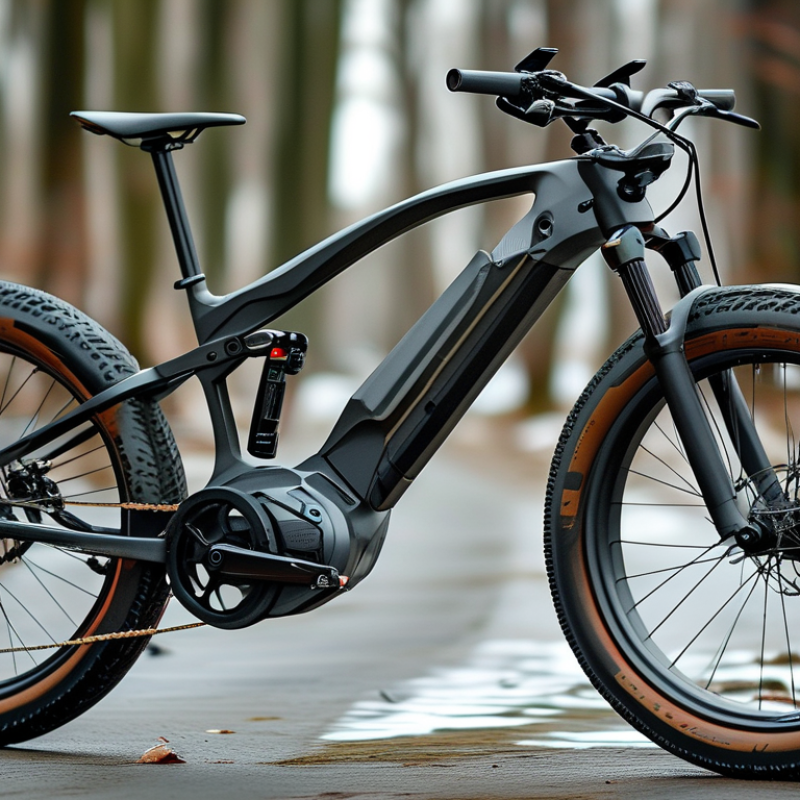
When considering power bikes, several key features should guide your choice. Battery life is crucial. Look for models that offer prolonged use without frequent recharges. A power bike with at least 50 miles of range is ideal for most riders. Additionally, the battery should be easily removable for charging and storage. A powerful motor enhances your ride significantly. Aim for a bike with at least 750 watts to tackle different terrains smoothly.
Another essential aspect is bike weight. Lighter bikes are easier to handle but may compromise durability. Also, consider frame material. Aluminum and carbon fiber provide strength while keeping weight low. The bike's gearing system affects your performance as well. A smoother shifting mechanism results in a better riding experience. Test various gears before making a purchase.
Brakes are often overlooked but are vital for safety. Hydraulic disc brakes offer precision stopping power in all weather conditions. Don’t forget to check the bike’s display. A clear, user-friendly interface can make your rides more enjoyable. Keep in mind that personal comfort varies, so test the bike first. Each ride should cater to your unique preferences. Balancing all these features will help you choose wisely. Always reflect on your specific needs, and don't rush into a decision.
Top Power Bike Brands to Watch in 2026
As we look ahead to 2026, the power bike market is set to evolve significantly. Several brands are already making waves with innovative designs and cutting-edge technology. These companies focus on enhancing performance and rider experience. They are not just about speed; comfort and safety are also priorities. Riders today seek bikes that offer adaptability for various terrains.
Several emerging brands focus on sustainability. These companies are integrating eco-friendly materials and energy-efficient technologies into their designs. However, the transition toward greener options raises questions about longevity and performance. Consumers remain cautious about how these changes may affect the riding experience. The balance between innovation and tradition is a critical issue for many riders.
Established players are responding to this demand by improving their offerings. They often emphasize quality and reliability. However, not all advancements are seamless; some models may face initial design flaws. Riders should take the time to research user reviews and industry feedback. This exploration can lead to informed choices that ensure a satisfying riding experience.
Comparative Analysis of Electric vs. Conventional Power Bikes
When considering the choice between electric and conventional power bikes, users must weigh their preferences carefully.
Electric power bikes offer convenience and ease of use, especially for urban commuting. They usually come equipped with
rechargeable batteries and an electric motor, requiring less physical effort from the rider. On the other hand, conventional
bikes depend solely on human power, offering an excellent workout and a deeper connection to the road. Riders often find
joy in their physical effort, and it can be a more rewarding experience.
Tip: Test ride both types before making a decision. This way, you can feel the differences firsthand.
You may start with an electric bike, but once you try a conventional option, you might find a new passion.
Operating costs are another factor to consider. Electric bikes typically require charging, which can add up over time.
Maintenance may include battery replacements or system checks, adding complexity. Conventional bikes usually need less
technical maintenance and can be repaired easily. However, they require regular care to keep them in good shape.
Tip: Look into local service options. Knowing where to get help for repairs can save you time and money.
You might discover that repair shops for conventional bikes are more accessible than those for electric models.
Sustainability and Eco-Friendliness of 2026 Power Bikes
As the demand for power bikes increases, sustainability and eco-friendliness are becoming critical factors for buyers in 2026. According to a recent market report, nearly 70% of consumers consider environmental impact when purchasing vehicles. This growing consciousness prompts manufacturers to innovate, focusing on cleaner technologies. Electric power bikes now dominate the market, boasting zero emissions and lower energy consumption compared to traditional alternatives.
However, challenges remain. The production of batteries, while essential for electric bikes, often involves unsustainable practices. Reports indicate that battery manufacturing can generate significant waste and pollution. It’s vital for buyers to research models with sustainable production methods. Prioritizing bikes made from recycled materials can also contribute to a greener future.
Tip: Always check the bike's eco-label. Some brands provide transparency about their sustainability efforts.
Maintaining your power bike plays a significant role in its eco-friendliness. Regular maintenance can extend the bike's lifespan and efficiency. Yet, many users neglect this aspect, leading to suboptimal performance. Research shows that a well-maintained electric bike can save users up to 40% more energy. Therefore, establishing a routine can significantly impact environmental benefits.
Tip: Schedule regular check-ups for your bike to ensure its longevity and efficiency.