The electric dirt bike market is rapidly evolving. According to recent reports, sales of electric off-road bikes are expected to grow by over 25% annually. This surge is driven by advancements in battery technology and an increasing demand for eco-friendly alternatives. Riders are shifting towards electric options for recreation and sport.
In 2026, buyers need to be aware of key trends shaping the electric dirt bike landscape. Innovations in lightweight materials and improved suspension systems are enhancing performance. However, as technology evolves, some manufacturers struggle with durability and maintenance issues. This complicates the buying decision for potential customers.
Understanding these trends is crucial for making informed choices. Some electric dirt bikes deliver impressive torque and speed, attracting enthusiasts. Meanwhile, safety features are becoming a priority, reflecting the industry's commitment to rider protection. Buyers should research thoroughly, as the variety of models can be overwhelming.
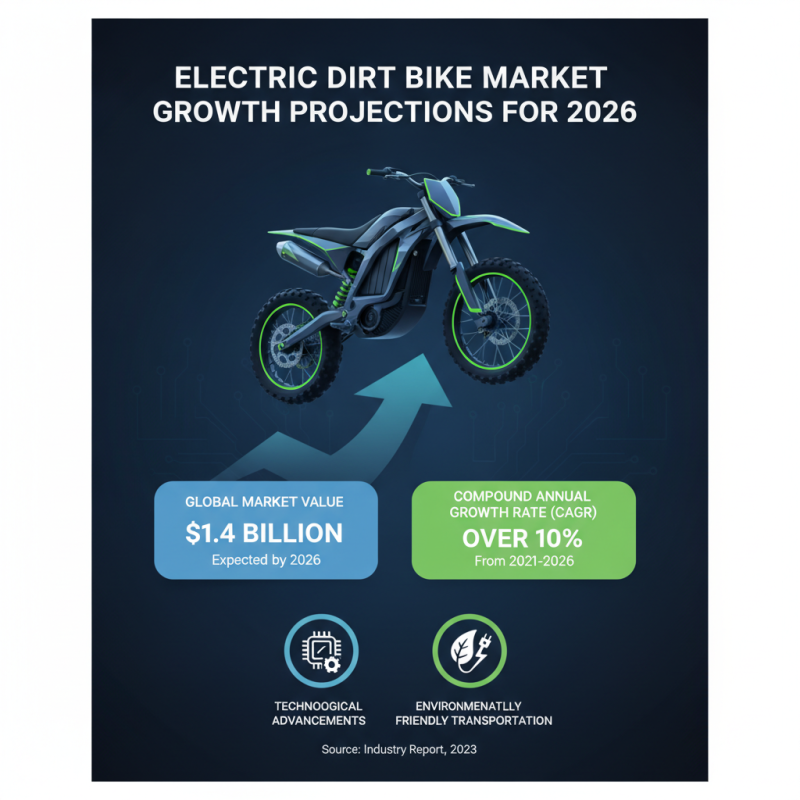
The electric dirt bike market is poised for significant growth by 2026. According to a recent report, the global electric dirt bike market is expected to reach $1.4 billion. This marks a compound annual growth rate (CAGR) of over 10% from 2021. Factors driving this growth include technological advancements and a shift toward environmentally friendly transportation.
Many riders are embracing electric alternatives. Improved battery technology is enhancing performance and extending range. Riders can now travel longer distances without worrying about recharging. In many regions, the demand for off-road electric vehicles is accelerating. This shift is changing the dynamics in recreational and competitive biking.
However, challenges remain in this evolving landscape. Issues like charging infrastructure and bike weight are still significant. Some riders may find electric models less powerful than traditional gas bikes. Finding the right balance between performance and sustainability is essential. Market players must reflect on these aspects to meet consumer expectations. Addressing these challenges will be crucial for sustained growth in the electric dirt bike sector by 2026.
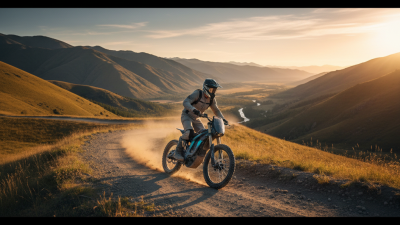
Electric dirt bikes are evolving rapidly. By 2026, they will incorporate advanced features. Battery technology is a significant area of innovation. New lithium-ion batteries are expected to increase range by over 30%. This change could allow riders to cover greater distances without recharging.
Lightweight materials are also gaining traction. Manufacturers are experimenting with carbon fiber and aluminum alloys. These materials can reduce weight by up to 15%. A lighter bike can enhance performance and handling, making it more enjoyable for users.
Smart technology is another exciting trend. Many electric dirt bikes will have built-in connectivity features. Riders could track performance metrics via apps. This integration could enhance safety and provide diagnostics. Data from industry reports indicates a 25% increase in consumer interest in smart features. These advancements reflect the demand for not just performance but also a connected riding experience.
| Feature | 2026 Trends | Innovations | Expected Impact |
|---|---|---|---|
| Battery Technology | Higher capacity and faster charging | Solid-state batteries, improved lithium-ion | Extended range and reduced downtime |
| Weight Reduction | Lighter frames and components | Use of carbon fiber and aluminum alloys | Improved handling and maneuverability |
| Smart Technology | Integration of AI and IoT | Smart displays and connectivity features | Enhanced user experience and data analytics |
| Sustainability | Eco-friendly materials and production | Recyclable components and sustainable sourcing | Reduced environmental impact |
| Performance Enhancements | Higher torque and power output | Brushless motors and advanced control systems | Improved off-road capabilities |
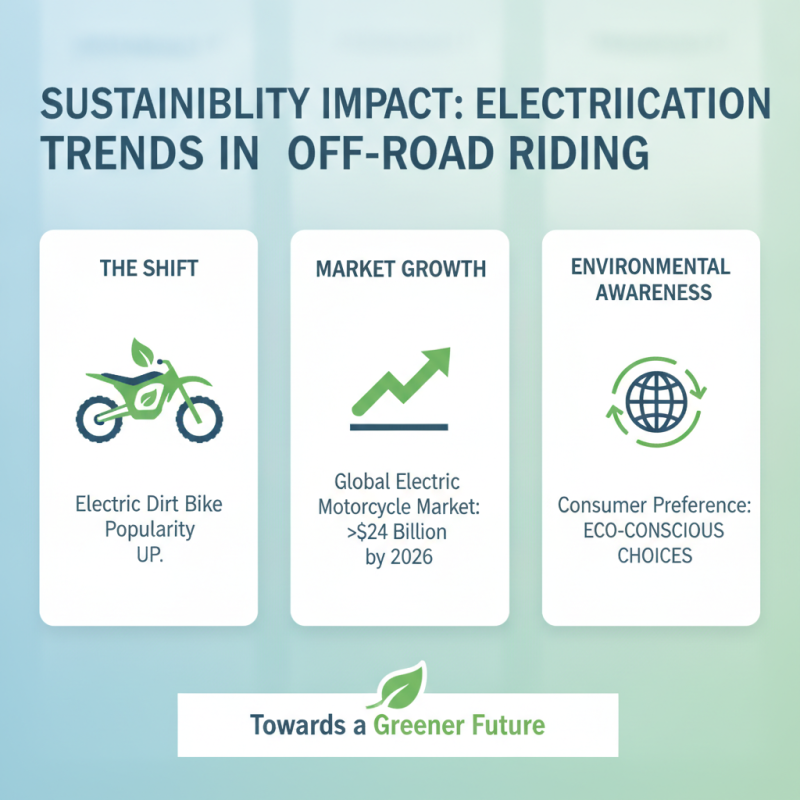
The electrification of off-road riding represents a significant trend towards sustainability. The popularity of electric dirt bikes is on the rise, with a projected increase in the global electric motorcycle market expected to reach over $24 billion by 2026, according to industry reports. This growth signals a shift in consumer preferences, reflecting a deeper awareness of environmental impacts.
Electric dirt bikes offer quieter rides and reduce greenhouse gas emissions compared to traditional gasoline models. Studies suggest that transitioning to electric options can decrease trail damage and local pollution. Riders can enjoy the thrill of off-roading while minimizing their carbon footprint. However, challenges persist, such as battery sustainability and charging infrastructure. Many current batteries are not recyclable, raising concerns about long-term environmental implications.
Manufacturers are pushing for more efficient battery technologies. Advanced lithium-ion batteries are becoming the standard, yet some are still producing waste during manufacturing. As consumers become well-informed, they demand cleaner technologies. Their feedback drives innovation, leading to better performance and sustainability in future models. The journey to fully sustainable electrification is ongoing, and it requires collective awareness and improvement in the industry.
The electric dirt bike market is rapidly evolving, with several brands driving key technological advancements. According to industry reports, the global electric dirt bike market is projected to reach $1.6 billion by 2026. This rapid growth is attributed to innovations in battery technology and improved motor efficiency. Companies are investing heavily in R&D, aiming to increase performance and reduce charging times.
Leading brands focus on enhancing their bikes' durability and lightweight materials. These improvements cater to both recreational riders and competitive athletes. As manufacturers adopt advanced designs, the riding experience is becoming smoother and more efficient. However, challenges remain in ensuring long-lasting battery life and managing environmental impacts. Riders often report battery performance drops under extreme conditions, highlighting the need for further innovation.
Specific trends include increased integration of smart technology. Many new models feature connectivity options that allow for real-time performance tracking. While this provides exciting possibilities, some consumers express concerns over data privacy. Additionally, the ability to customize riding modes is appealing. Yet, the complexity of options can overwhelm novice riders. Balancing technological advancements with user-friendly features remains a critical focus in the industry.
Consumer preferences are rapidly shaping the electric bike market. Recent surveys reveal key insights into what riders prioritize. Performance, battery life, and weight top the list. Many bikers seek lighter models for easier handling. Features like regenerative braking and adjustable power assist are gaining traction. Riders want versatile bikes that perform well on various terrains.
Tips: Focus on the bike’s weight. A lighter electric dirt bike enhances maneuverability. Consider your riding style when comparing features. Also, assess battery longevity. A longer-lasting battery increases ride time and enjoyment.
Surveys indicate that consumers are increasingly eco-conscious. Sustainable materials and manufacturing processes influence buying decisions. Riders favor companies that prioritize environmental impact. Price point remains essential, yet riders express willingness to pay more for quality and features. This trend reflects a shift toward valuing durability over mere affordability.
Tips: Think about your budget but don't compromise on quality. A higher investment can lead to better performance. Check for warranties and customer support; they reveal a brand's reliability and service commitment.
This chart illustrates the key factors that influence consumer preferences when purchasing electric dirt bikes, based on recent surveys. Battery life is the most important consideration, followed by weight and charge time.