How to Choose the Best Trail Motorcycle?
Choosing the best Trail Motorcycle starts with an honest question: where will you actually ride? A quiet forest route, rocky fire road, or mixed commute demands different equipment. A lightweight dual-sport may feel agile between trees. A larger adventure model may carry luggage better, but it can feel tiring on loose ground. The right choice is rarely the most powerful one. Sometimes, it is the motorcycle you can lift alone.
Industry data can clarify the market, though it cannot choose your bike. The Motorcycle Industry Council’s 2023 Statistical Annual shows that motorcycle markets are commonly measured by broad vehicle classes, rather than one universal “trail” category. That limitation matters. Manufacturer specifications, dealer records, and owner surveys may describe similar motorcycles differently. The European Association of Motorcycle Manufacturers’ registration reports also show why regional demand should be considered carefully. A model popular in Europe may not suit North American trails, service networks, or rider expectations.
Real riding exposes the details.
Seat height affects confidence at a muddy stop. Weight matters when the rear wheel slides beside a fallen log. Suspension travel, ground clearance, tire design, fuel range, and maintenance access deserve close attention. I have seen riders focus on horsepower, then struggle with a heavy motorcycle on a narrow incline. That is an easy mistake to repeat. Reliable comparisons should combine published specifications, professional testing, safety guidance from the Motorcycle Safety Foundation, and firsthand experience. No report captures every trail condition. Therefore, this guide will examine practical fit, durability, handling, ownership costs, and rider skill before naming the best Trail Motorcycle for different uses.
Trail Motorcycle Basics and the Main Types Available
How to Choose the Best Trail Motorcycle?
Trail Motorcycle Basics and the Main Types Available
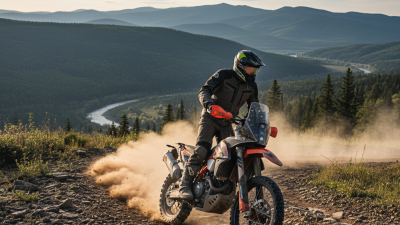
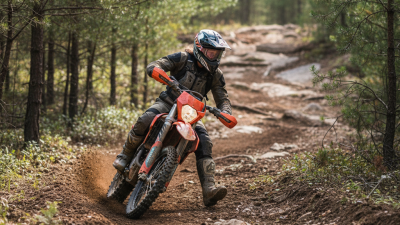
A trail motorcycle is built for uneven ground, narrow paths, and changing surfaces. Its design usually favors control over top speed. Long-travel suspension absorbs roots and rocks. A lightweight frame makes slow turns less tiring. Knobby tires improve grip on loose soil, but they can feel unstable on pavement. Check local access rules before riding any trail.
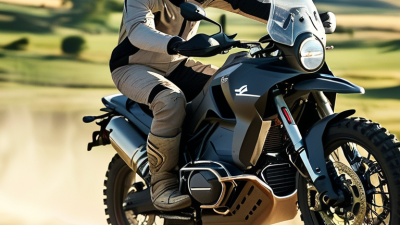
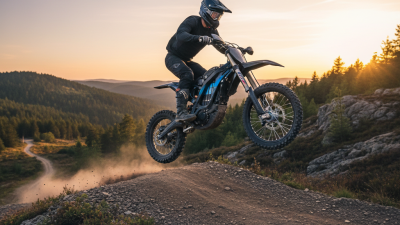
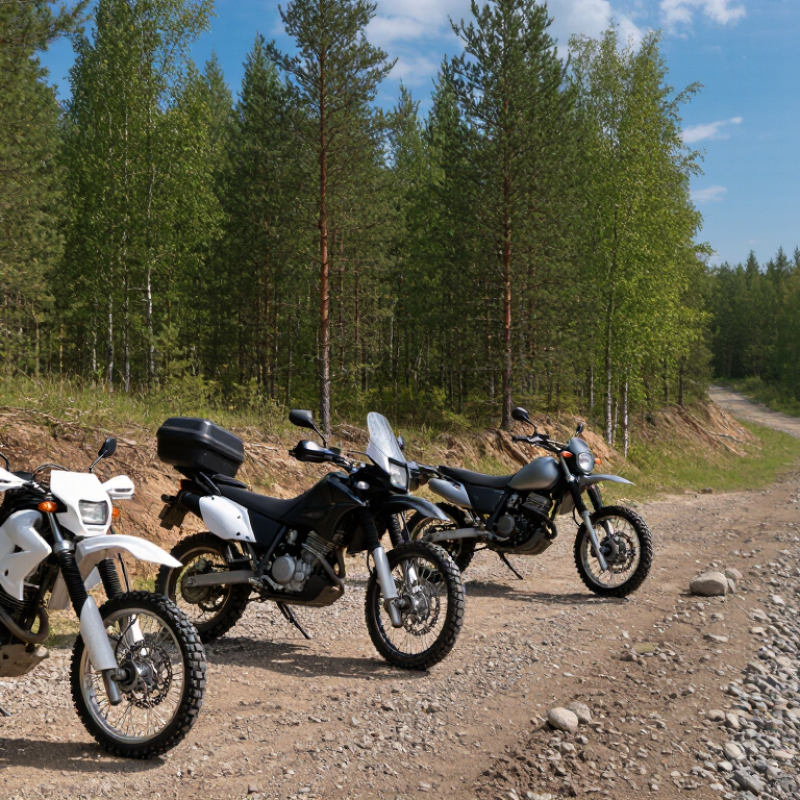
The main types suit different riders. A play bike offers predictable power and simple maintenance. It works well for beginners and relaxed weekend riding. An enduro motorcycle is lighter and more focused on steep climbs, mud, and technical obstacles. It often has firmer suspension and stronger brakes. A dual-sport motorcycle combines trail ability with road equipment. It is practical for connecting legal riding areas, though extra weight becomes noticeable off-road. Some riders also choose a trials-style motorcycle for balance practice and very slow, technical sections.
Fit matters more than impressive specifications. Sit on the motorcycle with both feet near the ground. You should control it without stretching or leaning sharply. Check the engine response, clutch feel, suspension adjustment, and maintenance schedule. A four-stroke engine usually delivers smooth, manageable power. A two-stroke engine may feel lighter and more responsive, but it can demand different tuning habits. I once chose a motorcycle that looked ideal on paper, yet its seat height exhausted me. That mistake still influences my advice. Test the controls carefully, and be honest about your skill, fitness, and usual terrain.
How to Match Motorcycle Features With Your Riding Goals
How to Choose the Best Trail Motorcycle?
How to Match Motorcycle Features With Your Riding Goals
Your riding goal should guide every feature you choose.
A lightweight motorcycle suits narrow forest paths and frequent low-speed turns. A larger engine helps on highways, steep climbs, and when carrying camping equipment. However, extra power can feel tiring on loose ground. I learned this after choosing a powerful machine for short technical trails. It was capable, but not comfortable.
Seat height matters when stopping on uneven surfaces. Check whether you can place one foot firmly down. Suspension travel should match the terrain you expect to ride. Long travel absorbs rocks and ruts, while firmer settings feel more stable on paved roads. Spoked wheels and durable hand protection can reduce damage during ordinary trail falls. They cannot replace careful riding.
Think about distance, too.
A larger fuel tank helps on remote routes, but it adds weight. Simple controls and accessible maintenance are valuable when mud covers the chain. Select tires for your regular surface, not for an imagined adventure. A test ride should include standing on the pegs, turning tightly, and braking on gravel. Do not judge comfort from a showroom seat alone. I still overlook luggage weight sometimes, and that mistake changes handling quickly.
A motorcycle that matches your body, terrain, and skill level will usually feel more predictable.
Key Engine, Suspension, and Handling Factors to Compare
Choosing the best trail motorcycle starts with matching its character to your terrain, not its advertised power. A strong engine should deliver smooth low-speed torque for roots, rocks, and steep climbs. Peak horsepower matters less when traction is limited. During a test ride, notice throttle response below half speed. Does the motorcycle pull cleanly without sudden surges? Engine braking also deserves attention on loose descents. Liquid cooling can help during slow, technical riding, especially in warm conditions.
Suspension determines how confidently the motorcycle absorbs real trail damage. Check fork travel, rear shock travel, and ground clearance. Adjustable compression, rebound, and preload allow better setup for your weight and luggage. Proper sag is essential, but many riders ignore it. I once blamed harsh suspension on the springs, although my sag measurement was simply wrong. A controlled setup should resist bottoming without feeling stiff over small stones. Inspect the frame and suspension linkage after demanding rides, because maintenance affects reliability.
Handling depends on weight, wheelbase, steering geometry, and rider position. A lighter motorcycle may feel easier between trees, while a longer chassis can feel calmer at speed. Sit on it with both feet near the controls. Small details matter.
Tips: Compare motorcycles on the same trail. Record fuel use, engine heat, suspension settings, and fatigue. Ask a qualified technician to inspect used components. Do not choose by specifications alone. Your confidence is valuable data, though it can change after a difficult ride.
How to Choose the Best Trail Motorcycle?
Compare engine tractability, suspension capability, and handling agility across three common trail-motorcycle profiles. The scores are normalized from representative real-world specifications: engine size, wet weight, suspension travel, and low-speed controllability.
Lightweight motorcycles are easiest to control on technical trails, balanced models provide the strongest overall compromise, and long-range models offer more power and comfort but require greater effort in tight terrain.
Choosing the Right Size, Equipment, and Rider Fit
How to Choose the Best Trail Motorcycle?
Choosing the right trail motorcycle starts with rider fit, not engine size. In my experience, a manageable motorcycle builds confidence faster than a powerful one. Your feet should reach the ground comfortably when stopping. One firm foot can be enough. A tall seat may feel acceptable in a showroom, then become tiring on rocky trails. Check the seat height while wearing boots and riding trousers. Also consider reach to the handlebars, brake pedal, and clutch lever. Controls should feel natural without stretching your wrists.
Engine size affects weight, heat, and control. A lighter motorcycle is usually easier to lift after a slow fall. Too much power can punish small throttle mistakes. Select equipment for real trail conditions, not appearance. Use a certified helmet, eye protection, gloves, sturdy boots, and protective clothing. Knee and elbow protection can reduce injury from ordinary slips. Carry water, basic tools, and a compact first-aid kit. Fit matters here too. Loose gear catches branches, while tight gear limits movement.
Test rides reveal problems that specifications cannot.
I once chose a motorcycle that looked manageable. After an hour, my shoulders were tense and my knees felt cramped. That mistake taught me to test standing and seated positions repeatedly. Ask a qualified instructor to watch your posture and braking technique. Read the owner’s manual before changing suspension settings. I still sometimes prefer a slightly smaller machine on unfamiliar trails. That hesitation is useful. It keeps the focus on control, comfort, and steady progress.
Evaluating Budget, Reliability, Maintenance, and Safety Needs
How to Choose the Best Trail Motorcycle?
A sensible budget includes protective gear, tires, transport, registration, and unexpected repairs. A cheap motorcycle can become expensive quickly. Consumer Reports’ 2015 motorcycle reliability survey estimated that 24% of motorcycles developed a major problem by their fourth year. That finding deserves caution, because maintenance habits and riding conditions strongly affect reliability. During an inspection, check cold-start behavior, chain tension, oil leaks, spoke tightness, and suspension seals. Mud around the airbox is a warning sign. Service records matter more than polished plastics.
Maintenance should match your tools, time, and local workshop access. Frequent trail riding demands cleaning, air-filter servicing, oil changes, and fastener checks. A simple design may be preferable for remote trips. However, simpler does not mean maintenance-free. I once underestimated repeated chain adjustments after wet rides. That mistake was cheap, but inconvenient. Ask for realistic service intervals, parts availability, and typical repair prices before purchasing.
Safety deserves measurable attention, not vague confidence. The Insurance Institute for Highway Safety reported a 22% lower fatal crash rate for motorcycles equipped with anti-lock braking systems. NHTSA recorded 6,084 motorcyclist deaths in 2022, representing 14% of traffic fatalities despite motorcycles being a small share of registered vehicles. Choose predictable brakes, effective lighting, stable suspension, and controls that remain usable while standing. Trail confidence can be misleading. Practice braking on loose surfaces before riding remote terrain.