Top Off Road Motorcycle Tips for Beginners and Enthusiasts?
Off road motorcycle riding is an exhilarating adventure. It combines skills, technique, and knowledge of the terrain. Expert rider and coach, Sarah Thompson, once said, “Mastering an off road motorcycle requires patience and practice.” This statement rings true for both beginners and seasoned enthusiasts.
Entering the off road motorcycle world can be daunting. Understanding your bike and its capabilities is vital. Start with the basics. Learn to control your motorcycle on different surfaces. Experience is gained from practice, but training from reliable sources can significantly boost your confidence.
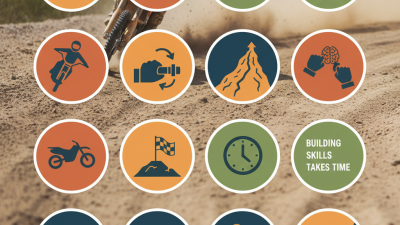
Every trail offers unique challenges. At times, you might find yourself struggling with balance or navigation. These moments of doubt are essential for growth. Embrace these challenges. Each mistake is a lesson. They will shape you into a better rider. While the thrill of the ride is rewarding, it’s crucial to approach each journey with a mindset of learning.
Essential Gear for Off-Road Motorcycling: What You Need to Get Started
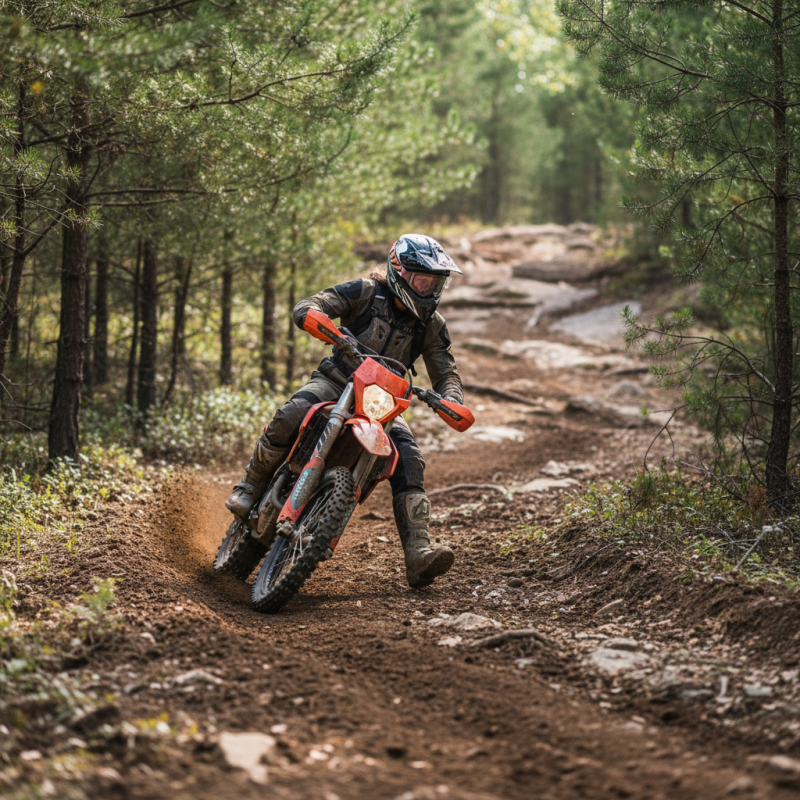
When starting your off-road motorcycling journey, having the right gear is crucial. A properly fitting helmet is a must. Look for a full-face model that meets safety standards. It protects not only your head but also your face from debris. Additionally, goggles are essential for visibility. Dust and dirt can obscure your vision, making goggles a simple but vital investment.
Next, protective clothing is key. A sturdy pair of off-road pants and a breathable jersey will keep you comfortable. These materials should be durable yet flexible. They should allow freedom of movement while protecting against scrapes and falls. Always wear gloves; they provide grip and guard against injuries. An armored jacket adds an extra layer of safety for your upper body.
Don’t overlook protective boots. Proper off-road boots should cover your ankles and have non-slip soles. They help prevent injuries and provide essential grip on the bike. It's also wise to carry basic tools and a first-aid kit. Unexpected issues can arise; being prepared is part of the adventure. Reflect on your experiences and adjust your gear choices as you grow as a rider.
Essential Gear for Off-Road Motorcycling
Understanding Different Types of Off-Road Motorcycles and Their Uses
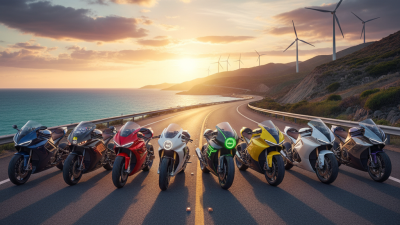
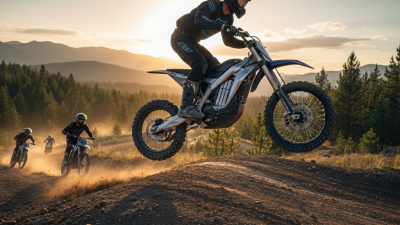
When exploring off-road motorcycles, understanding their different types is essential. Dirt bikes are lightweight. They’re designed for tackling rugged trails and racing through dirt tracks. Trail bikes are beginner-friendly and come with a broader seat for comfort. They excel in various terrains, making them versatile for new riders.
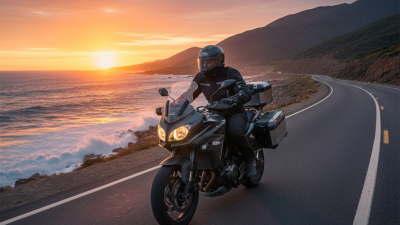
For enthusiasts, enduro motorcycles blend speed and durability. They often feature enhanced suspension systems to handle rough landscapes. Adventure bikes, on the other hand, are great for long-distance travel. They’re equipped with larger fuel tanks and comfortable seating, enabling adventures that stretch for miles. Each type serves a unique purpose, catering to different riding styles.
**Tips:** Always wear protective gear when riding. A helmet, gloves, and boots can prevent serious injuries. Practice in a safe area to build confidence. Start with flat terrains before tackling steep hills. Regularly check your motorcycle’s tire pressure and brakes for safety. Off-road riding can be thrilling, but it requires caution. Overestimating your skills can lead to accidents. Reflect on your progress and learn from each ride to improve.
Top Off Road Motorcycle Tips for Beginners and Enthusiasts
| Type of Motorcycle |
Best For |
Engine Size |
Weight |
Suspension Type |
| Dirt Bikes |
Trail Riding |
125cc - 450cc |
100 - 250 lbs |
Long Travel |
| Dual Sport Bikes |
Street & Off-Road |
250cc - 650cc |
300 - 400 lbs |
Moderate |
| Adventure Bikes |
Long-Distance Touring |
600cc - 1200cc |
400 - 600 lbs |
High Travel |
| Trials Bikes |
Obstacle Courses |
125cc - 300cc |
150 - 250 lbs |
Minimal |
Basic Riding Techniques for Off-Road Terrain: Tips for Beginners
When riding off-road, balancing is key. Keep your weight centered. Lean slightly forward on steep inclines. This position helps you maintain control. Your feet should hover near the pegs, ready to react. Practice this technique in a safe area. You'll find it becomes instinctive over time.
Braking on rough terrain can be tricky. Use both front and rear brakes smoothly. Sudden braking can cause skidding. On descents, gently apply the rear brake. This helps maintain speed and balance. Expect challenges at first; each ride teaches you valuable lessons. Adjust your techniques as you gain more experience.
Look ahead, not just down. Observing the trail helps you anticipate obstacles. This foresight aids in planning your riding path. Off-road riding may not feel natural initially. Mistakes are part of the learning curve. Embrace each mishap as a chance to learn. Building confidence takes time; enjoy the journey, and remember, every expert was once a beginner.
Safety Practices and Maintenance for Off-Road Motorcyclists
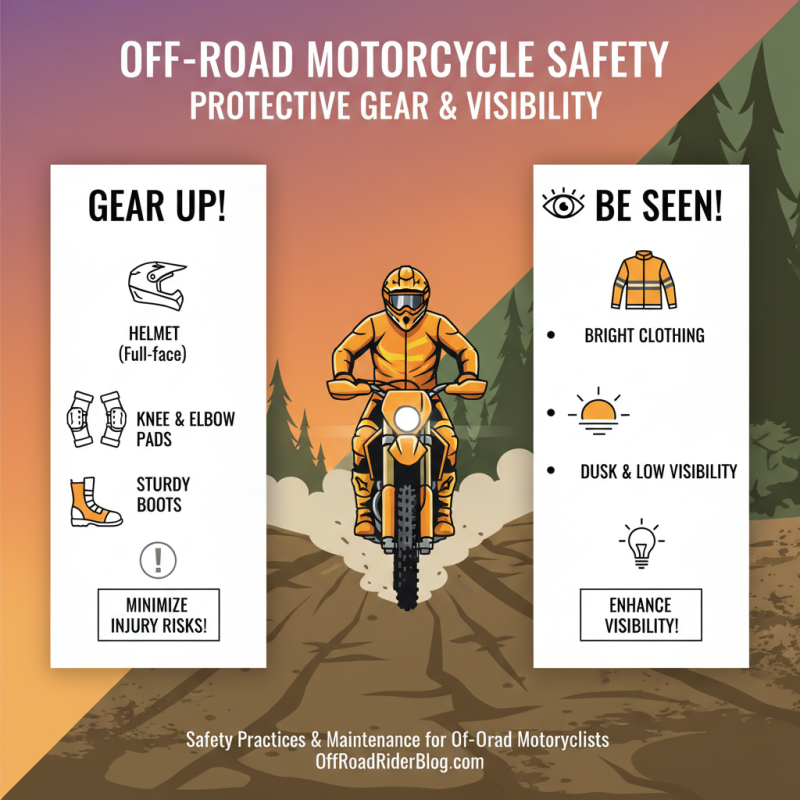
Safety is paramount when off-roading. Wear a proper helmet, knee and elbow pads, and sturdy boots. Visibility can be low, especially at dusk. Consider wearing bright gear to enhance visibility. Proper protective gear minimizes injury risks in case of falls.
Regular maintenance is essential for your off-road motorcycle. Check tire pressure before each ride. Inspect suspension components and brakes frequently. Clean air filters after every few rides. Neglecting these checks can lead to unexpected breakdowns or accidents. Getting hands dirty may feel inconvenient, but it’s crucial for safety.
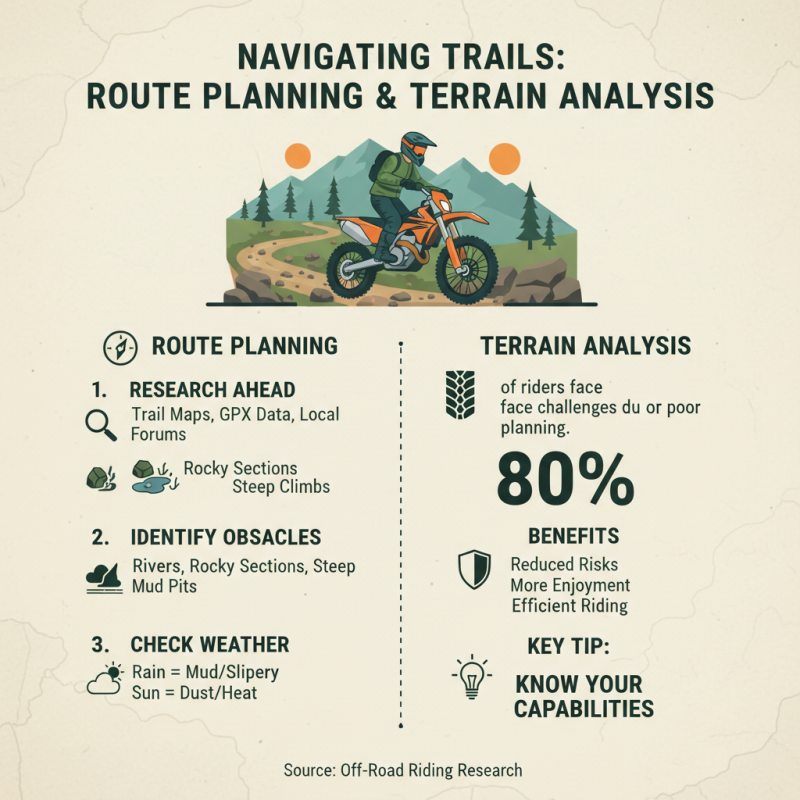
Riding off-road offers thrills, yet challenges await the unprepared. Familiarize yourself with the terrain. Practice basic skills in a safe area before venturing into rough trails. Many beginners overlook the importance of practicing techniques like cornering and braking effectively. Keeping realistic expectations can guide your progress and enhance your riding experience. Remember, every rider encounters difficulties; learning from them is key.