China Best Electric Bike Manufacturers for Global Buyers
China is a major sourcing destination for Electric Bikes, but a strong supplier is more than a polished catalogue. Global buyers need to look closely at the product and the people behind it. Which motor and battery options are available? How are frame welds, wiring, and final assembly checked? These are practical questions, not minor details. Small things matter.
This guide introduces Chinese manufacturers for international buyers and explains what to compare before requesting a quotation. It considers product range, customization, production capability, quality-control processes, communication, and after-sales support. Ask for clear specifications, relevant test records, warranty terms, and examples of similar export projects. Then review a sample under realistic riding conditions. A factory visit or independent inspection may also help verify what a sales presentation cannot show. A catalogue is not proof.
There are trade-offs. A lower quoted price may mean fewer options or different service expectations, while a larger supplier may not suit a small first order. No shortlist is perfect. Even a careful review can miss a capable manufacturer whose best work is not visible online. The goal here is not to declare one factory right for every buyer. It is to offer a grounded starting point, so purchasing teams can ask sharper questions, check claims, and choose a partner that fits their market, budget, and support needs.
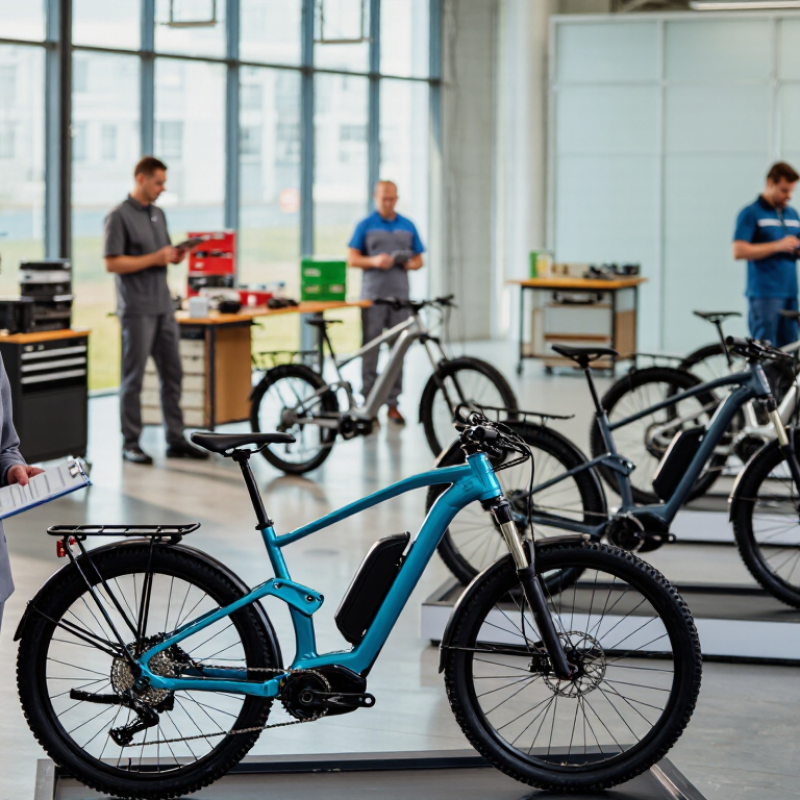
Overview of China’s Electric Bike Manufacturing Industry
China’s electric bike manufacturing industry combines component production, assembly, and export services. In several manufacturing regions, frame makers, motor suppliers, battery producers, and electronics firms operate within established supply networks. This proximity can shorten sourcing time and support custom specifications. Factories may offer OEM or ODM production, from commuter models to cargo-focused designs. Capabilities differ widely, though; a polished showroom does not prove consistent production quality.
For global buyers, evaluate the complete system, not only the motor’s rated power. Ask how the supplier verifies battery cells, wiring, braking performance, and water resistance. Request sample units, inspection records, and clear specifications for the exact configuration being quoted. Production capacity is useful, but repeatability matters more. Requirements vary by destination, so confirm applicable product standards before placing a bulk order. A factory visit can reveal workflow and testing equipment, yet it cannot replace independent checks. Documentation may look complete while leaving small details unclear. That deserves a second look.
Tips: Compare samples against the final purchase specification. Confirm who handles warranty parts and technical questions. Check whether test results match the intended market.
Key Types of Electric Bike Manufacturers in China
China’s electric bike manufacturers often fall into several practical groups. OEM factories build to a buyer’s specifications, such as a chosen frame, motor, and display. ODM manufacturers offer existing designs that buyers can adapt with selected colors or components. Some factories handle frame welding and final assembly, while specialist suppliers focus on batteries, motors, or control systems. Export-oriented manufacturers may coordinate multiple suppliers and manage packaging and shipping. Their role can be useful, but it may make production details less visible.
Tips: Ask who makes each major component. Request a sample bike, a written specification sheet, and clear details about battery capacity, motor rating, and warranty terms. Check how the factory tests brakes, wiring, and water resistance. Small details matter.
A factory’s category alone does not prove its quality. Compare the sample with the quoted specification, and ask how changes are documented before production. A polished catalog can hide gaps in testing or after-sales support. I would avoid assuming that a large facility handles every process in-house; verify which steps are outsourced. This can take extra time. It is still worth doing.
Products and Technologies Offered by Chinese Manufacturers
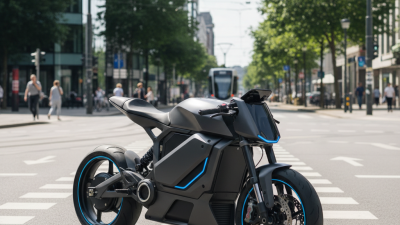
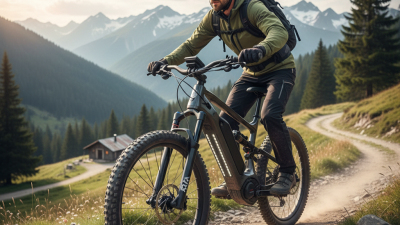
Chinese electric bike manufacturers supply several product types for different riding needs. Urban commuters often use step-through frames, integrated lights, and rear racks. Folding models prioritize compact hinges and smaller wheels for storage. Cargo bikes may include extended frames, sturdy kickstands, and reinforced loading areas. For rougher routes, some manufacturers offer suspension forks and wider tires.
Drive systems range from hub motors to mid-drive units, with power and riding feel varying by configuration. Battery options commonly pair lithium-ion cells with a battery management system that monitors temperature and charge levels. Displays may show speed, distance, assist mode, and remaining charge. Some models add torque sensors, which adjust assistance to the rider’s pressure on the pedals.
Useful details matter. Ask for the battery capacity, charger specifications, brake type, and component test records—not only the advertised range. Range can change sharply with hills, rider weight, temperature, and tire pressure.
One point is easy to miss: more features do not always mean easier maintenance. Request clear service instructions and spare-part availability before comparing offers. A neat specification sheet is helpful, but it cannot replace checking the finished bike and its documentation.
How Global Buyers Can Evaluate Electric Bike Suppliers
China Best Electric Bike Manufacturers for Global Buyers
How Global Buyers Can Evaluate Electric Bike Suppliers
The International Energy Agency’s Global EV Outlook 2024 reports nearly 10 million electric two- and three-wheelers sold worldwide in 2023, around 30% more than in 2022.
Growing demand makes supplier checks essential. Ask whether the factory builds key components in-house or sources them from subcontractors. Verify capacity against actual production records, not just a polished showroom. A factory visit can reveal how workers inspect welds, wiring, and final assembly.
Request sample bikes and test them on the routes your customers will use. Check braking on wet pavement, battery range under load, and how connectors resist dust and water. Ask for test reports, battery-cell traceability, warranty terms, and a written schedule for spare parts. Confirm that the documents match the exact model and configuration you plan to order. Small details matter.
A low sample price proves little. Compare several suppliers using the same checklist, then review defects and delivery delays from trial orders. Speak directly with the technical team, not only the sales contact. Some buyers overlook after-sales support until a shipment arrives. That is an expensive lesson. Supplier claims still need independent verification; even careful audits cannot predict every production problem.
Export Standards, Logistics, and After-Sales Support
For global buyers, choosing an electric bike manufacturer means checking more than the frame and motor. Ask for model-specific test reports, conformity documents, battery specifications, and clear labeling before placing an order. Requirements vary by destination, so confirm them with local import specialists rather than relying on a generic certificate. Small details matter. A serial-number mismatch between the bike, battery, and paperwork can slow a shipment or complicate warranty claims.
Logistics need equal attention. UNCTAD’s Review of Maritime Transport 2024 reports that over 80% of world trade by volume moves by sea. For e-bikes, confirm battery classification, packaging, and carrier acceptance before booking; lithium-battery shipping rules can differ by route and transport mode. The IEA’s Global EV Outlook 2024 estimates that electric two- and three-wheeler sales reached about 10 million in 2023, with most sales in China. That scale makes dependable export processes increasingly important, but it does not guarantee smooth delivery. A neat document folder can still hide missing details.
After-sales support should be tested before purchase, not assumed. Request a parts list, repair instructions, response-time targets, and a plan for supplying items such as brake pads, displays, and controllers. Clarify who pays for replacement parts and freight when a claim is accepted. Keep some uncertainty in the process: written promises are useful, but real response times may vary during peak seasons. A small sample order can reveal gaps before a larger shipment does.