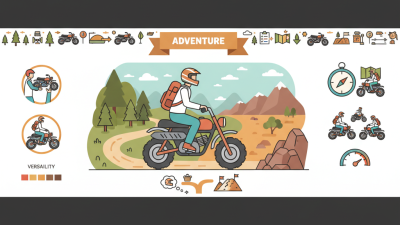
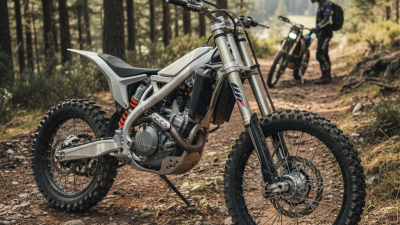
Why Buy an Enduro Motorcycle for Your Business?
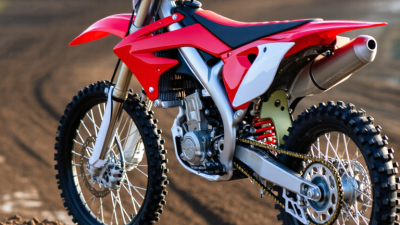
For businesses working beyond paved roads, an Enduro Motorcycle can offer practical access to remote sites, wooded trails, and uneven ground. A compact machine may reach places where a truck is awkward or slow, helping field teams inspect equipment, check routes, or carry essential tools. The advantage is specific. It depends on terrain, workload, rider skill, and how often the motorcycle will be used.
There are trade-offs. Fuel, protective gear, servicing, storage, and staff training all affect the real cost of ownership. A muddy track can turn a quick inspection into a tiring ride, and a motorcycle may carry far less than a utility vehicle. Not always. Before buying, compare models by engine size, suspension, load limits, parts availability, and maintenance support—not just the purchase price. Ask local dealers about service intervals and replacement parts, then check applicable registration, insurance, and workplace requirements in your area. A test ride on representative terrain can reveal more than a polished brochure. It may also show that your team needs a different vehicle. That is worth admitting. A careful purchase can improve access and flexibility, but only when the Enduro Motorcycle fits the actual work, the riders, and the operating budget.
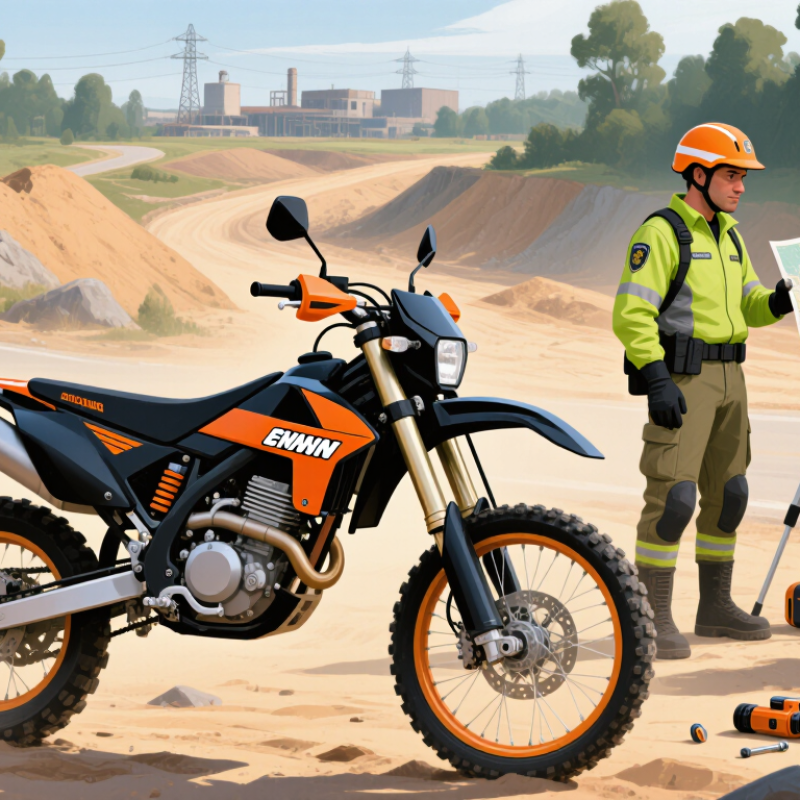
Define Business Use Cases: Rentals, Training, Tours, and Field Operations
An enduro motorcycle can serve several business models, but each needs a distinct operating plan. Rentals suit customers who want a capable bike without buying one. Budget for frequent tire changes, protective gear, pre-ride inspections, and downtime after damage. Training programs need predictable handling and adjustable setups, plus a marked practice area. That matters. A beginner struggling with a tall seat needs coaching, not more engine power.
Guided tours sell access and local knowledge. Plan routes around rider ability, fuel range, weather, and recovery options; one stalled bike can delay the whole group. Field operations may value durable suspension and nimble handling on rough access roads. Yet payload, service intervals, and safe transport matter more than sporty specifications. I would not assume every interested rider becomes a paying customer. Run a small pilot first.
The market context is encouraging, but it is not enduro-specific. The Outdoor Industry Association’s 2024 Outdoor Participation Trends Report counted 175.8 million U.S. outdoor participants in 2023. The Bureau of Economic Analysis reported that outdoor recreation contributed $639.5 billion in U.S. value added that year. These figures show broad participation and economic scale, not guaranteed demand for motorcycle rentals or tours. Track utilization, repair costs, repeat bookings, and instructor time across a full season. Some numbers will disappoint. That is useful: adjust the offer before expanding the fleet.
Select Fleet Models Using FIM EnduroGP E1, E2, and E3 Classifications
Why Buy an Enduro Motorcycle for Your Business?
Select Fleet Models Using FIM EnduroGP E1, E2, and E3 Classifications
Choosing fleet motorcycles by engine class gives buyers a useful starting point. FIM EnduroGP groups E1, E2, and E3 by engine capacity and type. Exact limits can change, so check the current regulations before ordering. These classes describe competition categories, not a guarantee of suitability for commercial work.
E1 generally covers smaller-capacity machines, which may suit lighter duties and riders who value manageable power. E2 spans middle capacities, offering a practical comparison point for mixed terrain and varied workloads. E3 covers larger-capacity engines, which can provide stronger performance but may demand more fuel, maintenance, and rider control.
Test each option on the surfaces your team actually uses. A muddy access track feels different from a dry training loop.
Look beyond the class label. Compare service intervals, parts availability, seat height, carrying needs, and the cost of routine repairs. Ask experienced riders to assess handling with work gear fitted. Keep the fleet consistent where possible; familiar controls can simplify training and upkeep. Still, one model rarely suits every rider. That part is easy to underestimate. Review local operating conditions and the latest technical specifications before making a purchase.
Compare 250 cc and 450 cc Models by OEM Weight and Service Data
Why Buy an Enduro Motorcycle for Your Business?
For a business, engine size matters less than the work a motorcycle must do each day. A 250 cc enduro may be easier to maneuver through tight trails or around a worksite. A 450 cc model can offer stronger acceleration under load, but its extra power may not improve every task. Check each model’s OEM-published weight, and confirm whether it means dry, curb, or ready-to-ride weight. Definitions differ. A few kilograms can affect loading, transport, and rider fatigue over a long shift.
Service data deserves the same attention as engine output. Compare the manufacturer’s recommended oil-change intervals, valve inspection schedule, oil capacity, and air-filter maintenance requirements. Dusty routes can make frequent filter cleaning essential, even when the manual lists longer intervals for normal conditions. That matters. Parts availability and service access can also affect downtime, so ask local technicians about realistic turnaround times. Specifications alone do not tell the whole story.
A simple comparison sheet can help: record weight, scheduled service tasks, and estimated annual labor for each candidate. Keep the riding conditions consistent when comparing figures. I might be tempted to choose the lighter bike immediately, but a heavier model could suit repeated high-load work better. Not always. Verify the exact model-year manual before budgeting; intervals and equipment can change.
Why Buy an Enduro Motorcycle for Your Business? – Compare 250 cc and 450 cc Models by OEM Weight and Service Data
| Comparison dimension |
250 cc four-stroke enduro |
450 cc four-stroke enduro |
| Typical engine displacement |
Approximately 249 cc |
Approximately 449 cc |
| Representative OEM-declared mass |
About 105–112 kg (231–247 lb), commonly stated without fuel |
About 106–114 kg (234–251 lb), commonly stated without fuel |
| Weight comparison note |
Published figures depend on model year and what is included. Compare the same measurement basis—such as weight without fuel or ready-to-ride weight—before choosing a fleet model. |
| Typical fuel-tank capacity |
Approximately 8–9 L (2.1–2.4 US gal) |
Approximately 8–9 L (2.1–2.4 US gal) |
| Engine character for business use |
Generally delivers power progressively and can be easier to manage on technical routes or during long training days. |
Generally offers stronger low- and mid-range drive, which can suit faster routes or heavier loads when the rider has suitable experience. |
| Indicative competition-use oil service |
Many competition enduro schedules call for frequent oil and filter attention, often around 10–15 engine hours. |
Many competition enduro schedules call for similarly frequent oil and filter attention, often around 10–15 engine hours. |
| Air-filter care |
Inspect after dusty rides and clean or replace as required. In dusty commercial operation, filter care may be needed after every ride. |
| Valve-clearance checks |
The interval is model- and use-dependent; competition schedules may specify checks at intervals measured in tens of engine hours. Follow the exact service manual and check sooner if symptoms occur. |
| Potential fleet advantage |
May suit mixed-skill teams, technical terrain, and operations where predictable handling is a priority. |
May suit experienced riders and routes where additional engine performance is useful. |
| Ownership planning |
Budget for engine-hour tracking, regular filter and oil service, wear items, and inspection time. Actual service intervals and costs vary by model, riding conditions, and OEM requirements. |
| Data note: These are representative ranges for modern four-stroke competition enduro motorcycles, not specifications for a single model. OEM weight conventions and maintenance schedules differ; verify the current model-year specification sheet and service manual before purchase. |
Estimate Fleet Costs from OEM Service Intervals, Parts, and Utilization
Why Buy an Enduro Motorcycle for Your Business?
An enduro motorcycle can suit work that involves rough tracks, remote sites, or narrow access roads. But purchase price alone will not tell you whether it fits your fleet budget. Build an estimate around the manufacturer’s service schedule, expected parts use, and hours or miles ridden. OEM intervals provide a useful baseline, not a promise: dust, mud, heavy loads, and frequent low-speed riding can bring maintenance forward.
Start with the service manual. List scheduled inspections and replacements, then price the required fluids, filters, brake components, tires, and drivetrain parts. Estimate annual utilization from real work plans, not best-case assumptions. A bike used for short, demanding site visits may need attention sooner than one covering steady distance on firm trails. Include downtime, labor, and a small parts buffer. The estimate may still be imperfect; actual wear varies, and that is worth revisiting after the first season.
Tips: Record hours, distance, terrain, and parts replaced after each service. Compare those records with OEM intervals every few months. Keep common consumables on hand if delays affect operations, but avoid overstocking parts that rarely wear. Small details matter: a tire used on rocky ground may not last as long as your spreadsheet expects. Track the difference, then adjust the fleet estimate.
Check Local Road Rules, Noise Limits, and Competition Homologation Standards
An enduro motorcycle can support guided rides, skills training, or work across rough private land. Before buying, check whether the machine can be registered for the roads your business actually uses. Rules differ by location and may cover lighting, mirrors, tires, emissions, insurance, and inspections. A short link between trail sections can change the paperwork required. Ask the local transport authority or a qualified inspector to confirm requirements in writing.
Noise limits deserve equal attention. Check both the permitted sound level and the testing method; distance, engine speed, and site conditions can affect a reading. A bike that seems quiet in a showroom may sound very different beside a village or campsite. Keep the exhaust specification and service records. Small details matter.
If you plan to enter organized events, confirm the competition’s homologation standards before purchasing. Event rules may specify an approved vehicle category, safety equipment, or documents proving compliance. Road approval does not automatically mean competition approval. Request the current rulebook from the organizer, then compare it with the exact model year and configuration being offered. Keep copies of responses and inspection records. Requirements can change, and I would not rely on a seller’s verbal assurance alone. Check twice. A little less convenient, perhaps—but fewer surprises when the season starts.
Why Buy an Enduro Motorcycle for Your Business?
Check Local Road Rules, Noise Limits, and Competition Homologation Standards
NIOSH recommends limiting occupational noise exposure to 85 dBA over 8 hours; its guidance uses a 3 dB exchange rate, so each 3 dB increase halves the recommended exposure time. This is a worker-exposure benchmark, not a motorcycle exhaust-noise limit. Before purchasing, verify local road-registration rules, applicable vehicle noise-test limits, and the homologation requirements of the intended competition.