Leave Your Message
Choosing an Automatic Motocross Bike for global riding requires more than comparing engine size or showroom appearance. Buyers must examine transmission response, suspension travel, ground clearance, braking feel, service access, and replacement-part availability. A bike that performs beautifully on dry soil may feel unpredictable on wet clay. That difference matters.
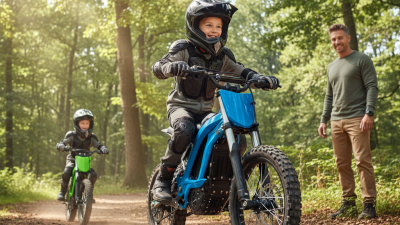
Motocross champion and riding coach Gary Jones has often emphasized, “The best bike is the one that lets you ride longer.” This principle suits automatic models, especially for newer riders and families seeking smoother control. Automatic systems can reduce clutch workload, helping riders focus on body position, throttle control, and safe line selection. Still, no gearbox removes the need for training.
This guide reviews leading automatic motocross options for international buyers. It considers electric and combustion-powered designs, rider height, battery range, fuel access, charging conditions, maintenance networks, and local safety requirements. Some models offer impressive acceleration but limited dealer support. Others feel less dramatic yet remain easier to maintain.
That trade-off deserves attention.
Our evaluation uses practical riding priorities, not marketing language. We look at track behavior, cold starts, heat management, suspension adjustment, and real transport needs. Availability can change quickly across regions. Specifications may also vary between markets. Readers should verify certification, warranty coverage, import rules, and replacement-part support before purchasing. The ideal Automatic Motocross Bike is not always the fastest machine. Sometimes, it is the one that starts reliably, fits the rider, and can be supported after the first hard landing.
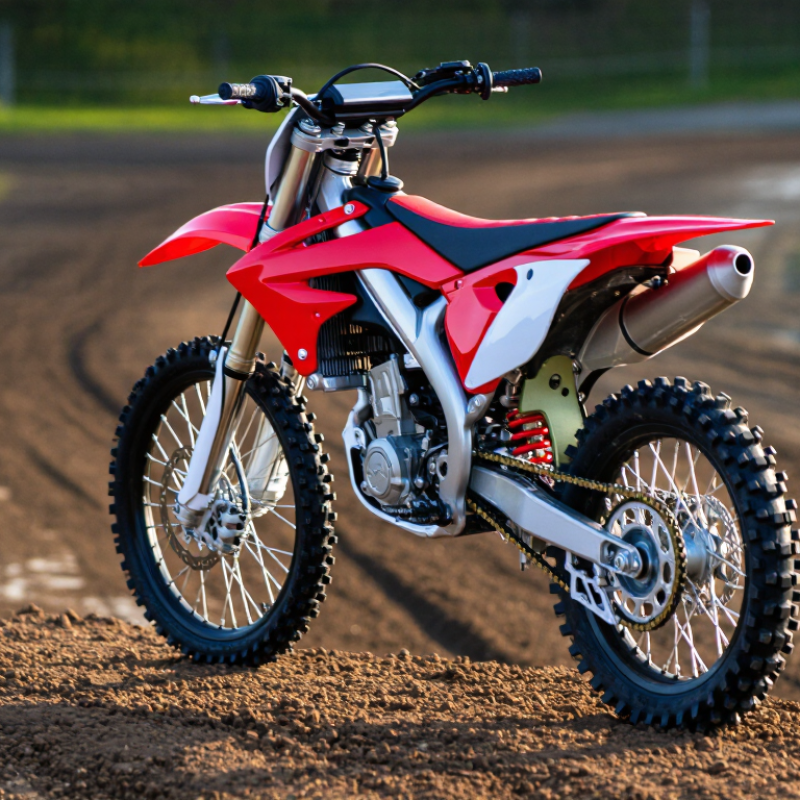
Top Automatic Motocross Bikes for Global Buyers
Automatic Motocross Defined: Electric, CVT, and Semi-Automatic Systems
Automatic motocross bikes remove clutch work, but they do not remove skill. Electric systems deliver instant torque through a sealed motor and reduction drive. They feel smooth on a muddy start line. The International Energy Agency reported that lithium-ion battery prices fell sharply between 2010 and 2023. This supports wider electric adoption, although battery weight still matters on jumps and tight turns.
CVT systems use pulleys and a belt to adjust power continuously. They suit riders who want steady acceleration without manual shifting. Heat management remains important. A long sand section can expose weak cooling quickly. Semi-automatic systems keep multiple gears but automate clutch engagement. Riders still select gears with a foot lever. This layout can preserve engine braking and familiar track control. However, gear selection errors still happen under pressure.
Tips: Check battery capacity, charging time, belt cooling, and waterproofing before purchase. For electric models, measure real riding range, not the brochure figure. The IEA’s Global EV Outlook 2024 shows charging access strongly influences electric vehicle use. That lesson applies off-road too. Carrying a heavy spare battery may change handling. I have found that quieter bikes improve track awareness, but some riders miss engine sound as a timing cue. Automatic does not mean effortless. It only moves the workload.
| Automatic System | How It Works | Typical Power Source | Gear or Drive Arrangement | Clutch and Shifting | Typical Riding Time | Main Advantages | Important Limitations | Best Fit for Global Buyers |
|---|---|---|---|---|---|---|---|---|
| Electric Direct-Drive | Battery power is converted by an electric motor controller into instant wheel torque. No engine combustion cycle is required. | Lithium-ion battery, commonly about 5–10 kWh in off-road performance applications. | Usually one fixed reduction ratio or a simple single-speed transmission; rear-wheel chain drive is common. | No manual clutch and no rider-operated gear changes. | Approximately 30–90 minutes of active riding, depending on battery size, terrain, speed, temperature, and riding mode. | Very low drivetrain noise, instant torque, no fuel mixing, fewer engine wear parts, and low routine powertrain maintenance. | Charging time, battery replacement cost, reduced range in cold conditions, and the need for safe high-voltage service procedures. | Riders with access to reliable electricity, noise-sensitive practice areas, and local support for battery diagnostics and recycling. |
| CVT Automatic | A continuously variable transmission changes the drive ratio automatically through variable-diameter pulleys and a belt or equivalent drive system. | Generally a small-to-mid-capacity four-stroke gasoline engine, often around 125–450 cc in comparable off-road applications. | Continuously variable ratio with automatic forward drive; some designs add a reverse or neutral function. | No manual shifting. A centrifugal clutch or torque-converter arrangement may engage drive automatically. | Typically about 1.5–3 hours of mixed off-road riding on a full fuel tank, depending on tank capacity and riding conditions. | Simple operation, smooth launches, strong low-speed control, and automatic ratio selection on changing terrain. | Belt heat and wear, additional transmission weight, regular inspection requirements, fuel emissions, and possible water or mud sensitivity. | Utility-oriented off-road users, training facilities, and buyers who prioritize easy operation over minimum weight and race-focused response. |
| Semi-Automatic Sequential | The rider selects sequential gears with a foot lever, while an automatic centrifugal clutch manages engine engagement. | Usually a four-stroke gasoline engine in the approximately 50–250 cc range for youth, beginner, and recreational off-road use. | Fixed sequential gear ratios, commonly three to five forward speeds depending on vehicle size and design. | No hand-operated clutch lever; the rider still changes gears manually with a foot-operated shifter. | Typically about 2–4 hours of recreational use on a full tank, depending on engine size, fuel capacity, and throttle use. | Lower learning barrier than a manual-clutch motorcycle, predictable engine braking, mechanical simplicity, and efficient use of fixed gears. | The rider must still coordinate gear selection; incorrect gear choice can reduce acceleration or increase engine stress. | New riders, youth programs, riding schools, and markets where gasoline servicing and replacement parts are widely available. |
| Electric Multi-Mode | Electronic control software varies motor torque, throttle response, regenerative braking, and maximum speed through selectable ride modes. | Rechargeable lithium-ion battery with a liquid- or air-cooled motor and controller, depending on output level. | Usually single-speed reduction with software-defined power delivery rather than mechanical gear changes. | No manual clutch; selectable modes can provide beginner, standard, or performance-oriented acceleration behavior. | Approximately 40–120 minutes of mixed riding, strongly influenced by power mode, rider weight, and repeated acceleration. | Easy adaptation for different skill levels, quiet operation, adjustable response, and reduced mechanical shifting workload. | Software and sensor dependence, charging infrastructure requirements, and performance loss when the battery state of charge is low. | Families, training centers, and international buyers seeking adjustable performance for multiple riders. |
| Automatic System Comparison | All three systems reduce or remove hand-clutch operation, but they differ in how torque and speed are controlled. | Electric systems use batteries; CVT and semi-automatic systems normally use gasoline engines. | Electric: single-speed; CVT: continuously variable; semi-automatic: fixed sequential gears. | Electric systems require no clutch; CVT systems manage ratio automatically; semi-automatic systems still require foot-operated gear selection. | Electric range is measured per charge, while gasoline operating time is measured per tank and varies with fuel consumption. | The best choice depends on noise limits, charging or fuel availability, rider experience, terrain, service access, and local regulations. | Actual performance varies by vehicle weight, suspension setup, tire choice, battery or tank capacity, weather, and riding style. | Global buyers should verify homologation, import requirements, charger compatibility, parts availability, warranty coverage, and service training before purchase. |
Note: The specifications above are representative industry ranges for automatic and semi-automatic off-road motorcycles. Actual figures vary by vehicle design, battery capacity, engine calibration, terrain, temperature, rider weight, and operating conditions.