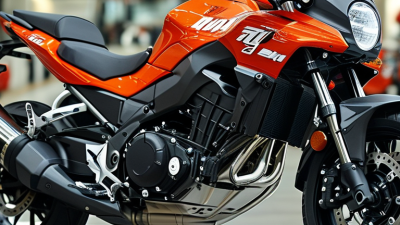
Choosing the right motorbikes for your market starts with listening to the people who will ride, service, and sell them. A bike that feels perfect on a smooth city road may struggle on rough rural routes. A model with a low purchase price may cost more to maintain if parts are scarce. Small details matter: seat height, fuel use, storage space, and how quickly a local mechanic can source a brake cable.
For this guide, one practical rule is: “Match the motorcycle to the rider’s daily route, not just the showroom display.” This is an editorial principle, not a verified quotation from a named industry expert. A genuine expert quote should be confirmed with its source before publication. That distinction matters when buyers rely on advice to make costly decisions.
Motorbike Motorbikes selection also depends on your market’s budget range, climate, road conditions, and service network. Ask dealers which models customers return to buy, and which ones sit unsold after the first rainy season. Check replacement-part availability, warranty support, and real-world comfort with local riders. No checklist predicts every outcome. I would also challenge one common assumption: the best-selling model is not automatically the best fit for every region. The sections ahead examine these factors and offer a grounded way to compare options.
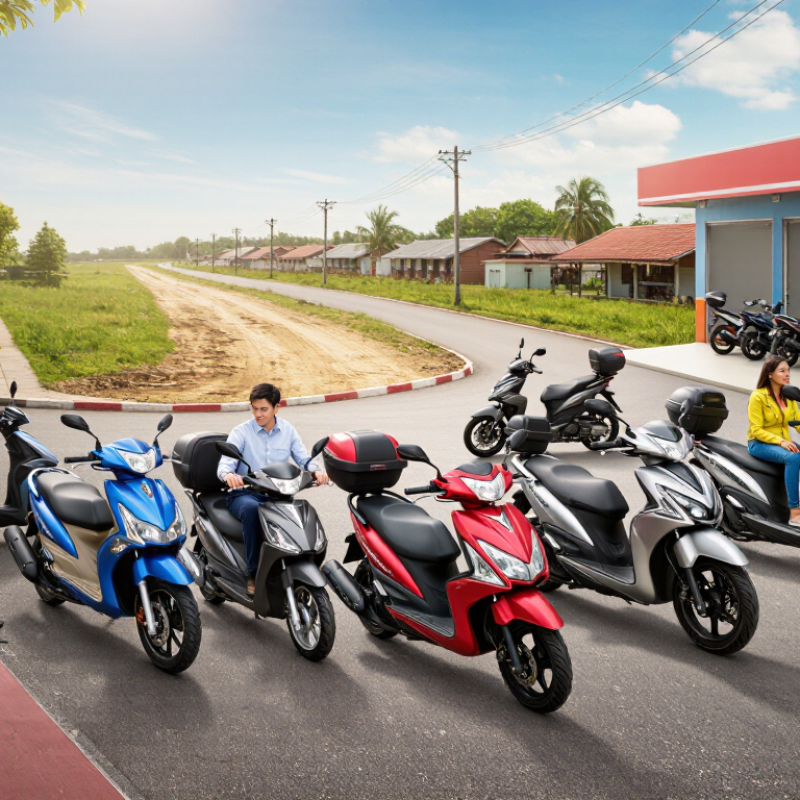
Choosing the right motorbike begins with understanding the people who will ride it. A delivery worker needs low running costs, stable handling, and space for a secure box. A city commuter may value light weight, easy parking, and strong fuel economy. Rural riders often need higher ground clearance, durable suspension, and reliable performance on rough roads. Climate matters too. Heavy rain, dust, and steep streets can quickly expose a weak design.
Tips: Interview local riders in person. Watch how they use their bikes. Measure daily distance, road conditions, cargo weight, and maintenance access. Ask what frustrates them. Their answers may challenge your market assumptions. Do not rely only on survey results.
A useful test involves placing several suitable models with real riders for two weeks. Record fuel or energy use, comfort after long trips, brake confidence, and repair frequency. A seat that feels comfortable for ten minutes may cause pain after three hours. Small details matter, such as glove-friendly switches and clear dashboard information. Local technicians can also reveal whether common parts are affordable and available. Applicable safety and emissions requirements must guide the final selection. A polished sales forecast can still be wrong. Market needs change with seasons, income, and transport habits. Keep testing, listening, and adjusting before ordering large quantities.

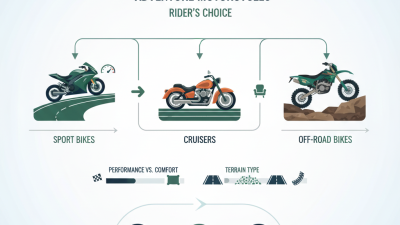
Engine displacement is one practical starting point when comparing customer needs: smaller engines are commonly suited to urban commuting, while larger-displacement bikes may better fit touring or performance-focused use. These are representative capacity benchmarks, not sales data or universal recommendations. Consider local licensing rules, road conditions, fuel costs, passenger and cargo needs, and rider experience before choosing a product mix.
Choosing an engine begins with the road, not the showroom. A 125–160 cc single-cylinder engine suits dense streets, low repair costs, and moderate daily loads. Larger twin-cylinder engines deliver stronger acceleration, but they add weight, heat, and fuel demand. In humid or dusty markets, simple air-cooling may be easier to service. Liquid cooling performs better under heavy traffic, though it needs more components.
Fuel efficiency must be tested under local conditions. The UNECE World Motorcycle Test Cycle measures acceleration, cruising, and deceleration more realistically than one constant-speed test. Ask suppliers for WMTC results, then repeat checks with two riders, uneven roads, and stop-and-go traffic. A small engine can still consume heavily when overloaded. It happens.
The International Energy Agency’s Global EV Outlook 2024 reports more than 10 million electric two- and three-wheelers sold worldwide in 2023. That figure makes electric power relevant for short urban routes, especially where charging access is reliable. However, battery replacement costs and charging delays can weaken real-world value. Compare total operating cost, not only published range. Measure kilometres per litre, charging time, payload, and acceleration on a familiar route. Performance is not just top speed. It is the ability to climb a crowded hill without overheating. Some market assumptions will be wrong. Recheck them with service technicians and delivery riders before placing a large order.
How to Choose the Right Motorbikes for Your Market?
Match Motorbike Features to Local Riding Conditions
A motorbike should fit the road, not just the showroom. Study local routes before selecting engine size, suspension, tyres, and carrying capacity. A lightweight model may suit narrow city streets, while rough rural roads require stronger suspension and higher ground clearance. Wet climates also demand dependable braking and tyre grip.
Speak with daily riders, repair technicians, and delivery workers. Their experience often reveals problems that specifications cannot show. Ask how frequently roads flood, how steep the hills become, and how much weight riders usually carry. In hot regions, check engine cooling and seat comfort during slow traffic. Small details matter.
Test bikes on representative routes. Ride over broken surfaces, crowded streets, loose gravel, and long inclines when possible. Observe steering effort, braking control, fuel use, and rider fatigue. Do not trust one short test. It can hide weaknesses. I have learned that a comfortable seat may still feel poor after two hours. Maintenance access also matters, especially where trained technicians are limited. Keep clear records from repeated tests, although no checklist is perfect. Local preferences may change faster than expected, so review feedback regularly.
| Local Riding Conditions | Typical Use | Suggested Motorcycle Profile | Features to Prioritize | Why the Match Matters |
|---|---|---|---|---|
| Dense urban traffic with frequent stops | Short commutes, errands, low-to-moderate speeds | Lightweight commuter, often around 100–200 cc | Upright riding position, manageable seat height, fuel efficiency, easy low-speed control, accessible routine servicing | Lower weight and simple handling can make repeated starts, parking, and congested streets easier to manage. |
| Long-distance paved roads and regular highway travel | Extended rides, higher cruising speeds, occasional luggage | Road motorcycle with an engine size suited to local speed limits and payload; commonly around 200–500 cc | Stable chassis, comfortable seat, effective brakes, suitable gearing, wind protection, and adequate carrying capacity | Comfort, stability, and braking performance become more important as ride duration, speed, and load increase. |
| Rural routes with gravel, potholes, or unpaved sections | Mixed-surface travel and everyday transport | Dual-purpose or utility motorcycle, commonly around 150–250 cc | Longer suspension travel, useful ground clearance, durable wheels, tires suited to mixed surfaces, and easy-to-clean components | Suspension travel and clearance help the motorcycle cope with uneven surfaces; tire choice should reflect the actual balance of pavement and loose ground. |
| Steep roads, frequent hills, or regular passenger and cargo loads | Hilly commuting, delivery work, two-up riding | Motorcycle with suitable low-speed torque and gearing; engine size should account for total load and terrain | Strong low- and mid-range response, robust clutch, effective brakes, stable suspension, and a frame rated for the intended load | Riders need predictable acceleration and braking on gradients. Engine size alone does not determine performance; gearing, weight, and payload matter too. |
| Hot weather and slow-moving traffic | Frequent low-speed operation in warm conditions | Commuter or utility motorcycle with a cooling system appropriate to local use | Cooling-system capacity, protection from heat at the rider’s legs, reliable fan operation where fitted, and accessible maintenance | Prolonged low-speed riding reduces airflow over the engine. Liquid cooling can help regulate engine temperature, while any system still requires proper maintenance. |
| Heavy seasonal rain, wet roads, or frequent flooding | Year-round commuting in wet conditions | Road-focused commuter with weather-resistant equipment | Wet-grip tires, effective brakes, corrosion-resistant finishes, sealed electrical connections, visible lighting, and practical mudguards | Wet-road grip and reliable electrical components support safer everyday use. Tire condition and suitable speed remain essential in rain. |
| Coastal areas with salty air | Daily use near the shoreline | Commuter or utility motorcycle designed for straightforward cleaning and upkeep | Corrosion-resistant hardware and finishes, protected connectors, accessible fasteners, and a maintenance plan that includes regular washing | Salt can accelerate corrosion on exposed metal parts. Protective finishes help, but regular cleaning and inspection are still needed. |
| Markets with limited repair facilities or parts availability | Everyday transport where downtime is costly | Commonly supported, mechanically straightforward motorcycle in a locally serviceable category | Available replacement parts, familiar service procedures, durable consumables, clear service intervals, and a strong local repair network | Ease of maintenance and parts access can affect ownership costs and vehicle uptime as much as purchase price. |
Selection note: Engine-size ranges are indicative, not universal recommendations. Confirm local licensing rules, emissions and safety regulations, road conditions, rider needs, passenger and cargo loads, fuel availability, and service support before selecting a motorcycle.
Choosing the right motorbikes for a market requires more than comparing engine size or purchase price. Local regulations should guide the shortlist. Check emissions limits, noise rules, lighting requirements, safety equipment, and registration procedures. A model that passes testing in one country may need costly changes elsewhere. I learned this the hard way when a seemingly suitable model required unexpected lighting adjustments.
Costs also extend beyond the showroom invoice. Compare import duties, spare-part prices, technician training, insurance requirements, and expected fuel use. A cheaper motorcycle can become expensive when parts arrive slowly or qualified mechanics are unavailable. After-sales support deserves equal attention. Ask how quickly common parts can be supplied, whether service manuals are available, and how warranty claims are handled. Delays damage customer trust.
Tips
Build a market-specific cost sheet. Include three years of maintenance. Speak with local mechanics before ordering. Their practical experience can reveal weak suspension, difficult diagnostics, or fragile components. Also, test several units on typical roads, not only smooth city streets. Record service times and customer feedback. Some assumptions will be wrong. That is useful. Review them before making a large purchase.
Choosing a motorbike for a market should begin with real use, not a specification sheet. Test candidate models on the roads riders actually travel: broken pavement, steep streets, and slow, crowded routes. Record fuel use, braking feel, turning effort, and comfort after a full hour. Small details matter. A narrow seat may seem harmless during a short ride, then feel tiring on a daily commute.
Invite local riders and mechanics to test the same models. Ask specific questions: Was the seat comfortable? Could you reach the controls easily? Did the bike feel stable with a passenger or typical cargo? Collect answers privately when possible, since group discussions can make people agree too quickly. Track repeated comments alongside outliers. A few complaints about hard starting deserve investigation, but one unusual preference should not decide the purchase. Feedback can be messy.
Validate demand with a limited pilot before committing to a large order. Offer a small number of models across different price and engine-size ranges, then monitor inquiries, completed sales, service visits, and parts requests for several weeks. Compare stated interest with actual buying behavior; they do not always match. Keep a simple test log with dates, rider profiles, route conditions, and observed issues. The process takes time, and the first round may point in the wrong direction. Re-test after changes, especially when repairs or rider training reveal a different picture.