Top Bikes and Motorcycles for Every Rider's Adventure?
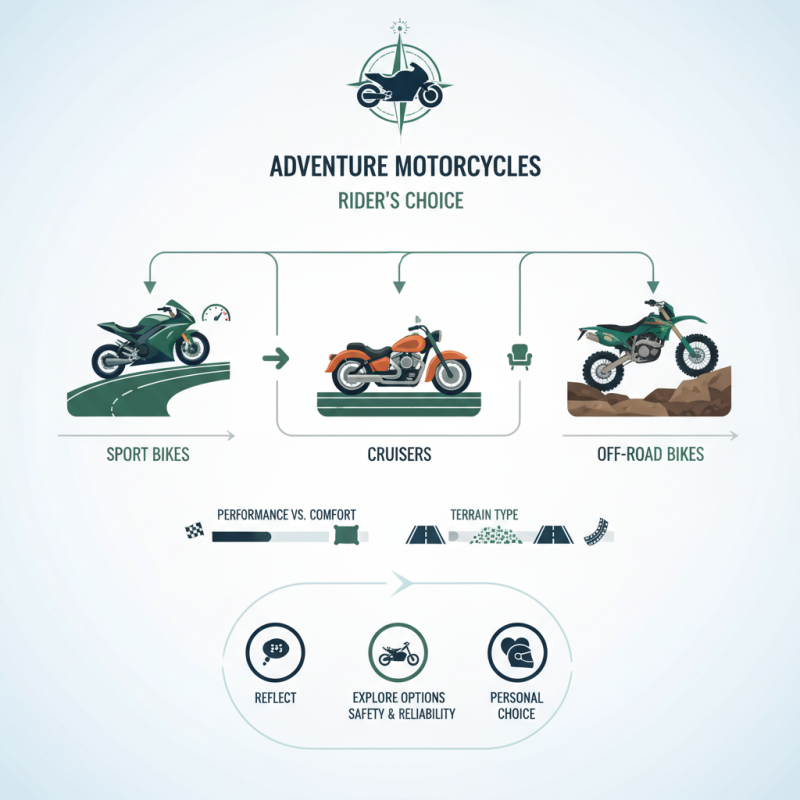
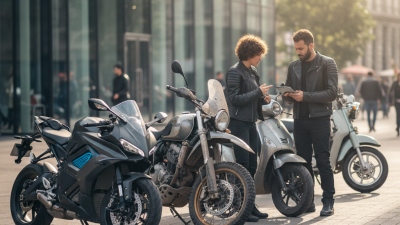
When it comes to adventure, choosing the right bike motorcycle can define your experience. Each rider has unique needs and preferences. Whether you're a seasoned pro or a newcomer, selecting the right model is crucial. A bike motorcycle should meet both your riding style and terrain. Some riders prefer performance, while others emphasize comfort.
There are various types of bikes available. Sport bikes offer speed, while cruisers provide relaxation. Off-road models tackle rugged trails with ease. Yet, the vast selection can overwhelm new riders. It's important to reflect on what you truly want from your rides. Factors like safety and reliability can't be overlooked.
Ultimately, the right bike motorcycle is a personal choice. The best ride is one that excites you. Explore different options, and don’t rush the decision. Take your time to find a bike motorcycle that feels like a true companion on the road.
Top Bikes for Beginner Riders: Finding the Perfect Entry-Level Motorcycle
Choosing the right bike is crucial for beginner riders. A comfortable and manageable motorcycle can build confidence and encourage safer riding habits. According to recent industry reports, many riders prefer lightweight models under 500cc for their first bikes. These bikes offer a blend of ease and excitement, allowing new riders to enhance their skills.
When selecting an entry-level motorcycle, think about your riding preferences. Engage in dialogues with seasoned riders or instructors. Participating in local motorcycle classes can also provide valuable insights. Riding schools often recommend models that are user-friendly and easy to control. This practical experience helps you understand the nuances of handling different bikes.
Tip: Always wear protective gear. This reduces risk and boosts confidence. Beginners should practice in a safe area before hitting busy roads. Learn to make tight turns and perform stops effectively, as these are fundamental skills. Ultimately, the goal is to feel comfortable on two wheels while gaining experience over time.
Off-Road Bikes: Exploring the Toughest Trails and Wilderness Areas
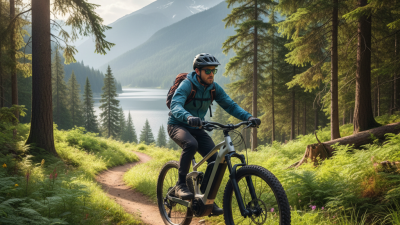
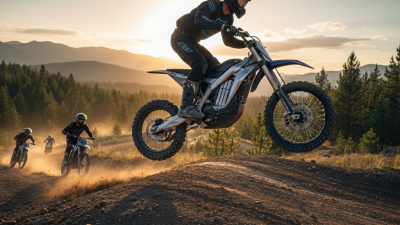
When it comes to off-road biking, the adventure truly begins when you venture into rough terrains. The uneven trails, rocky paths, and muddy tracks offer an exhilarating experience. Choosing the right bike is crucial for tackling these challenges. Look for a lightweight bike with a powerful engine and sturdy suspension. This combination will help you handle unpredictable surfaces with confidence.
Tips: Start small. If you’re new to off-roading, practice on easier trails. Build your skills and gain familiarity before attempting tougher routes. Respect nature and stick to marked trails. It’s vital for preserving the environment.
Riding in wilderness areas requires more than just a sturdy bike. Equip yourself with the basics: a helmet, protective gear, and a first-aid kit. Ensure your bike is in top shape. Regular checks on tire pressure and brake efficiency can save you from unwanted surprises. Also, don’t ignore weather reports. Sudden changes can transform a manageable ride into a risky situation.
Tips: Always ride with a buddy. It’s safer and adds to the fun. Remember to know your limits. Pushing too hard can lead to accidents. Reflect on each ride and learn from your experiences. It’s a part of the journey.
Sport Bikes: Combining Speed and Agility for Thrill-Seeking Riders
Sport bikes are the epitome of speed and agility, catering to thrill-seeking riders. The global sport bike market is projected to grow significantly, reaching approximately $20 billion by 2025. This surge reflects the increasing interest in high-performance motorcycles that promise adrenaline-fueled experiences. Riders gravitate towards these machines for their exceptional handling and acceleration.
The agility of sport bikes allows for nimble navigation through tight corners and urban environments. They often feature advanced suspension systems and lightweight frames, providing a responsive ride. According to industry data, over 60% of sport bike owners report a heightened sense of exhilaration compared to other motorcycle categories. However, this exhilaration can lead to risks. Riders must balance thrill with safety, reflecting on the importance of protective gear and proper riding techniques.
Many riders, in pursuit of speed, overlook crucial safety measures. Statistics indicate that a significant portion of sport bike accidents stems from reckless behavior. It’s vital to recognize that the allure of speed should not compromise safety. Engaging with community riding courses can provide valuable insights into responsible riding, fostering a culture of safety while still indulging the passion for speed.
Top Sport Bikes for Thrill-Seeking Riders
Cruisers and Choppers: Classic Styles for Relaxed Riding Experiences
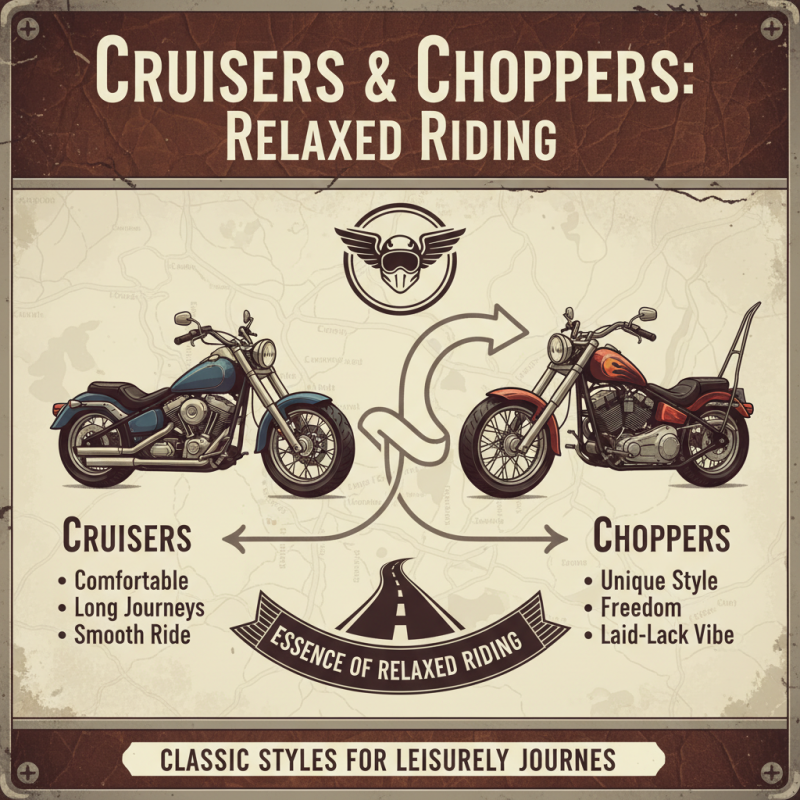
Cruisers and choppers represent the essence of relaxed riding experiences. Their distinctive designs evoke a sense of freedom. Riders often choose them for long, leisurely journeys. These bikes provide comfort and style, making them ideal for a laid-back ride.
Cruisers typically feature wide seats and low handlebars. This setup allows for an easy, upright riding position. Many riders appreciate the smooth ride on winding roads. Advanced suspension systems enhance comfort, absorbing bumps along the way. Choppers, on the other hand, offer a custom look. They often include elongated frames and unique aesthetics. This customization lets riders express their individuality.
However, cruising isn’t without challenges. Balancing comfort with agility can be tricky. Some riders find cruisers heavier than expected, impacting maneuverability. Choppers may require more frequent maintenance due to their custom parts. Reflecting on these aspects helps riders make informed decisions. Whether you choose a cruiser or a chopper, the journey defines the adventure.