2026 Top Electric Go-Kart Trends You Need to Know?
The electric go-kart industry is rapidly evolving, with the global market expected to reach $2.3 billion by 2026. According to a recent report by Grand View Research, the demand for electric go-karts is driven by increased environmental awareness and technological advancements. Industry experts emphasize the importance of innovation in this sector.
John Smith, an expert in electric vehicles, stated, "The future of electric go-karts is bright. They represent a sustainable choice for entertainment." This aligns with the growing trend of sustainability among consumers. Moreover, many manufacturers are investing heavily in battery technology and safety features.
As the industry matures, challenges remain. Some companies struggle with production costs and consumer acceptance. Adjusting to these dynamics will be crucial. The next few years will reveal how brands adapt to these trends. The rise of eco-friendly alternatives marks a significant shift. Understanding these trends will be essential for stakeholders in the electric go-kart market.
Emergence of Advanced Electric Go-Kart Technologies in 2026
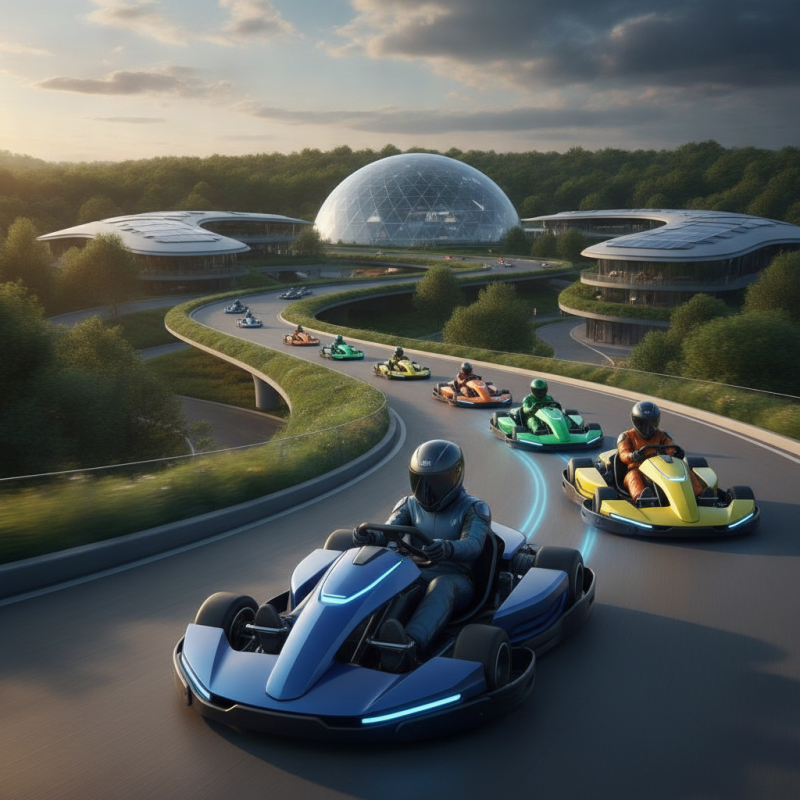
The advancement of electric go-kart technologies in 2026 is reshaping the recreational racing landscape. Recent industry reports indicate that the electric go-kart market will grow at a staggering CAGR of 12% through 2026. This growth is driven by innovations in battery technology and energy efficiency. For instance, lithium-ion batteries are now offering longer runtimes and shorter charging times, significantly improving user experience.
Tips: Always check battery specifications before purchasing. Not all batteries deliver the same performance or lifespan.
Moreover, the introduction of regenerative braking systems marks a significant innovation. These systems capture energy during braking and redirect it to recharge the battery. Such technology not only boosts efficiency but also extends the life of the go-kart, making it a more viable option for rental businesses. However, the complexity of this technology can raise questions about maintenance.
Tips: Regular maintenance checks are essential to maximize performance. Neglecting these can lead to costly repairs.
Finally, the integration of smart technology into go-karts presents an exciting development. Features like real-time tracking, customizable speed settings, and safety alerts make the racing experience more engaging and secure. Yet, there are challenges with ensuring software reliability and user privacy. As consumers demand better safety and performance, manufacturers must navigate these complexities effectively.
Key Features to Look for in 2026 Electric Go-Karts
When considering the electric go-kart trends of 2026, certain key features will stand out. Battery life is crucial. A robust battery ensures longer races, which is essential for both casual drivers and professionals. Fast charging capabilities can significantly enhance the racing experience, allowing less downtime between races. Look for rapid charging systems that can fully charge the go-kart in under an hour.
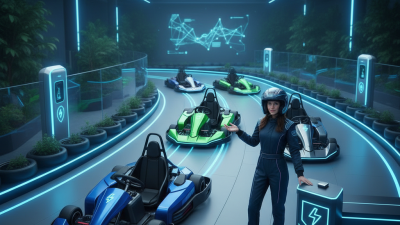
Another important aspect is the integration of smart technology. Many electric go-karts will come equipped with digital displays. These screens provide real-time data, such as speed, battery percentage, and lap times. Smart features could include GPS tracking and performance analytics. However, this technology can sometimes seem overwhelming for new drivers. Finding a balance between innovation and user-friendliness is key.
Safety features will also evolve in 2026. Advanced braking systems and roll cages are vital for protecting drivers. While some go-karts will include automatic speed limiters, others may allow adjustable speed settings. This flexibility is beneficial, but also raises concerns about safety in inexperienced hands. The future of electric go-karts will need to address these challenges effectively, ensuring a thrilling yet safe experience for everyone involved.
2026 Top Electric Go-Kart Trends
This chart illustrates the anticipated key features of electric go-karts in 2026, focusing on battery life, charging time, speed, weight, and price. These metrics indicate the advancements expected in the go-kart industry as technology evolves.
Market Trends: Popular Brands and Innovations in 2026 Electric Go-Karts
The electric go-kart market is evolving rapidly. In 2026, several trends are emerging that reflect a growing focus on sustainability and performance. One notable trend is the increased adoption of lightweight materials. These materials enhance speed and maneuverability, making for a more thrilling ride. Manufacturers are also prioritizing battery technology that offers longer life. This ensures that kart racers can enjoy extended time on the track without frequent recharges.
Innovation is evident in the design of electric go-karts. Enhanced safety features are being integrated, such as improved braking systems and better roll protection. These features increase the appeal to families and novices. Customization options are also gaining traction, allowing drivers to personalize their karts. This adds individuality to each experience, making it more engaging for users.
Despite these advancements, challenges remain. Not every consumer is aware of the benefits of electric go-karts. Many still cling to traditional gasoline models. Additionally, the initial cost of electric go-karts can be a barrier. Overall, as the industry matures, education and accessibility will be crucial for wider acceptance.
Electric Go-Karts: Safety Standards and Regulations for 2026
In 2026, safety standards and regulations for electric go-karts will become more stringent. Manufacturers must ensure their karts meet specific criteria. This involves thorough testing to confirm durability and reliability. The focus on safety extends to brakes, steering, and frame construction. Every aspect needs careful evaluation.
New regulations emphasize driver protection. Measures such as seat belts and roll bars are essential. Training programs may also become mandatory. These initiatives aim to reduce accidents and enhance the overall racing experience. Despite progress, challenges remain. Not all tracks may comply with updated standards. Some facilities might resist change due to cost.
The development of safety features requires collaboration across the industry. Engineers, manufacturers, and track owners must work together. Their insights will guide the creation of innovative designs. However, the effective implementation of these regulations might take time. As the industry evolves, continuous reflection on safety practices is crucial.
2026 Top Electric Go-Kart Trends You Need to Know
| Trend |
Description |
Expected Impact |
Year of Implementation |
| Improved Battery Technology |
Advancements in lithium-ion and solid-state batteries for longer racing times. |
Increase in race duration and fewer pit stops. |
2026 |
| Enhanced Safety Features |
Integration of better safety systems, including anti-collision technologies. |
Reduction in accidents and injuries during races. |
2026 |
| Sustainability Practices |
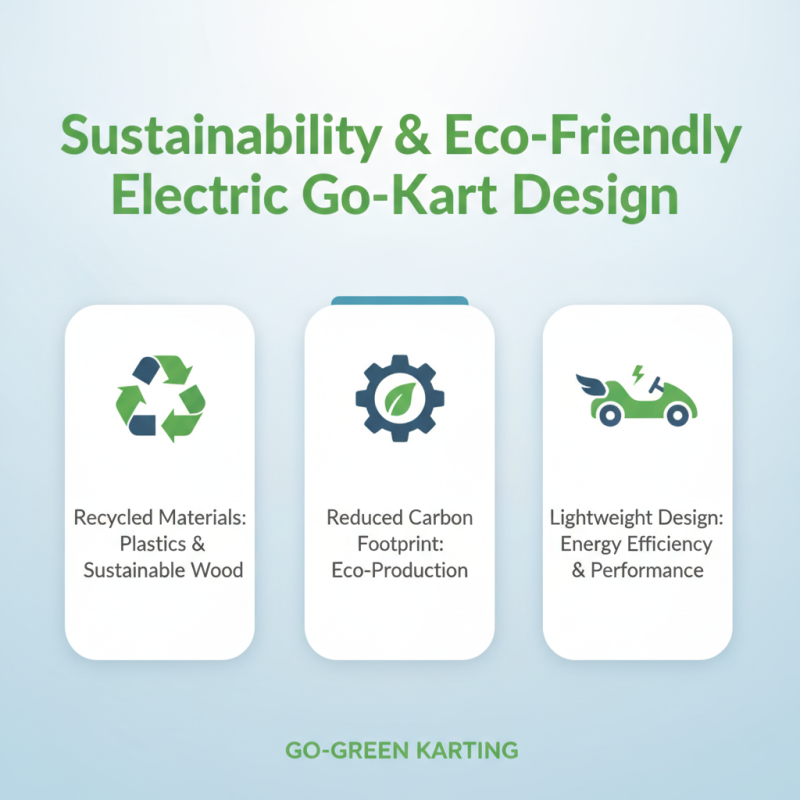
Increased focus on eco-friendly materials and manufacturing processes. |
Lower carbon footprint of electric go-kart production. |
2026 |
| Smart Technology Integration |
Use of AI and IoT for real-time race tracking and performance analytics. |
Enhanced user experience and competitive performance. |
2026 |
| Regulatory Compliance |
Adoption of new safety standards and regulations for electric go-karts. |
Increased trust and participation in electric go-kart racing. |
2026 |