

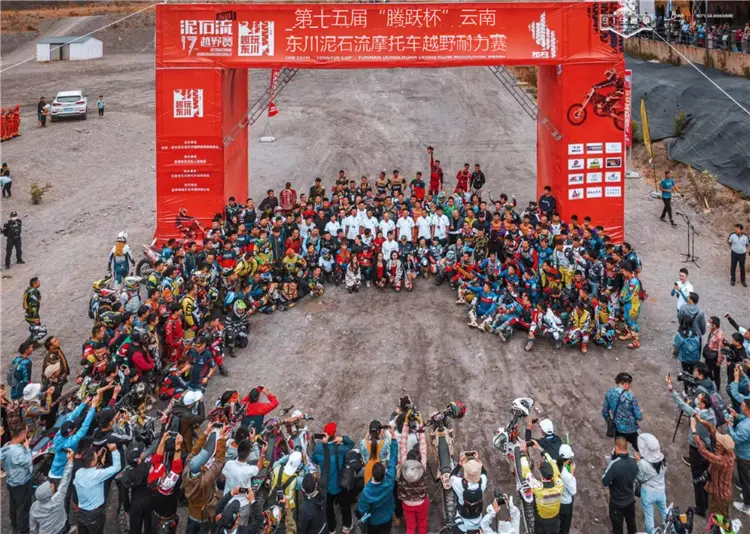

Domestic electric off-road vehicles are opening a new chapter in the industry.
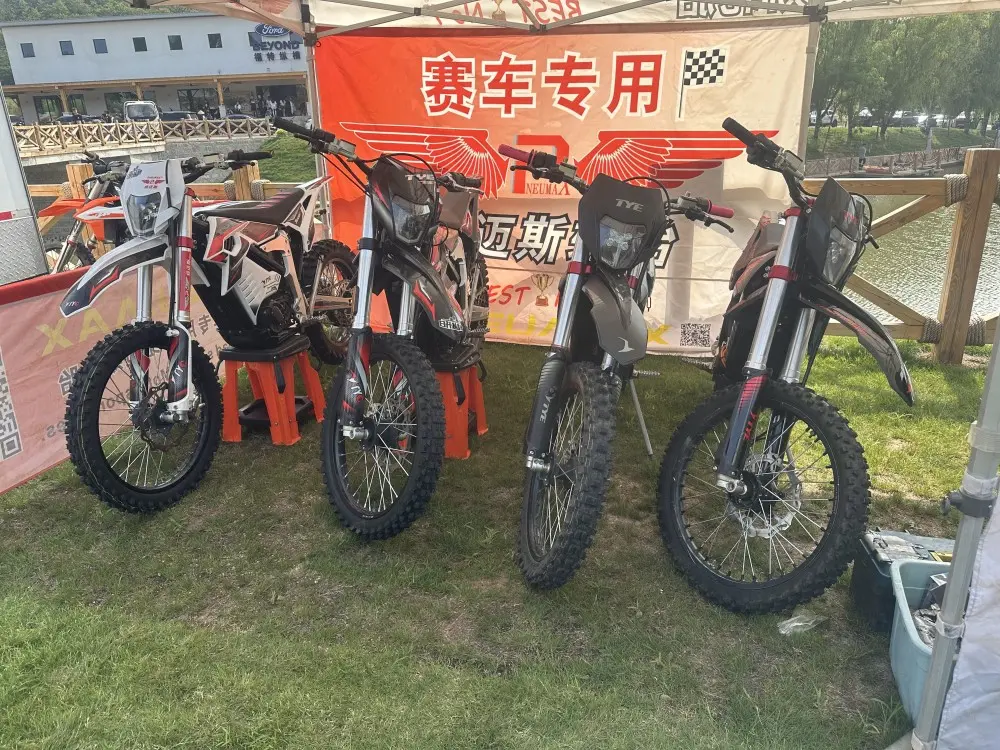
As a domestic manufacturer of electric off-road motorcycles, I was quite moved when I recently saw news about the China Motorcycle Motocross Championship (CMX) and the China-Mongolia Motorcycle Motocross Tour, which concluded in Jiangjin, Chongqing. I used to think that off-road riding was a "game exclusively for Westerners," with roaring fuel-powered vehicles and extreme terrain challenges that seemed unattainable. But now, not only do we have high-level off-road competitions in China, but we're also using domestically produced electric models as the designated vehicles. This change is truly remarkable and makes me want to share my thoughts.
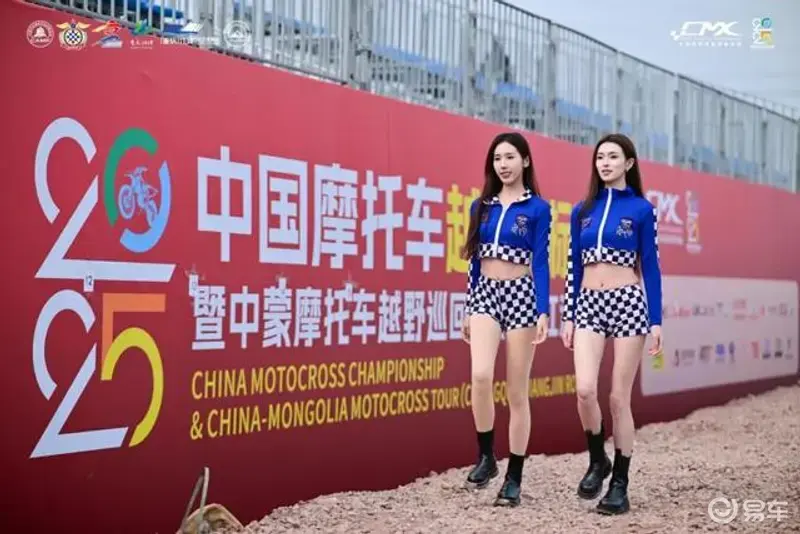
On December 14th, the CMX competition successfully concluded. It brought together over 50 top riders from China and abroad, and the track was built to international A-level standards: a 1200-meter course including 12 turns, 13 obstacles, and a 315mm vertical drop, along with extremely challenging muddy sections.
Why are domestic electric off-road motorcycle manufacturers willing to invest significant money and effort in creating electric off-road competitions?
Firstly, to provide a "real-world testing ground" for electric off-road technology. The challenging track and top riders' handling force brands to optimize power, range, and durability; this model has already been proven effective with fuel-powered vehicles, and it's precisely this approach that has led to the development of many well-known brands we see today.
Secondly, to break down the perception that "electric vehicles are not suitable for off-road riding," using the credibility of the competition to allow the public to intuitively experience the feasibility and low-barrier advantages of electric off-road riding; in some ways, electric off-road riding is even more exciting than fuel-powered off-road riding.
Thirdly, to build a communication platform between manufacturers, riders, and consumers, using rider feedback to guide R&D and using the competition to connect with users; simply put, it's about finding a reason to bring like-minded people together.
Fourthly, to explore a sustainable path for motorcycle sports, practicing "green competition" through electric-powered events, and providing a replicable model for the industry.
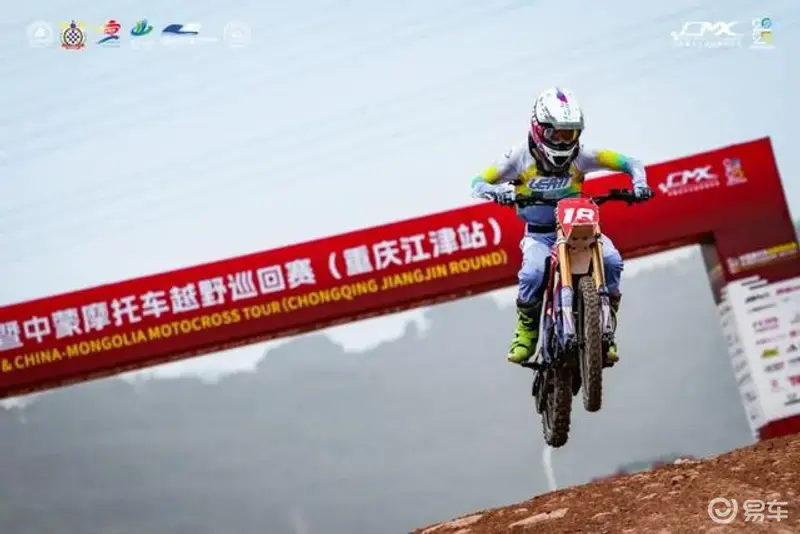
The advantages of electric off-road motorcycles can be clearly seen in the competition footage. For example, in terms of power, when riders encountered vertical drops, a slight twist of the throttle was enough to climb steadily, without the need for high engine speeds and frequent gear changes like with gasoline-powered vehicles, making the ride look very smooth;
In terms of handling, the 110kg curb weight is not heavy, allowing riders to maneuver flexibly in tight turns and avoid obstacles. Jumping over ramps looked incredibly cool, and the long-travel adjustable suspension filtered out bumps very well. Watching the riders ride so steadily was a thrilling experience for us spectators;
And then there's durability. Despite the muddy track, the bikes finished the race without any major problems, and the battery life held up well, which is incredibly important for off-road vehicles.
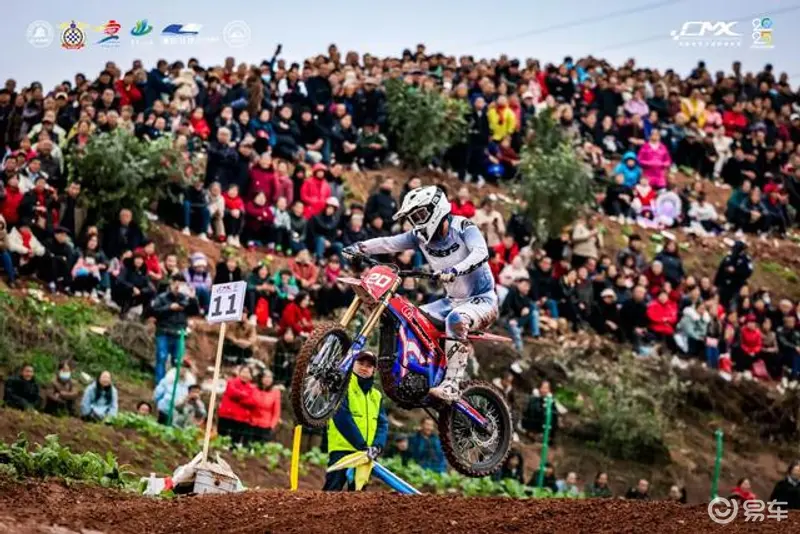
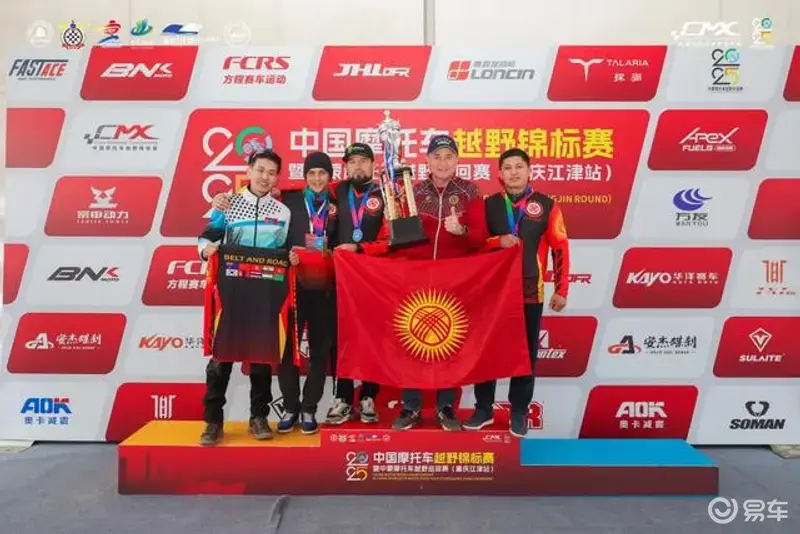
Finally, the results of the new energy category were also very encouraging: 10 domestic and international riders successfully completed the race, with Chinese riders Yang Jinyu and Yang Bo winning first and second place respectively, and a rider from Kyrgyzstan taking third place. Seeing Chinese riders standing on the podium with domestically produced models, that sense of pride was truly overwhelming – we used to envy foreign races and models, but now we have our own competitive brands and impressive events. This is the best proof of the rise of domestic off-road vehicles.
Watching domestic off-road races become more professional and domestic models become stronger, I feel truly gratified. Off-roading, an activity once "monopolized" by the West, is now becoming increasingly popular in China. This is due to the strength of the country and the silent efforts of national brands like TYE. I believe that in the future, more domestic models will enter the racing arena, more ordinary motorcycle enthusiasts will participate in off-road sports, and China's motorcycle culture will have its place on the world stage.