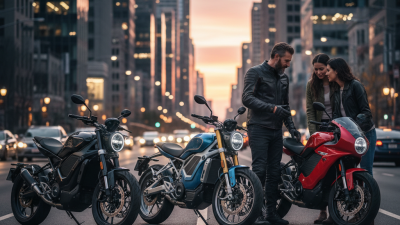
What Are the Top Powered Motorcycle Types?
Powered Motorcycle choices are changing quickly, but buyers still value practical performance. Grand View Research estimated the global motorcycle market at approximately US$106.8 billion in 2023. Its report also projects continued growth through 2030, supported by urban mobility, rising incomes, and electric models.
Different motorcycle types serve different daily realities. Scooters simplify crowded commutes with automatic transmissions and under-seat storage. Standard motorcycles offer balanced ergonomics for new riders and experienced commuters. Cruisers emphasize relaxed seating, low-speed torque, and long-distance comfort. Sport motorcycles prioritize acceleration, braking, and aerodynamic control. Adventure models add suspension travel, upright visibility, and mixed-surface capability. Electric motorcycles bring quiet operation, instant torque, and fewer routine engine-service requirements.
Erik Buell, founder of Buell Motorcycle Company, once described the motorcycle as “the most efficient form of personal transportation.” That statement remains useful, though it needs context. Efficiency depends on battery sourcing, riding conditions, maintenance, and rider behavior. A large adventure motorcycle may feel capable, yet a lightweight scooter can be more efficient in a dense city.
The International Energy Agency reports that electric two- and three-wheeler sales are expanding rapidly, especially in Asian markets. However, adoption differs sharply by charging access, price, and local infrastructure. Numbers can look impressive. Real ownership may feel less simple.
This guide compares the leading Powered Motorcycle types through performance, comfort, operating cost, safety features, and practical use. The best choice is rarely the most powerful one. It is the motorcycle that fits the rider’s roads, skills, budget, and everyday routine.
How Powered Motorcycles Are Classified
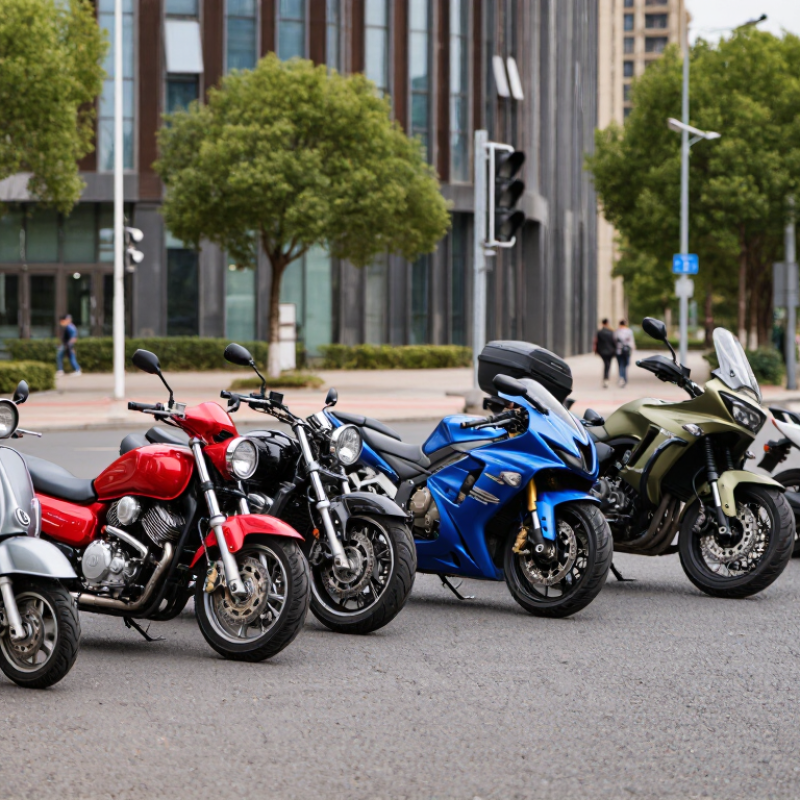
Powered motorcycle types are classified by design, purpose, and mechanical layout.
Standard motorcycles
keep a balanced riding position for commuting and everyday travel.
Sport motorcycles
use sharper steering, firmer suspension, and stronger acceleration.
Cruisers
usually feature low seats, relaxed foot positions, and steady road manners.
Touring motorcycles prioritize comfort over long distances. They may include wind protection, larger fuel capacity, and storage space.
Dual-sport motorcycles combine road equipment with limited off-road ability.
Scooters are also powered two-wheelers, but their step-through frames and automatic transmissions separate them from conventional motorcycles.
Engine size matters, but it does not define the entire category. A smaller engine can still serve urban riders effectively. I once assumed power alone determined a motorcycle’s class. That view was too simple.
Tips:
Check the frame, riding position, suspension, and intended terrain before choosing a type. Read the owner’s manual for load limits and maintenance intervals. Classification names can vary by region, so confirm local registration rules. Test the reach to the controls while wearing protective gear. A motorcycle may look suitable but feel tiring after twenty minutes. That detail is easy to miss.
Engine-Powered Motorcycle Types and Their Main Features
What Are the Top Powered Motorcycle Types?
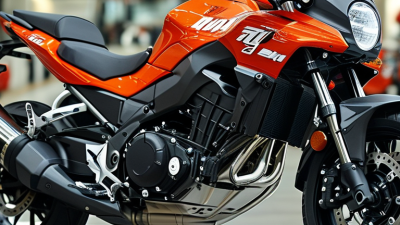
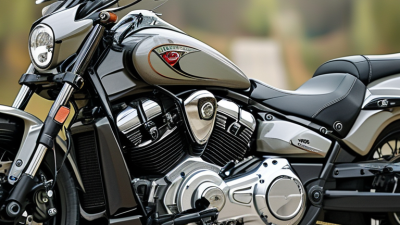
Engine-powered motorcycles differ through engine layout, chassis design, and riding purpose. Standard motorcycles use upright ergonomics and moderate engine sizes. They suit commuting, training, and short weekend trips. Sport motorcycles prioritise acceleration, braking, and cornering clearance. Their forward riding position can feel demanding in city traffic. Cruisers usually offer low seats, relaxed steering, and strong low-speed torque. They feel calm on open roads, but their weight can challenge new riders.
Touring motorcycles add larger fuel tanks, wind protection, luggage, and electronic assistance. Adventure motorcycles combine long-travel suspension with standing-friendly ergonomics. They handle broken pavement better, although their taller seats need careful balance. Dual-sport motorcycles are lighter and more flexible. They work on streets and maintained trails, but neither surface reveals their full potential. Engine size alone does not define performance. Weight, gearing, suspension, and rider skill matter more than many sales descriptions suggest. NHTSA’s 2022 Traffic Safety Facts reported that motorcyclists faced about 28 times the fatality risk of passenger-car occupants per mile travelled. That figure deserves attention.
Tips: Match the motorcycle to your regular roads. Sit on it with both feet near the ground. Test clutch weight and steering effort. Check the owner’s manual for service intervals. A smaller engine may teach better control. However, “beginner-friendly” is not a permanent label. Reconsider your choice after real riding experience.
Electric Motorcycle Types and Powertrain Differences
What Are the Top Powered Motorcycle Types?
Electric Motorcycle Types and Powertrain Differences
Electric motorcycles differ mainly by motor location, battery capacity, and control software.
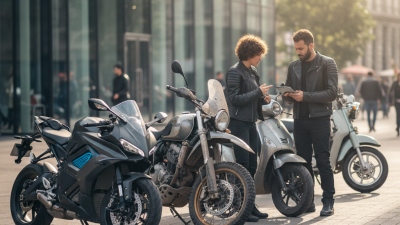
Hub motors sit inside the wheel and use fewer moving parts. They feel smooth and require limited mechanical maintenance. Mid-drive motors connect through the chain or belt. This design can improve balance, hill climbing, and cornering because the motor weight stays near the frame center.
Urban electric motorcycles usually prioritize efficiency, light handling, and easy charging.
Their moderate battery packs suit short commutes, but cold weather can reduce practical range. Sport-oriented models use stronger controllers and larger battery systems. They deliver rapid acceleration, although repeated hard riding creates heat and drains energy quickly. Dual-purpose motorcycles need a careful compromise between road speed, suspension travel, and loose-surface traction.
Peak power numbers can mislead buyers.
Continuous power describes what the motor can sustain without overheating. Torque delivery also matters, especially on steep roads or gravel. During a test ride, check throttle response, regenerative braking, seat comfort, and charging time. Claimed range is often measured under gentle conditions. My own expectation would be lower, sometimes much lower, after highway riding. A high-voltage system may reduce current losses, but it does not remove battery weight. Software updates can improve control, yet they cannot fix an undersized battery or poor thermal design.
Specialized Powered Motorcycles for Different Riding Purposes
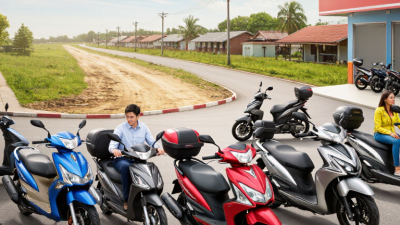
Powered motorcycles serve different riding purposes, so “top” depends on route, load, and rider experience. Lightweight electric motorcycles suit urban commuting with quiet starts, simple controls, and easy parking. Their narrow frames handle crowded streets well. Removable batteries can help apartment riders, although charging access remains a serious limitation. Range may also fall in cold weather. I would check daily travel distance before trusting a showroom estimate.
Adventure motorcycles fit mixed travel, including paved roads, gravel tracks, and uneven rural routes. Their upright seating improves visibility, while longer suspension helps absorb broken surfaces. However, added protection and luggage increase weight quickly. A fully loaded motorcycle can feel awkward during a slow turn. Touring motorcycles focus on distance, offering wind protection, stable handling, and space for essential luggage. They feel reassuring on highways, but their size can become tiring in dense traffic.
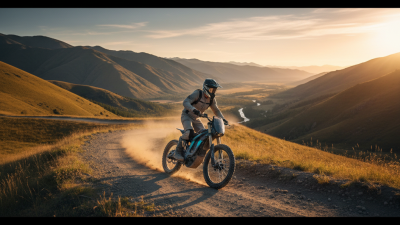
Off-road motorcycles prioritize low weight, ground clearance, and responsive suspension. They work well on private, permitted trails where riders can manage loose soil and sudden ruts. These motorcycles are less comfortable for long pavement journeys. Performance-oriented motorcycles deliver sharp acceleration and precise cornering, yet they demand disciplined throttle control and protective equipment. A practical evaluation should include seat height, braking feel, balance, maintenance access, and real charging or fueling conditions. My preference can change after one steep driveway or a poorly placed parking space.
What Are the Top Powered Motorcycle Types?
Specialized motorcycles are designed for different riding purposes. Engine-displacement bands provide a practical comparison of the typical power-oriented categories used across the motorcycle industry.
The ranges are generalized industry bands in cubic centimeters (cc); individual motorcycles may fall outside these ranges.
How to Choose a Motorcycle Type by Power, Range, and Use
Choosing a powered motorcycle starts with the journey, not the engine badge.
Small-displacement motorcycles, usually 125–250cc, suit city streets, short commutes, and easy parking. They use less fuel and feel forgiving in traffic. Mid-range models around 300–700cc offer stronger acceleration for highways and weekend riding. Large touring or adventure motorcycles provide carrying capacity and stability, but their weight becomes obvious during a slow U-turn.
I learned that the hard way.
Power should match your regular load.
A solo rider rarely needs the same output as two people carrying camping equipment. Electric motorcycles deliver immediate torque and quiet operation, but charging access matters more than laboratory range. The International Energy Agency’s Global EV Outlook 2024 reports that electric two- and three-wheelers formed the largest share of global electric vehicle sales in 2023. That growth is significant, though public charging coverage remains uneven in many regions.
Range estimates need practical adjustment.
Cold weather, hills, high speeds, luggage, and frequent acceleration reduce real-world distance. My first range calculation was too optimistic. Leave a safety margin of at least 20 percent for unfamiliar routes. The Motorcycle Industry Council’s owner research also shows that motorcycles serve varied purposes, including transportation, recreation, and touring. Choose around your main use. A lightweight commuter may be perfect downtown, yet tiring on long expressway rides. A powerful touring motorcycle can cross distance comfortably, but it may feel excessive for a ten-minute commute. Test the seat, reach, braking feel, and low-speed balance before deciding.