What is a Trail Motorcycle and How Does It Differ from Other Bikes?
Trail motorcycles are specifically designed for off-road adventures, offering riders a unique experience. According to the Motorcycle Industry Council, over 200,000 trail motorcycles were sold in the U.S. last year, highlighting their growing popularity. These bikes feature lightweight frames and enhanced suspension systems, making them ideal for challenging terrains.
One key distinction is their build quality. Unlike street bikes, trail motorcycles prioritize durability and maneuverability. They often come equipped with knobby tires and powerful engines that can handle rough paths and steep inclines. However, not all trail motorcycles are created equal. Some models perform better in rugged conditions, while others may struggle, yet all share the essence of off-road capability.
With the rise of adventure biking culture, understanding trail motorcycles becomes essential. Riders are drawn to their versatility and the freedom they provide. Yet, choosing the right trail motorcycle is not straightforward. This requires considering factors like weight, engine size, and purpose of use. Each choice impacts performance significantly, making informed decisions crucial for optimal riding experiences.
What Defines a Trail Motorcycle?
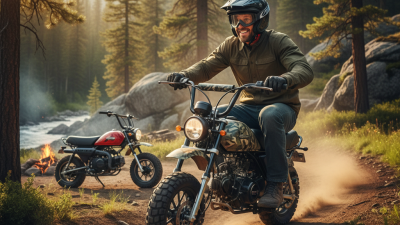
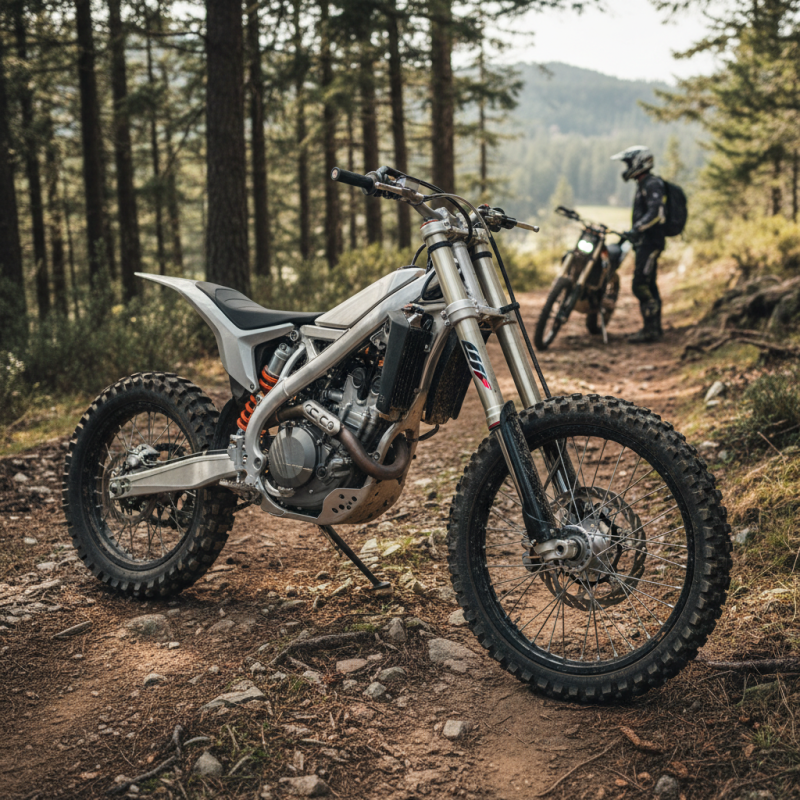
Trail motorcycles are specialized machines designed for off-road adventures. They feature lightweight frames, robust suspensions, and knobby tires. These aspects help them navigate rugged terrains and obstacles with ease. The unique design allows riders to tackle trails that regular motorcycles cannot manage.
What truly defines a trail motorcycle is its ability to blend power with control. The engines are usually less powerful than those of street motorcycles, enabling better handling. Riders gain confidence as they master challenging trails. This balance is essential for both beginner and experienced riders. Trail motorcycles often come equipped with features like adjustable suspensions and enduro-style seating, enhancing comfort during rides.
One might find that trail motorcycles encourage a different kind of riding experience. Riders learn to be more aware of their surroundings and terrain. However, it can be challenging at times, requiring constant adaptation. Each trail presents unique difficulties, testing the rider's skill and patience. Appreciating these challenges is part of the trail motorcycle experience.
Key Features of Trail Motorcycles
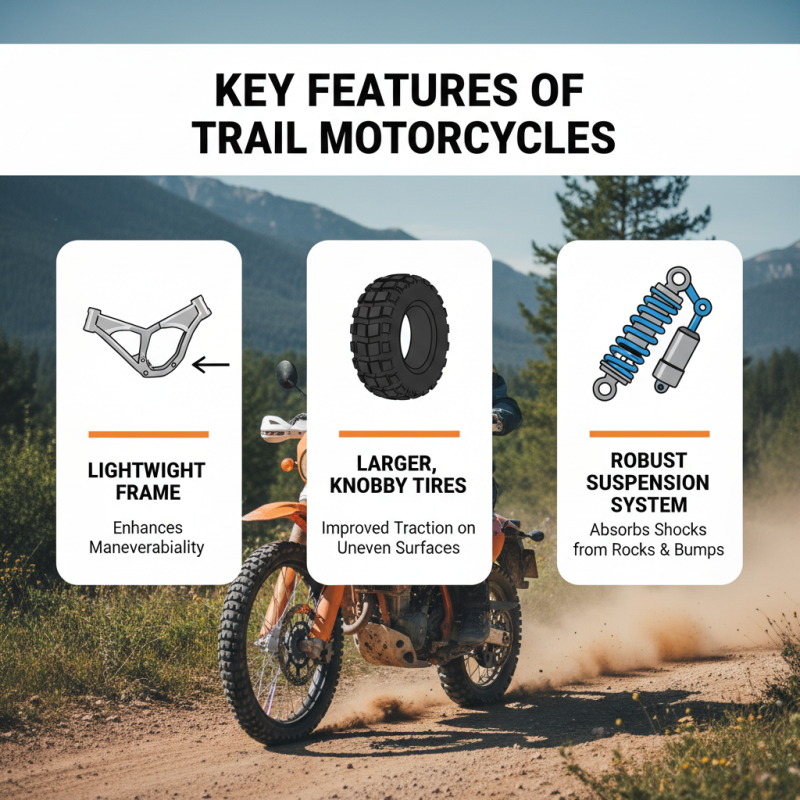
Trail motorcycles are designed specifically for off-road adventures. They feature lightweight frames that enhance maneuverability over rugged terrains. These bikes often come with larger tires, providing better traction on uneven surfaces. The suspension systems are typically more robust, allowing for greater absorption of shocks from rocks and bumps.
In addition to their build, trail motorcycles have unique engine configurations. They tend to have less horsepower than racing bikes but deliver power effectively for climbing and navigating through trails. Fuel efficiency is also a priority, as riders may spend long hours in remote areas.
Many riders appreciate the simplicity in the design of these machines. The controls are user-friendly, promoting a better learning curve for beginners. However, some may struggle with finding the right balance between speed and control. This is a key learning point for many new enthusiasts. Every ride presents an opportunity to refine skills, highlighting the ongoing journey of mastering trail biking.
Comparison of Trail Motorcycles and Standard Bikes
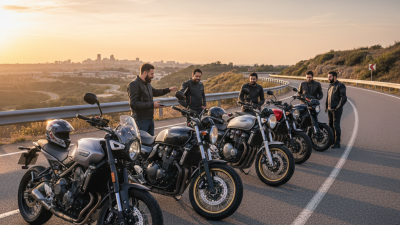
Trail motorcycles are specifically designed for off-road riding. They feature robust suspension systems and knobby tires for better grip on uneven terrain. Standard bikes, in contrast, are more suited for paved roads. They lack the rugged features found in trail bikes, making them less effective in challenging environments.
One significant difference lies in the weight and size. Trail motorcycles are typically lighter and more compact. This design enhances maneuverability on tight trails. Standard bikes tend to be heavier, which can hinder performance on rough paths. Trail motorcycles often have higher ground clearance, allowing them to navigate obstacles easily. In contrast, standard bikes prioritize comfort and stability on smooth surfaces.
Riding experience plays a vital role in choosing between the two. Trail riding can be exhilarating but also demanding. Riders must adapt to varied conditions, which requires skill. Standard bikes offer a more controlled environment, making them ideal for everyday commuting. However, this stability can sometimes limit the adventure factor. Choosing the right bike hinges on the intended use and riding style.
Trail Riding Techniques and Skills Required
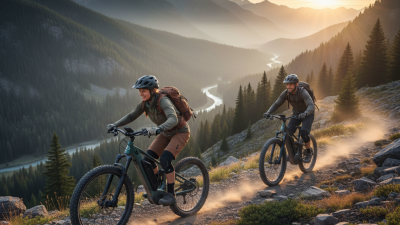
Trail riding is an exhilarating experience that requires specific techniques and skills. Riders must develop balance and control over rough terrain. This means understanding weight distribution, especially when transitioning over obstacles. Shifting your weight forward on hills helps maintain traction. Leaning back on descents is crucial to avoid being thrown off.
Another essential skill is mastering the use of throttle and brakes. Maintaining momentum is key in tricky sections. Braking too hard can lead to skidding. A gentle touch often yields better control. Recognizing when to throttle up or ease off is a skill that improves with experience.
Riders should also practice scanning the trail ahead. Identifying potential hazards can prevent accidents. Being alert means noticing changes in the terrain. Revisiting routes to assess performance can highlight areas for improvement. Embracing these lessons leads to greater confidence and skill progression over time.
What is a Trail Motorcycle and How Does It Differ from Other Bikes? - Trail Riding Techniques and Skills Required
| Feature |
Trail Motorcycle |
Other Bikes |
| Weight |
Lighter, typically 250-300 lbs |
Heavier, often 400+ lbs |
| Suspension |
Longer travel for rough terrain |
Shorter travel, designed for roads |
| Tires |
Knobby for off-road grip |
Smooth for paved surfaces |
| Seat Height |
Higher for better cornering |
Lower for stability on roads |
| Use Case |
Off-road and rugged trails |
Street and highway riding |
| Skill Level Required |
Intermediate to advanced |
Beginner to intermediate |