What Are the Top Types of Bikes and Mini Bikes?
Choosing among the top types of Bikes Mini Bikes begins with one practical question: where will the vehicle be used? A lightweight road bike may feel quick on smooth pavement, while a mountain bike needs wider tires and stronger suspension for rocky trails. Folding bikes suit commuters with limited storage. Cruiser bikes offer relaxed handling, broad saddles, and an upright riding position.
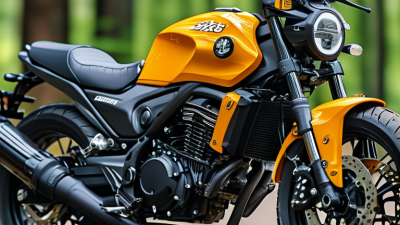
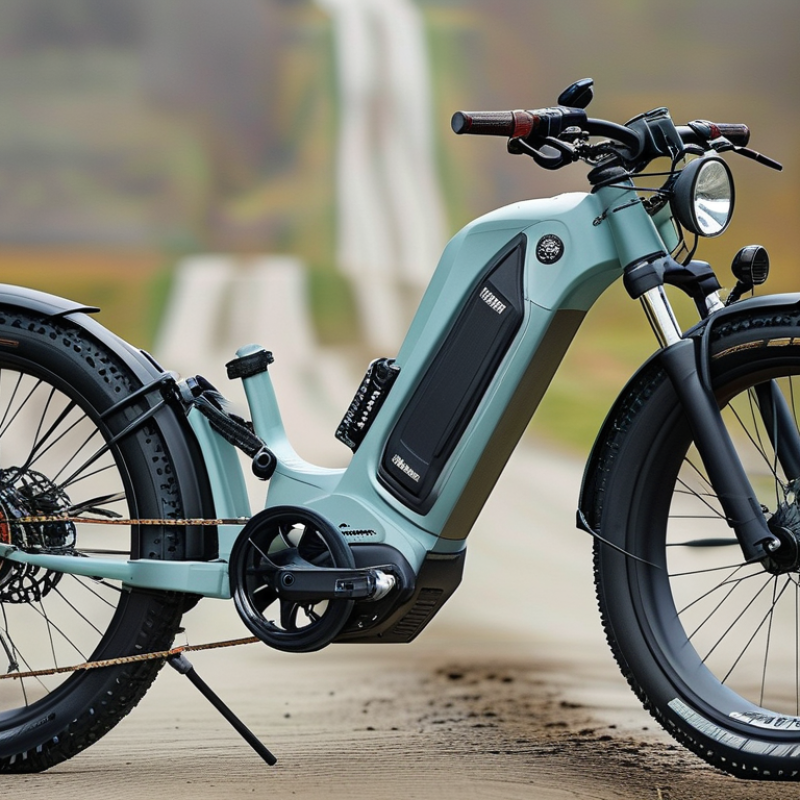
Mini bikes bring a different experience. Their compact frames, small wheels, and low seats can make short recreational rides feel lively. Some models use electric assistance, while others use small engines. Buyers should check the intended terrain, rider size, braking system, battery or fuel requirements, and local riding rules. A bright headlight matters on a shaded path. So does a dependable chain guard.
Sheldon Brown, a respected bicycle mechanic and technical writer, offered a useful reminder: “There is no one perfect bicycle.” That idea also guides a careful Bikes Mini Bikes comparison. A model that works beautifully on a farm track may feel uncomfortable during a long city commute. A folding mini bike may save space, yet its smaller wheels can react sharply to potholes. This is easy to overlook.
The strongest choice balances comfort, control, maintenance, and real riding conditions. Price alone is a weak guide. Test the fit. Check the brakes. Imagine carrying it upstairs after rain. Even experienced riders can choose poorly when marketing replaces measurement. This overview will examine popular bike and mini bike categories, their practical strengths, and the compromises that deserve honest attention.
How Bikes Are Classified: UCI, ISO 4210, and ASTM Design Standards
What Are the Top Types of Bikes and Mini Bikes?
Bikes are often grouped by purpose, but standards add a more precise layer. Road, mountain, city, folding, youth, and mini bikes can differ in geometry, tires, braking systems, and intended surfaces. A mini bike may have smaller wheels and a compact frame, yet its classification depends on design and use. Size alone does not decide safety.
UCI rules mainly govern bicycles used in regulated competition. They address features such as dimensions, equipment position, and race eligibility. ISO 4210 focuses on bicycle safety and testing. Its requirements cover frames, forks, steering, brakes, pedals, wheels, and fatigue resistance. These tests imitate repeated impacts and hard braking. A bicycle that looks strong may still fail under repeated stress.
ASTM standards are more product-specific. They can address bicycles, children’s products, components, or testing procedures, depending on the applicable document. Mini bikes need careful review because some fall outside traditional pedal-bicycle categories. I once assumed a smaller frame meant fewer risks. That was wrong. Short wheelbases can feel twitchy, especially on loose ground. Measure twice. Check the frame markings, intended rider size, brake response, tire condition, and assembly instructions. A qualified technician can compare the product with the correct current standard. Standards may also differ by market, so an online description is not enough evidence.
Road Bikes: 700C Wheels and the UCI’s 6.8 kg Minimum Weight
Road bikes are built for speed, distance, and efficient movement on paved roads. Most use 700C wheels, a common size based on a traditional European measurement system. The number does not describe the exact outside diameter of every wheel. Tire width and rim design change the final measurement slightly. On a smooth road, these large wheels maintain momentum well and pass over small cracks more calmly.
A typical road bike has narrow tires, dropped handlebars, and a lightweight frame. During a long ride, I notice the difference when climbing or accelerating from a traffic light. The bike responds quickly, but that speed demands careful control. Narrow tires can feel nervous on loose gravel. Wider road tires often provide more comfort without destroying efficiency. That detail is easy to overlook.
In regulated professional competition, the UCI sets a minimum bicycle weight of 6.8 kilograms. This rule applies to eligible racing equipment, not every road bike sold or used by the public. A lighter bicycle is not automatically faster. Riders also need stiffness, reliable braking, stable handling, and enough strength for rough roads. I once assumed that removing every extra gram was the smartest upgrade. That assumption was incomplete. An extremely light setup may feel less settled, especially in strong wind or on a fast descent. Weight limits also encourage manufacturers and mechanics to consider safety, durability, and performance together. A well-adjusted bicycle with practical tires can outperform a fragile, lighter machine in everyday riding.
Mountain Bikes: 26–29-Inch Wheels, Suspension, and ASTM Use Classes
Mountain bikes are built for uneven ground, loose soil, and sudden changes in elevation. Wheel sizes usually range from 26 to 29 inches, with each option changing handling. Smaller wheels can feel nimble on tight, technical trails. Larger wheels roll more smoothly over roots and rocks. Rider height, skill, and trail design matter more than a simple size rule.
Suspension also shapes the riding experience. A hardtail uses front suspension and often climbs efficiently on packed trails. A full-suspension bike adds rear movement, improving control on rough descents. However, extra suspension increases weight and maintenance needs. I have found that poorly adjusted suspension can feel worse than a simpler setup. Air pressure, rebound, and sag require careful adjustment.
ASTM use classes help match a bicycle with suitable terrain. Class 1 generally covers paved or smooth surfaces. Class 2 includes moderate gravel and maintained unpaved paths. Class 3 suits rougher trails with roots, rocks, and steeper sections. Class 4 may include jumps and aggressive trail riding. Class 5 is intended for extreme downhill use. These categories are guidance, not permission to exceed a frame’s limits. Check the bicycle’s markings and technical instructions before riding unfamiliar terrain. A helmet, working brakes, and properly tightened wheels remain essential. Small oversights become serious on steep ground.
Common Bicycle Wheel Sizes by Bike Type
Mountain bikes commonly use 26-inch, 27.5-inch, or 29-inch wheels. Smaller bicycles typically use smaller wheels, while road bicycles commonly use 700c wheels, which measure approximately 27.5 inches in diameter.
Note: Wheel size is a typical nominal diameter and can vary slightly by tire width and rim design. Mountain-bike suspension and ASTM use classes describe intended riding conditions and safety requirements; they do not determine wheel diameter. Mini bikes are a separate motorized category and do not follow standard bicycle wheel-size classifications.
Mini Bikes: 49–196 cc Engines, 25–40 mph, and CPSC Safety Rules
Mini bikes sit between toys and motorcycles, yet their performance can feel surprisingly serious. Common market specifications span 49 to 196 cc engines. Typical speeds range from 25 to 40 mph, depending on rider weight, gearing, terrain, and maintenance. A 196 cc engine may reach the upper end quickly. That changes stopping distance.
The U.S. Consumer Product Safety Commission estimated 81,800 emergency-department-treated ATV injuries in 2021, with children under 16 representing about 26 percent. Mini bikes are not automatically classified as ATVs, so CPSC ATV requirements may not apply to every model. Buyers should verify the product category, safety labeling, guards, braking equipment, and throttle-return design. Read the manual carefully. It is often ignored.
Real-world riding needs more than engine data. A properly fitted helmet, eye protection, gloves, long trousers, and sturdy footwear reduce exposure to impact and abrasion. CPSC guidance also emphasizes supervision, age-appropriate use, and avoiding public roads unless local authorities explicitly permit it. Ride on controlled private terrain, inspect the chain and brakes, and keep both hands on the bars. Speed claims can be optimistic. Mud, loose gravel, and worn tires can make 25 mph feel unsafe. Industry specifications help comparison, but they cannot replace a practical inspection or responsible training.