China Best Electric Sports Motorcycles Manufacturers?
China has become a major production base for Electric Sports Motorcycles, supported by strong battery, motor, electronics, and manufacturing supply chains. The International Energy Agency’s Global EV Outlook 2024 identifies China as the world’s leading market for electric two-wheelers and a central force in global electrification. This matters because performance motorcycles require more than attractive acceleration. They need stable thermal control, reliable battery management, predictable braking, and durable frames.
The word “best” is difficult.
A serious comparison should examine tested range, peak and continuous power, charging time, battery warranty, water resistance, suspension quality, and software support. TÜV, SGS, and Intertek testing can provide useful evidence, while certifications such as CE may support access to European markets. However, certification alone does not prove racing performance or long-term reliability. Real riding data matters. A motorcycle climbing a steep road in summer heat reveals more than a showroom specification sheet.
Reports from Research and Markets and Fortune Business Insights also indicate continued growth in the global electric motorcycle sector, although market estimates vary by definition and region. That uncertainty deserves attention. Some studies combine scooters, commuter motorcycles, and high-performance models, making direct comparisons imperfect. Leading Chinese manufacturers and specialist brands are therefore best assessed through independent testing, production experience, component transparency, and after-sales capability. Buyers should look for clear battery-cell information, replaceable parts, traceable quality control, and service coverage near the intended riding market. China offers impressive engineering depth, but the strongest supplier is not always the one with the highest claimed speed. Reliability is usually quieter.
What Defines an Electric Sports Motorcycle?
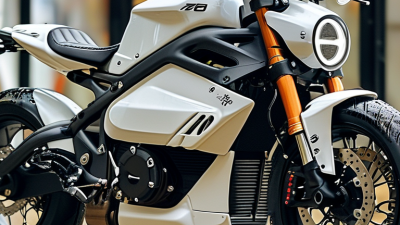
An electric sports motorcycle is not simply a petrol motorcycle with its engine removed. It combines rapid electric torque, a low center of gravity, responsive handling, and controlled energy delivery. The motor should provide strong acceleration without making the throttle feel nervous. That balance matters on a tight mountain road or during a sudden lane change.
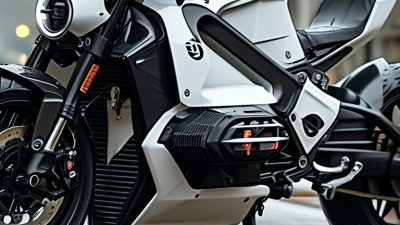
Battery design is equally important. A practical sports model needs enough capacity for spirited riding, not only a laboratory range figure. Heat can build quickly during repeated acceleration. Effective cooling, battery monitoring, and power management help maintain stable performance. A clear dashboard should show usable range, temperature, charging status, and power limits. Riders need facts, not optimistic guesses.
The chassis also defines the experience. Firm suspension, predictable brakes, and suitable tire grip should work together without making city riding uncomfortable. Engineers often test corner entry, emergency braking, charging cycles, and wet-road behavior before approving a design. Small details count. A heavy battery can make the motorcycle feel planted, yet it may reduce agility at low speed. I have found that impressive acceleration does not always create an enjoyable ride. Noise reduction can also hide mechanical warning sounds, so dependable sensors and maintenance checks become more important. Real quality appears when performance remains controlled after repeated use, not only during a short demonstration.
China’s Electric Sports Motorcycle Manufacturing Landscape
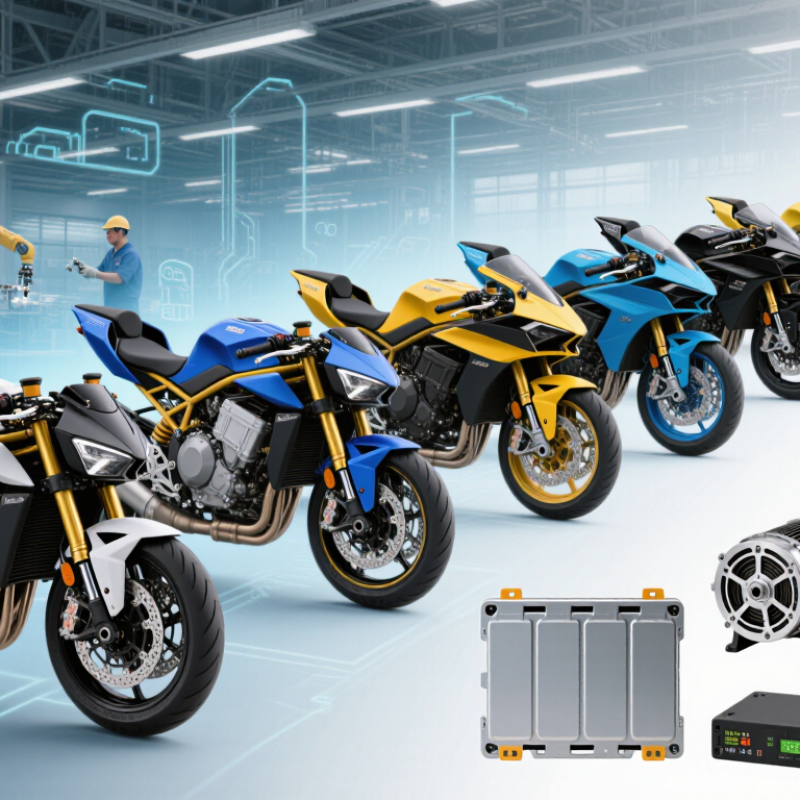
China’s electric sports motorcycle manufacturing landscape is moving from prototype workshops toward integrated production networks. Factories often combine frame welding, motor assembly, battery integration, and software calibration under one roof. This structure can shorten development cycles and simplify quality tracing. Manufacturing activity is concentrated in established industrial regions with strong metalworking, electronics, and battery supply chains. Nearby suppliers provide controllers, braking systems, lighting units, and digital dashboards.
The strongest manufacturers treat performance as a system, not a single motor figure. Engineers test acceleration, thermal control, suspension balance, braking distance, and battery behavior under repeated loads. Weather resistance also matters. Water-sealed connectors and protected battery housings support safer daily use. Export-oriented facilities usually maintain documented inspections, traceable components, and testing aligned with destination-market requirements. Still, paperwork quality can vary between factories. Buyers should verify test records rather than trust impressive specification sheets.
The sector is competitive, but it is not flawless. Some factories improve rapidly while relying on similar parts from the same supplier network. This can limit meaningful differentiation. Battery cooling, software refinement, and long-term durability still require deeper investment. Short road tests may hide problems that appear after thousands of kilometers. A careful evaluation should include sample testing, production-line checks, warranty procedures, and spare-parts planning. Factory capability matters more than showroom appearance. Experiences can differ sharply between a pilot batch and full-scale production.
Core Technologies, Performance, and Safety Standards
China’s strongest electric sports motorcycle manufacturers compete through battery control, motor efficiency, and disciplined testing. The International Energy Agency reports that electric two- and three-wheelers remain the largest electrified road transport segment by vehicle volume. That scale creates valuable manufacturing experience, but volume alone does not guarantee performance.
A serious model should use a battery management system with cell balancing, thermal monitoring, and over-current protection. BloombergNEF reported that average lithium-ion battery pack prices fell to 115 US dollars per kWh in 2024. Lower costs can support larger packs, yet heat management remains critical during repeated acceleration.
Peak power looks impressive. Continuous power matters more. Riders should check range under realistic loads, not only laboratory claims. Wind, temperature, passenger weight, and aggressive riding can reduce range sharply.
Safety evidence deserves equal attention. UNECE Regulation No. 136 addresses electric powertrain safety for L-category vehicles, including protection against electric shock and battery hazards. ISO 13063 also provides requirements for rechargeable battery systems used in electric motorcycles. Manufacturers should provide test records, insulation checks, enclosure ratings, braking data, and charger protection details. In practical inspections, loose connectors and poor cable routing can reveal more than polished specifications. I would still question any factory that publishes acceleration figures but avoids thermal-cycle results. Performance sells the motorcycle; reliable protection keeps the rider on it.