Leave Your Message

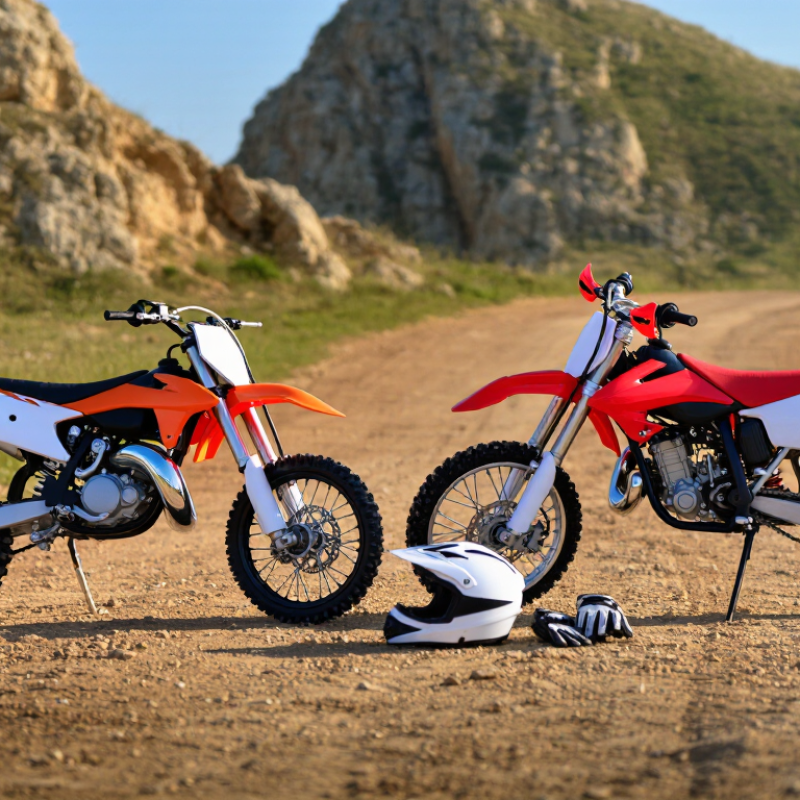
7 Tips for Choosing the Best Small Dirt Bike?

Choosing the best small dirt bike is not simply about finding the lowest price or the brightest color. A suitable Dirt Bike Small should match the rider’s age, height, experience, and intended terrain. A bike that feels manageable in a showroom may feel tall and heavy on a rocky trail. That difference matters. It can affect control, confidence, and safety.

This guide introduces seven practical tips for making a more informed decision. We will examine engine size, seat height, weight, suspension, brakes, build quality, and maintenance needs. Manufacturer specifications provide a useful starting point, but real-world fit requires careful judgment. Ask a qualified dealer or experienced mechanic for advice. Check the controls while wearing proper riding gear. Your boots can change how easily you reach the ground.

Do not rush.

A smaller engine may offer smoother learning, while a larger one can become difficult to control. Electric models may provide quiet operation and simple starting, but battery range and charging time deserve attention. Fuel-powered bikes may travel farther, yet they require more routine maintenance. Neither option is perfect. I have seen buyers focus heavily on power and overlook suspension setup or replacement-part costs. That is an easy mistake to make. Reliable selection means comparing the rider’s actual needs with verified specifications, safety guidance, and honest long-term ownership expectations. The right bike should feel predictable, comfortable, and ready for responsible practice.
7 Tips for Choosing the Best Small Dirt Bike?

Define Your Riding Goals and Skill Level

7 Tips for Choosing the Best Small Dirt Bike

Define Your Riding Goals and Skill Level

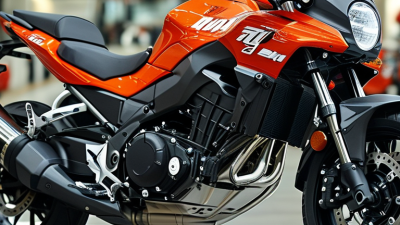
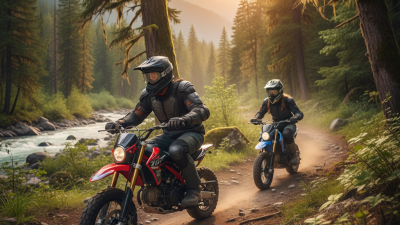
Choosing a small dirt bike begins with an honest description of your riding goals. Do you want quiet trail rides, practice on private land, or basic off-road training? Each purpose demands different handling, suspension, and seat height. A beginner may need a light bike that feels predictable at low speed. A more experienced rider might prefer stronger suspension and quicker response.

Your skill level matters more than confidence. I once chose a bike that looked manageable but felt tall on uneven ground. Stopping on a slope became awkward, and every slow turn required extra effort. That mistake taught me to measure inseam length, standing reach, and balance before considering engine output. Sit on the bike with both feet near the ground. Move the handlebars while standing. Notice whether your shoulders remain relaxed.

Think about where you will ride most often. Tight wooded paths reward a narrow frame and easy control. Open, uneven trails may require better ground clearance and suspension travel. New riders should avoid choosing a bike simply because it seems powerful. Too much response can hide poor throttle control and create tiring, inconsistent riding.

Be realistic about practice time. A bike that feels slightly modest can help you improve braking, cornering, and body position. However, my own early choice was too small after several months, so I had to adapt quickly. Your ideal match should support today’s ability without blocking tomorrow’s progress. Wear approved protective equipment and follow local riding rules whenever you practice.
7 Tips for Choosing the Best Small Dirt Bike: Define Your Riding Goals and Skill Level

Engine size should match the rider’s age, body size, confidence, terrain, and intended use. The ranges below are practical starting points for small off-road motorcycles; seat height, bike weight, suspension, and local riding rules should also be considered.

How to use this chart: Beginners generally benefit from a lighter bike with manageable power. Riders moving to steeper hills, technical trails, or track practice may need more displacement, but skill development and physical fit remain more important than engine size alone.

Choose the Right Engine Size and Power Output

Choosing engine size begins with the rider, not a sales chart. A 50–70cc four-stroke can suit a young, light rider learning throttle control. Its gentle response reduces sudden wheel spin on loose soil. Riders around 45–65 kilograms may prefer 90–125cc for rolling trails. Engine size alone can mislead. Two engines with identical displacement may produce different power through tuning, gearing, and design.

For a heavier adult beginner, a 125cc four-stroke often provides manageable torque on climbs. A 150cc or 200cc model may suit experienced riders carrying more weight or riding through deep sand. More power is not automatically better. Excess output can cause arm fatigue, poor cornering, and mistakes when the throttle opens too quickly. Check claimed horsepower, but treat it as a reference. Testing conditions vary.

In practical riding, smooth power matters more than peak numbers during slow turns and hill starts. A bike that keeps moving at low rpm usually feels easier to control. Check seat height, gearing, and starting-system weight, because these details affect real performance. This rule is imperfect. A skilled light rider may handle extra power, while a cautious adult may need less. Sit on the bike, roll the throttle gently, and notice whether your wrists and feet stay relaxed.

Check Frame Size, Seat Height, and Rider Fit

Choosing the Best Small Dirt Bike: Check Frame Size, Seat Height, and Rider Fit

A small dirt bike should fit the rider, not simply match an advertised age range. Measure the rider’s inseam in riding boots, then compare it with the loaded seat height. With both hands on the bars, the rider should sit naturally without stretching forward. At a stop, one boot should reach the ground firmly. Both feet are not always necessary, especially on uneven trails. The frame must also allow easy standing, turning, and body movement. A cramped cockpit becomes tiring quickly.

Try seven checks before buying: inseam, seat height, handlebar reach, footpeg position, steering effort, frame clearance, and standing posture. Add helmet, boots, and protective clothing during the fitting. Suspension changes rider height under load, so test the bike with realistic gear. A qualified technician can measure sag and adjust the controls, although online charts often oversimplify this decision.

Safety data supports careful sizing. NHTSA’s 2022 Traffic Safety Facts reports that motorcyclists represented 14% of traffic fatalities, despite accounting for about 3% of registered vehicles and vehicle miles traveled. That report is not dirt-bike-specific, but it shows why control and stability matter. The CPSC’s 2022 ATV injury report estimated 81,800 emergency-department-treated injuries; ATVs differ from dirt bikes, yet the warning remains relevant. I once focused too heavily on seat height. The rider’s reach and confidence mattered more. Check fit again after a few rides. Bodies grow, and assumptions age badly.

7 Tips for Choosing the Best Small Dirt Bike? — Check Frame Size, Seat Height, and Rider Fit
Tip Key Dimension Useful Range or Guideline What to Check Common Mistake to Avoid
1 Match Seat Height to Inseam Seat height should generally be close to the rider’s inseam for beginners. A small youth bike may measure about 24–28 inches, while a compact adult bike may measure about 29–34 inches. With the rider wearing riding boots, check whether the rider can place the balls of both feet on the ground or one foot firmly down while seated. The rider should not need to lean excessively. Choosing only by age or engine size. Two riders of the same age can have very different leg lengths and confidence levels.
2 Check Overall Frame Proportions The rider should be able to reach the handlebars without stretching. Small frames commonly have shorter reaches and wheelbases than full-size off-road motorcycles. When seated, the rider’s elbows should remain slightly bent, shoulders relaxed, and wrists neutral. Standing on the foot pegs should not force the rider too far forward or backward. Selecting a frame that is technically light but too long or tall to control comfortably.
3 Use Rider Weight for Suspension Fit The bike’s published rider-weight limit should exceed the rider’s weight, clothing, boots, and protective equipment. A practical buffer of roughly 10–15% helps preserve handling and suspension travel. Confirm the suspension can be adjusted for the rider’s weight. Excessive sag, frequent bottoming, or a harsh ride indicates a poor setup or an unsuitable load range. Ignoring gear weight. Helmet, boots, armor, and riding clothing can add several pounds to the total load.
4 Choose Wheel Size for Terrain Smaller wheels are easier to manage at low speed. Larger wheels generally roll over rocks, roots, and ruts more smoothly and provide greater ground clearance. For flat trails and practice areas, compact wheels may be sufficient. For uneven trails, compare wheel diameter, ground clearance, tire width, and the rider’s ability to handle the added height. Assuming the largest wheel is automatically best. Extra height can reduce confidence and make stopping more difficult for shorter riders.
5 Keep Power Manageable A smaller engine or a power-limited electric system is usually easier for beginners to control. The right level should allow smooth acceleration without constant clutch or throttle corrections. Look for predictable throttle response, controllable low-speed power, effective brakes, and—where available—adjustable power modes or a throttle limiter for learning. Buying more power than the rider can use safely. Excess power can increase fatigue, wheel spin, and loss of control.
6 Test Controls and Stopping Position The rider should reach the clutch, brake levers, throttle, and foot controls without changing body position. Lever reach should be adjustable when possible. The rider should be able to cover the front brake, operate the rear brake, and turn the handlebars fully in both directions without contact or strain. Controls must remain reachable while standing. Focusing on seat height while overlooking hand strength, lever reach, and the ability to stop quickly.
7 Leave Room for Skill Growth Choose a bike that fits the rider now but allows modest progression. A small amount of extra capacity is useful; a major size jump can make learning harder. After a short supervised ride, the rider should be able to start, stop, turn, stand on the pegs, and maintain balance without excessive fatigue or fear. Buying for a future height or skill level and expecting the rider to “grow into” a motorcycle that is currently difficult to control.
Fit reminder: Measurements vary by motorcycle design. Always compare the manufacturer’s published seat height, wheel size, weight limit, and suspension specifications with the rider’s inseam, weight, experience, and intended terrain. A properly fitted helmet and full protective riding gear are essential.

Compare Safety Features, Suspension, and Braking Systems

Choosing a small dirt bike begins with practical safety checks, not engine size. Look for a reachable engine cut-off switch and a guarded chain. A throttle limiter can help new riders build control gradually. Wide footrests, grippy surfaces, and smooth lever movement also matter. Sit on the bike with both feet near the ground. If the controls feel awkward, confidence may disappear quickly.

Suspension should match the rider’s weight, height, and terrain. Check fork travel, rear shock preload, and available rebound adjustment. A bike that feels comfortable on flat soil may behave harshly over roots or loose stones. Press the front suspension several times and watch for oil around the seals. The fork should return steadily, not bounce like a spring toy. I have seen riders ignore sag settings, then blame the bike for poor cornering. That mistake is easy to repeat.

Braking systems deserve a slow, careful test. Confirm that the front and rear brakes work independently and provide steady pressure. The front brake usually supplies more stopping power, but it must not feel sudden or grabby. Inspect the disc, pads, cable, or hydraulic line for wear and damage. Adjustable levers can help smaller hands, while a brake-light system improves visibility on permitted riding areas. Test braking at walking speed first. A professional inspection is worthwhile when the lever feels soft, the wheel drags, or maintenance records are missing. Don’t trust a shiny finish alone.

Evaluate Build Quality, Maintenance Needs, and Overall Value

Tip 1: Inspect build quality before comparing engine size. Check welds, frame joints, spoke tension, brake feel, and suspension leaks. A straight frame matters more than flashy plastics. In hands-on inspections, I look for uneven weld beads and loose fasteners. Small defects often become expensive workshop visits.

Tip 2: Measure maintenance needs honestly. Ask for service intervals, valve-clearance access, air-filter costs, chain adjustment steps, and replacement-part prices. The Motorcycle Safety Foundation’s T-CLOCS checklist recommends checking tires, controls, lights, oil, chassis, and stands before every ride. That routine takes minutes, but beginners may skip it. I sometimes do too. Dust hides problems quickly, especially around the filter and sprocket.

Tip 3: Calculate overall value using ownership data, not the showroom price. Add protective equipment, fluids, filters, tires, transport, and likely labor. U.S. Bureau of Labor Statistics Consumer Price Index data showed motor-vehicle maintenance and repair prices rising about 7% in 2023. That makes accessible servicing especially valuable. A 2024 powersports dealer-service report also identified labor availability as a continuing cost pressure. Choose a bike with clear manuals, common parts, and adjustable controls. Lower purchase cost can mislead. A durable seat, strong footpegs, and simple electric starting may save frustration later. Check the warranty terms carefully, and question vague claims about “race-ready” durability.