Top 10 Off Road Motorcycle Tips for Beginners to Improve Skills?
Embarking on an off road motorcycle adventure can be thrilling and challenging. As a beginner, it’s essential to grasp key skills that enhance your riding experience. Off road motorcycles operate differently than street bikes, demanding a unique set of techniques.
Navigating rugged terrain requires confidence and practice. The right gear can make a significant difference in your comfort and safety. Pay attention to body positioning while riding; it impacts balance and control. Many newcomers underestimate the power of throttle control. It's crucial to maintain steady acceleration to avoid skidding.
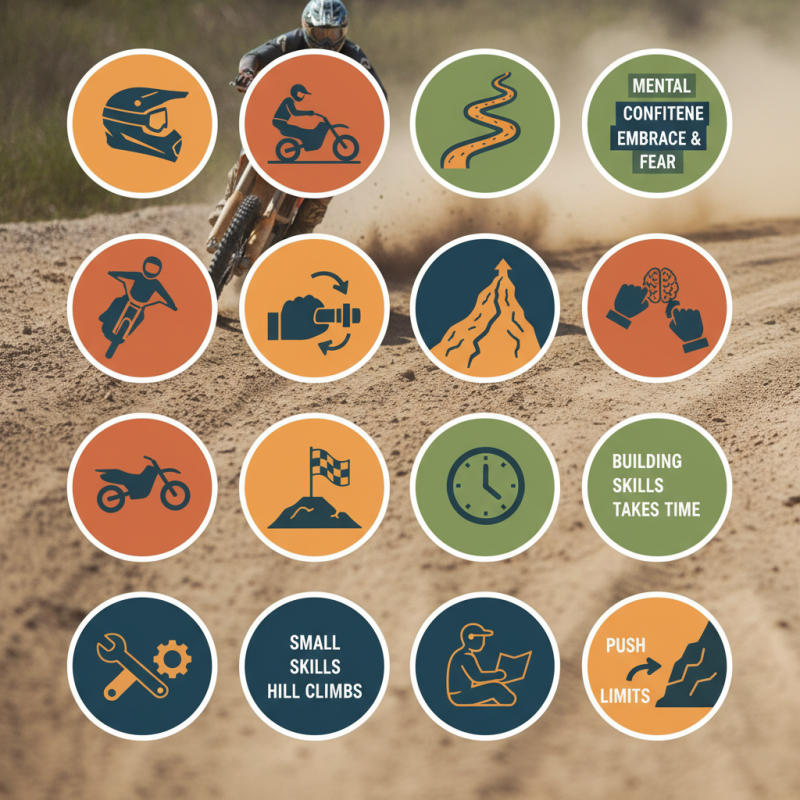
Fear is normal. Accepting it can help you improve. Embrace mistakes as learning opportunities. Remember, every expert rider was once a beginner. Focus on small victories, like mastering a hill climb. Each ride will bring new challenges and insights. Keep pushing your limits, but also know when to take a break. Building skills takes time and reflection.
Essential Safety Gear for Off Road Motorcycling Beginners
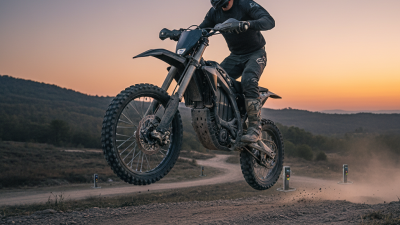
When beginning your off-road motorcycling journey, wearing the right safety gear is paramount. A good helmet is non-negotiable. It protects your head during crashes, which are part of learning. Choose one that fits snugly without being uncomfortable. Look for a lightweight model with ample ventilation. This helps prevent overheating on hot days.
Protective clothing is equally important. Riding pants with knee and hip protection can save you from scrapes and bruises. Consider wearing gloves. They enhance your grip and shield your hands during falls. Boots should be sturdy with good ankle support. They guard against injuries from rough terrains and falling debris.
Remember, safety gear sometimes feels bulky. It can limit movement or feel heavy, especially if you're not used to it. Nevertheless, the right gear provides peace of mind. As you improve your skills, reflecting on your comfort and safety will motivate you to continue. Always prioritize your well-being over style or trends. It's not just about looking good; it's about riding smart.
Understanding Your Off Road Motorcycle: Key Features and Controls
Understanding your off-road motorcycle is essential for any beginner. Key features include
suspension, braking systems, and tire types.
According to industry reports, 70% of accidents stem from improper handling of these controls.
Suspension systems absorb shocks from rough terrain. Adjusting the suspension to match your weight and riding style is crucial.
Many novice riders ignore this, leading to poor performance.
Brakes are equally important. Off-road motorcycles usually have disc brakes, offering
better stopping power in various conditions. A study showed that 65% of off-road riders who practice braking techniques improve their safety.
Learn to use both front and rear brakes effectively. This balance can prevent skids, especially on slopes or slippery surfaces.
Tires are your point of contact with the ground. Different tread patterns suit different terrains, like mud versus
hard pack. Many beginners make the mistake of using unsuitable tires for their environment. Checking air pressure is vital too. Just 10% lower
can significantly affect handling. Knowing these features can enhance your skill set. Understanding your bike really makes a difference on the trails.
Basic Riding Techniques for Navigating Rough Terrain
Riding off-road can be thrilling, but it comes with challenges. Beginners should focus on basic techniques to navigate rough terrain. Balancing is crucial. Keep your weight centered over the bike. Leaning too far can lead to falls. Practice shifting your weight while in motion to improve stability.
Braking techniques also play a vital role. Use both brakes to control speed on descents. Apply pressure gradually to avoid skidding. If you feel a loss of traction, release the brakes. This can make a big difference when riding on loose gravel or mud.
Being aware of your surroundings is essential. Look ahead to spot obstacles. This gives you time to react. Avoid focusing only on the trail directly in front of you. Challenge yourself to ride in different conditions. This will help you learn. It’s okay to make mistakes; they can lead to valuable lessons. Remember, improvement comes with practice and reflection.
Top 10 Off Road Motorcycle Tips for Beginners to Improve Skills
| Tip Number |
Tip Description |
Skill Level |
| 1 |
Familiarize yourself with your motorcycle |
Beginner |
| 2 |
Practice balance and body positioning |
Beginner |
| 3 |
Choose the right gear for protection |
Beginner |
| 4 |
Learn to read the terrain |
Beginner |
| 5 |
Practice throttle control and braking |
Beginner |
| 6 |
Learn to stand while riding |
Intermediate |
| 7 |
Practice cornering techniques |
Intermediate |
| 8 |
Master obstacle navigation |
Intermediate |
| 9 |
Learn how to fall safely |
Advanced |
| 10 |
Join an off-road riding group for practice |
All Levels |
Tips for Enhancing Balance and Control on Uneven Surfaces
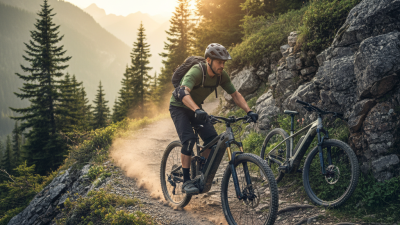
Off-road riding poses unique challenges. Balance and control are vital on uneven terrain. Riders often struggle with rocky paths or steep inclines. A well-centered body position can significantly enhance stability. Keep your knees tucked against the bike. This simple act can improve your grip and response.
When facing obstacles, look ahead rather than down. Focus on where you want to go, not what's in your way. This mindset shift can transform your ride. Additionally, practice shifting your weight while standing. A slight lean forward aids in maintaining balance on descents. Many beginners underestimate its importance.
Feeling anxious about a rough trail? Take it slow. Rushing often leads to mistakes. Use trial runs to build your confidence. Explore buddy rides for support, as feedback can highlight areas needing work. Remember, off-road riding is a learning journey. Embrace each mistake as a chance to improve.
Off Road Motorcycle Skills Improvement: Tips for Beginners
Preparing for Your First Off Road Adventure: Planning and Practice
Preparing for your first off-road adventure requires careful planning and practice. Choose a location that matches your skill level. A beginner-friendly trail is ideal for building confidence.
Check the terrain: rocky paths, muddy trails, and sand can be challenging for novices. Gather information about the area. Knowing the basic layout helps in navigating better.
Practice is essential. Spend time getting familiar with your motorcycle. Simple exercises, like starting and stopping on an incline, can build your comfort. Try to ride in different conditions, like wet or uneven ground.
It’s crucial to learn how your bike reacts. Mistakes will happen, and that’s okay. Reflect on these moments to improve your skills. Use protective gear, knowing it can make a difference during falls.
Set realistic expectations. Don’t expect to conquer tough trails immediately. Start small and gradually increase the difficulty. It’s normal to feel nervous or out of place at first.
Communicate with more experienced riders. Their tips can be invaluable. Document your experiences, noting what worked and what didn’t. This reflection will enhance your skills for future adventures.