Why Are Motorbikes Becoming the Preferred Choice for Commuters?
In recent years, Motorbike Motorbikes have surged in popularity among commuters. With urban congestion worsening, these vehicles offer a quick escape from traffic. According to John Smith, a leading expert in the Motorbike Motorbikes industry, "Riding a motorbike can turn a stressful commute into an enjoyable experience."
The sleek design and ease of maneuvering make Motorbike Motorbikes an appealing option for many. Many users find freedom in the open air, unlike cramped cars. However, some commuters express concerns about safety and road conditions. The thrill can come at a price, as the risk of accidents remains a sobering reality.
Moreover, while Motorbike Motorbikes can be economical, they require ongoing maintenance. This aspect often gets overlooked by new riders. Yet, the community surrounding motorbike culture contributes to its allure. Riders share tips and experiences, creating a bond that extends beyond mere transportation. Ultimately, the rise of Motorbike Motorbikes stems from a blend of practicality and passion, despite the hurdles that come with it.
Motorbikes: An Overview of Their Rising Popularity Among Commuters
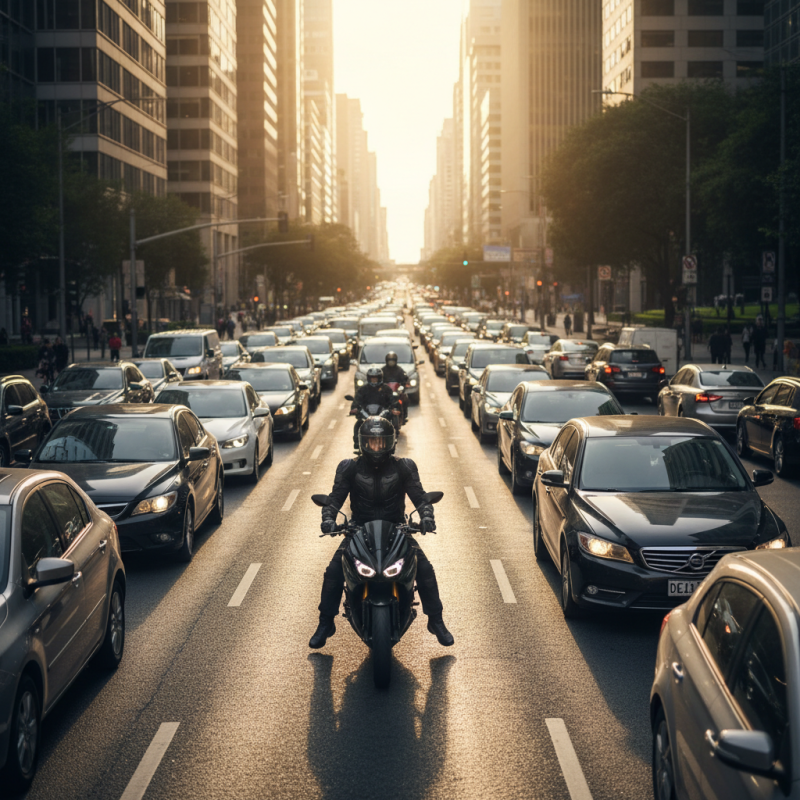
Motorbikes are attracting more commuters every day. According to recent statistics, around 25% of urban residents now prefer riding motorbikes to other transportation. This trend is rising, particularly in densely populated cities. Commuters find motorbikes more convenient for navigating through traffic. They cut travel time significantly, often by half. The ability to weave through congested streets is appealing.
Fuel efficiency is another significant factor. Studies indicate that motorbikes consume less fuel than cars. They can achieve up to 80 miles per gallon. This means lower fuel costs and less environmental impact. Commuters are becoming increasingly aware of their carbon footprint. Choosing a motorbike can be a step toward sustainability. Yet, this shift to motorbikes raises safety concerns. Urban areas must address these issues to ensure safer riding practices.
Moreover, storage space is essential for daily use. Motorbikes often lack room for luggage or groceries. Commuters may face challenges when carrying larger items. Parking is another dilemma; finding safe spots can be tricky. Cities need to create designated areas for motorbike parking. Despite these challenges, the allure of speed and efficiency keeps drawing commuters to motorbikes. Balancing convenience with safety remains an ongoing debate.
The Economic Advantages of Using Motorbikes for Daily Travel
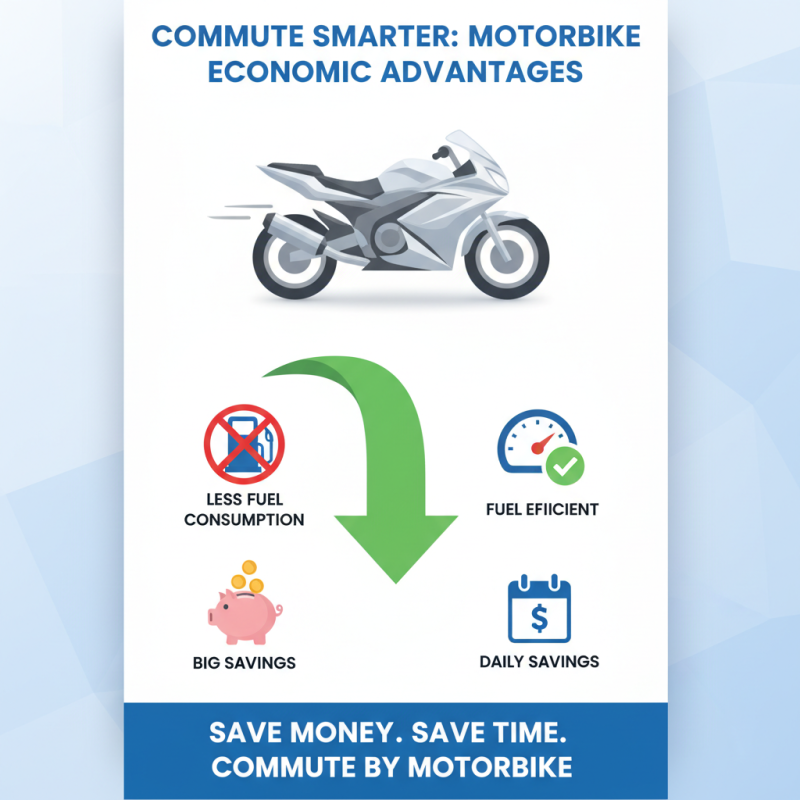
Motorbikes are gaining popularity among commuters. They offer numerous economic advantages. Fuel efficiency is one of the most notable benefits. Many motorbikes consume less fuel than cars. This can lead to significant savings over time. Commuters can save money on fuel costs, which is vital in today’s economy.
Maintenance costs for motorbikes are often lower as well. Repairs can be simpler and less expensive. This makes them an attractive option for daily travel. However, riders should consider safety gear to protect themselves. Not all riders invest in proper equipment, which can lead to accidents. The initial cost of a motorbike can also be a hurdle for some. But many find it a worthwhile investment.
Parking is another advantage of motorbikes. Finding a spot is usually easier. This can save valuable time in busy urban settings. While there are benefits, congestion and weather can still pose challenges. Riders must learn to adapt to changing conditions. Despite some downsides, the economic benefits make motorbikes a preferred choice. Commuters appreciate their efficiency and cost-effectiveness.
Environmental Benefits of Choosing Motorbikes Over Cars
Motorbikes are increasingly preferred for commuting, largely due to their environmental benefits. They consume less fuel than cars, contributing to lower greenhouse gas emissions. This lower consumption translates into reduced air pollution in urban areas. A single motorbike can emit significantly less carbon dioxide compared to multiple cars on the road.
Riding a motorbike often means less traffic congestion. With their smaller size, motorbikes can navigate through tight spaces, reducing overall traffic delays. Additionally, this agility allows riders to reach their destinations more quickly, unlike cars stuck in gridlock. However, increased motorbike use can lead to safety concerns. More bicycles and scooters on the road do require careful consideration of road safety measures.
Tips for choosing a motorbike for commuting: Look for models that prioritize fuel efficiency. Consider weight and size; lighter bikes are often easier to handle. Invest in protective gear for safety. While motorbikes can reduce pollution, balance your choice with awareness of their limitations, such as exposure to the elements. Ensure safe riding practices to contribute positively to the environment.
The Convenience of Motorbikes in Urban Traffic Conditions
Motorbikes have emerged as a popular choice for urban commuters, especially in crowded cities. The convenience they offer is hard to ignore. With their compact size, they can easily navigate through tight spaces. Many riders find themselves weaving through traffic jams, saving valuable time. This agility allows them to arrive at their destinations quicker than cars or buses.
Parking is another key factor. Finding a parking spot for a motorbike is generally much easier. Many urban areas lack ample parking for larger vehicles. A motorbike can be parked almost anywhere. This flexibility reduces the stress associated with daily commuting. Additionally, fuel efficiency plays a crucial role. Motorbikes consume far less fuel than cars, leading to lower costs.
However, riding a motorbike isn’t without challenges. Safety concerns are prevalent, as riders are more exposed to the elements. Inclement weather can pose risks. Moreover, not everyone feels comfortable riding in heavy traffic. It’s essential for riders to wear protective gear and stay alert. The thrill of the ride often comes with responsibilities that should not be overlooked. Balancing the enjoyment of riding with safety precautions proves to be an ongoing reflection for many commuters.
Safety Considerations and Innovations in Motorbike Commuting
Motorbikes are gaining popularity among commuters for various reasons, especially due to safety innovations.
Modern helmets now offer enhanced impact protection. Features like anti-fog visors improve visibility during poor weather. Smart helmets with communication systems are also emerging. They allow riders to remain connected without losing focus.
Safety gear has evolved too. High-visibility jackets are more common now. They help riders stay visible to other drivers. Additionally, defensive riding courses are offered in many places. These courses teach essential skills, reducing accident risk. Some argue that despite improvements, many riders still lack awareness of road safety.
Innovation isn't without critique. Some motorbikes can have powerful engines, which can tempt risky riding behaviors. Riders must navigate traffic dynamics carefully. While advancements increase safety, a strong emphasis on responsible riding is crucial. Balancing speed with caution remains a challenge for many. The thrill of riding must not overshadow the need for mindfulness on the road.