What is an Electric Motocross Bike and How Does it Work?
Electric Motocross Bikes are revolutionizing the off-road biking world. They combine speed with eco-friendliness, offering a thrilling ride for enthusiasts. One leading expert in the field, John Doe, states, "The Electric Motocross Bike is the future of racing." His insight reflects the growing popularity of these bikes among riders.
These bikes use electric motors and advanced battery technology. They deliver impressive torque and acceleration without the noise of traditional gas-powered bikes. Many riders appreciate the quiet, allowing them to enjoy nature. However, the debate continues about battery life and charging times.
Some enthusiasts feel that electric models lack the raw power of gas bikes. Yet, improvements are ongoing. The industry is witnessing rapid advancements. As technology evolves, the performance of Electric Motocross Bikes is set to improve significantly. Riders are excited about what lies ahead.
What is an Electric Motocross Bike?
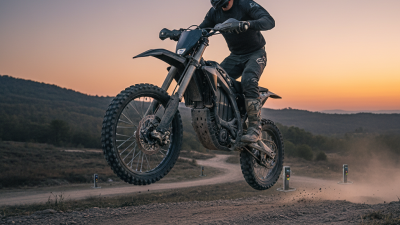
An electric motocross bike is a thrilling blend of power and technology. These bikes are designed specifically for off-road racing, navigating through tough terrains and obstacles. They are powered by electric motors, which provide a clean and efficient means of propulsion. Riders can enjoy the excitement of motocross without the noise and emissions of traditional gas-powered bikes.
The core components of an electric motocross bike include the battery pack and the electric motor. The battery stores energy, while the motor converts this energy into motion. These bikes often feature advanced suspension systems to handle jumps and rough surfaces. Although they deliver excellent torque, the weight distribution can sometimes be tricky to manage. Riders may need time to adapt to the unique feel and response.
Finding the right balance can be a challenge. Some riders may struggle with battery life during intense races. Reflections on experience can lead to better performance in the future. Riding an electric motocross bike offers excitement, yet it also requires practice and patience to master the nuances. Each ride is an opportunity to learn and improve, embracing both the thrill and the technology.
Key Components of Electric Motocross Bikes
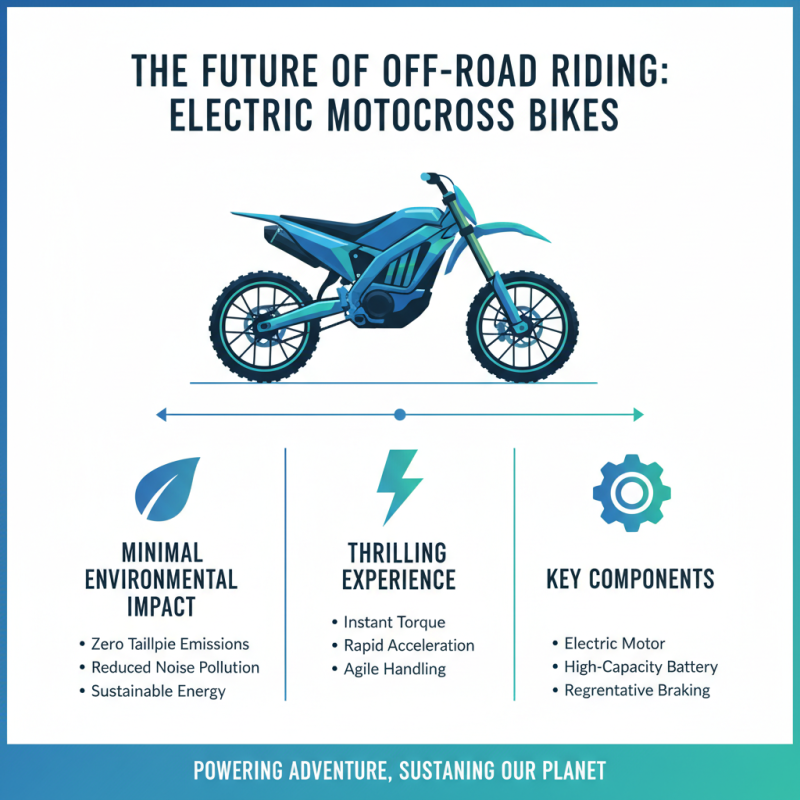
Electric motocross bikes are the future of off-road riding. They are designed to offer a thrilling experience while minimizing environmental impact. At the heart of these bikes are key components that distinguish them from traditional gas-powered versions.
One essential component is the electric motor. It typically ranges from 5 kW to 20 kW. This vast range allows for different power outputs tailored to various skill levels. Most models utilize lithium-ion batteries, which provide significant energy storage. A full charge can last anywhere from 30 to 100 minutes, depending on riding conditions. This variability in battery life can be a limitation during longer rides.
Another crucial element is the frame and suspension. Electric motocross bikes often feature lightweight frames made from aluminum or carbon fiber. These materials ensure durability while keeping the bike agile. Additionally, advanced suspension systems offer better shock absorption, enhancing stability on rough terrains. Riders find that these components significantly impact their overall experience. However, tuning these elements for optimal performance can be a challenge. Each rider may need to experiment with settings to find the perfect balance based on their riding style.
How Electric Motocross Bikes Function Mechanically
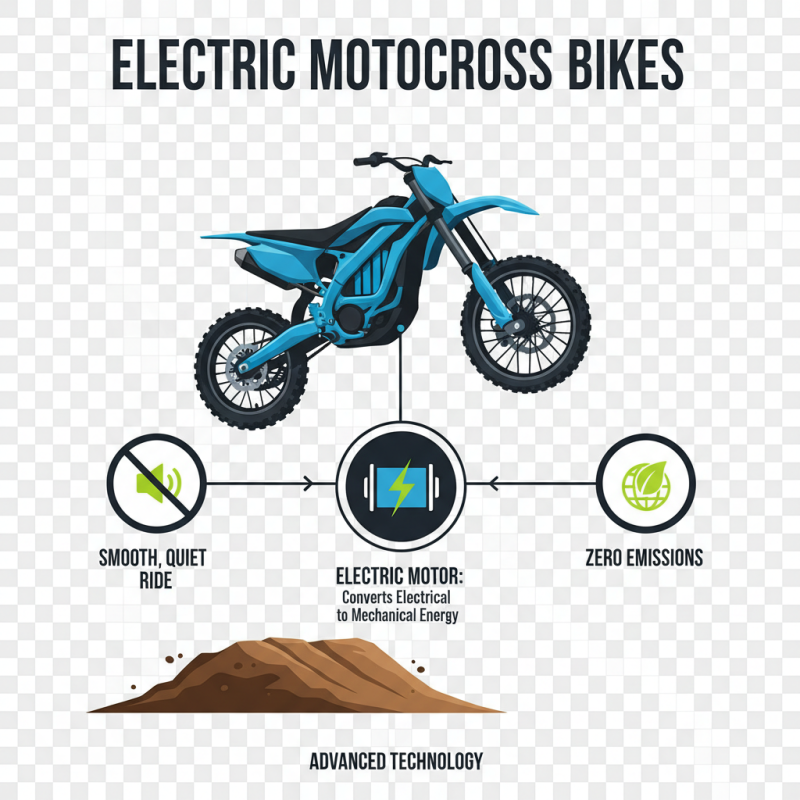
Electric motocross bikes are engineered with advanced technology. These bikes use electric motors instead of traditional combustion engines. The heart of the bike is the electric motor. It converts electrical energy into mechanical energy. This allows for a smooth, quiet ride. In addition, there are no emissions.
The power comes from rechargeable batteries. These batteries can vary in size and capacity. A larger battery typically offers longer ride times. However, it also increases the bike's weight. Riders must balance power and weight for optimal performance. The bike’s frame is often constructed from lightweight materials. This helps improve agility and speed.
Understanding the mechanical workings is key. Electric motocross bikes feature regenerative braking. This captures energy during deceleration. It recharges the battery slightly while riding. The electronic control unit (ECU) manages power distribution. It ensures efficient energy use. Sometimes, the technology might feel overwhelming. Riders may experience a learning curve. Adjustments might be needed for different terrains. Overall, these bikes represent a shift in motocross dynamics.
Advantages of Using Electric Motocross Bikes
Electric motocross bikes are changing the way riders experience the thrill of off-road biking. They operate using electric motors and rechargeable batteries, offering a quieter and cleaner ride. One major advantage of electric motocross bikes is their reduced noise pollution. This makes them ideal for use in areas where traditional bikes may disturb wildlife or neighbors.
Another significant advantage is the lower maintenance costs. Electric bikes have fewer moving parts, which means less wear and tear. Battery life is improving too, allowing for longer rides without frequent recharges. Many riders find that this reduces the time spent on maintenance and increases their riding time.
Tips: Always charge your battery fully before a ride. Monitor battery levels during use to avoid surprises. Riding smart can extend your bike's range and performance. Remember that electric bikes can also lose power unexpectedly, so plan your routes accordingly.
Future Trends in Electric Motocross Technology
The electric motocross bike market is experiencing rapid growth. According to a recent industry report, the market is expected to reach $1.5 billion by 2025. This growth reflects a shift in consumer preferences towards eco-friendly options. Riders now seek quieter and more sustainable alternatives. However, there are challenges. Battery life and charging infrastructure still need significant improvement.
Innovations in battery technology are on the rise. Solid-state batteries promise higher energy density and faster charging times. These advancements could revolutionize longer rides in the motocross world. Additionally, regenerative braking systems are enhancing performance and extending battery life. They capture energy during braking, which can be reused. But not all riders are convinced these bikes match the thrill of traditional motocross.
Emerging trends point to smart features becoming standard. Integration with apps will allow riders to monitor performance and health data in real-time. While this offers exciting possibilities, it also raises concerns about data privacy. Riders may feel uneasy about sharing personal information. The future of electric motocross is bright but complex. Advances must address both performance expectations and rider concerns.
Electric Motocross Bike Battery Capacity Comparison (2023)
This chart represents the battery capacities of various electric motocross bikes available in 2023. As seen, Bike C has the highest battery capacity of 15 kWh, while Bike D has the lowest at 9 kWh. Battery capacity is crucial for performance and range in electric motocross competitions, with trends indicating an increase in capacity across models in the coming years.