What is a Dirt Bike Small and How is it Different from Regular Bikes?
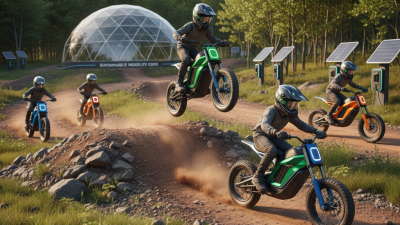
When considering the world of motorcycles, the term "Dirt Bike Small" often arises. These smaller dirt bikes cater to younger riders or those new to off-road biking. Unlike regular motorcycles, dirt bike small models are designed for maneuverability and lightweight handling. According to a recent industry report by the Motorcycle Industry Council, the sales of small dirt bikes have increased by 30% over the last five years, highlighting their growing popularity.
Expert Jake Bennett, a well-known figure in the dirt bike community, emphasizes this trend by stating, “Dirt Bike Small is the gateway for many to experience the thrill of off-road riding.” He acknowledges that these bikes can offer a safer and more enjoyable entry point for new users. They typically feature lower seat heights and lightweight frames, making them easier to control.
Still, some question whether smaller bikes compromise learning skills. While they provide a fun experience, they may lack the power and stability of regular bikes. Riders must be aware that mastering control can take time. Ultimately, the dirt bike small segment fills a crucial niche but deserves careful consideration from aspiring riders.
What Defines a Dirt Bike Small: Key Characteristics and Features
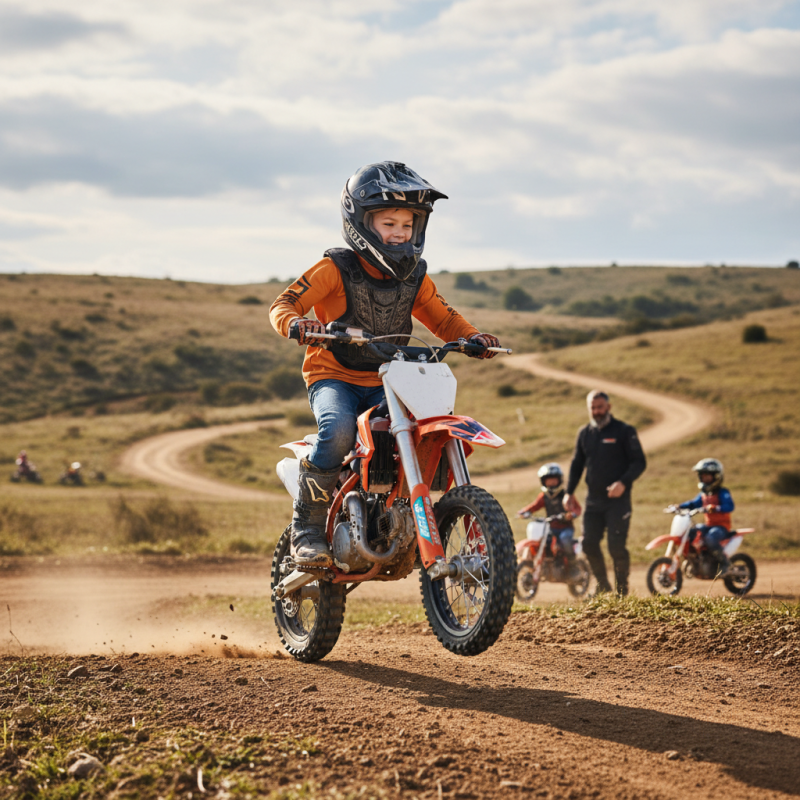
Dirt bike small, often designed for younger riders, is compact and lightweight. These bikes typically have a smaller frame and lower seat height. This design makes them easier to handle for beginners. Most dirt bike small models feature a smaller engine, usually between 50cc to 110cc. This lower power level is suitable for young or inexperienced riders.
Key characteristics include knobby tires for better traction on rough terrain. The suspension is often adjustable, allowing for a smoother ride over bumps. Safety is crucial, so many bikes come with hand guards and small, protective features. However, not all models are equal; some are underpowered, which may lead to frustration.
Many dirt bike small enthusiasts note that balance can be an issue. Younger riders might struggle with stopping properly. The learning curve can be steep for some. Riders should also consider safety gear before hitting the trails. Not every small bike is perfect for every rider, and finding the right fit takes time.
Comparing Dirt Bike Small to Regular Bikes: Design and Build Differences
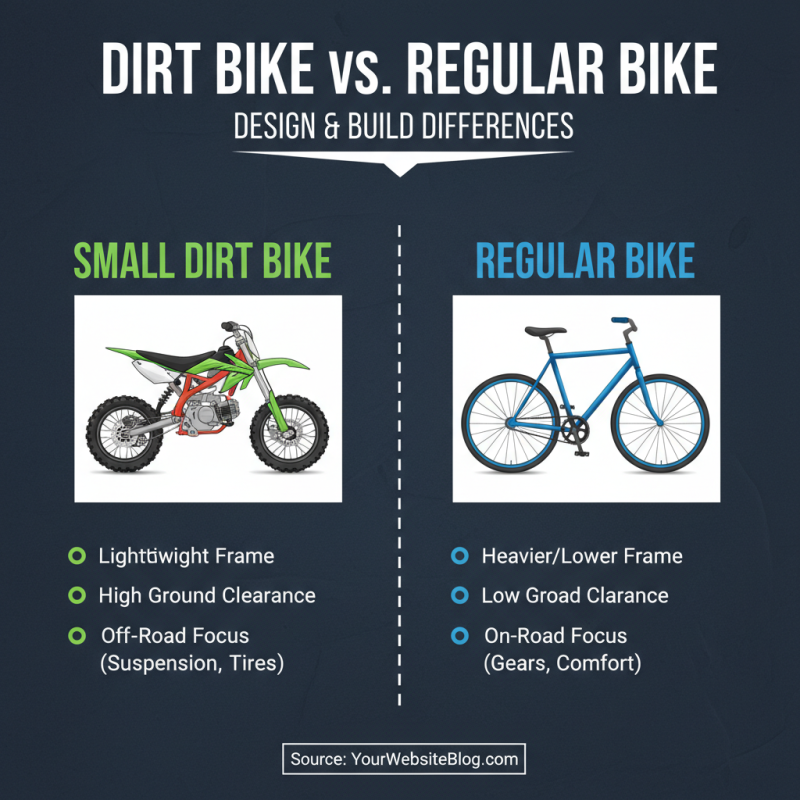
Dirt bikes, especially the smaller ones, differ greatly from regular bikes. Their design focuses on off-road capabilities. Smaller dirt bikes are lightweight, making them easy to maneuver. They have higher ground clearance, which helps navigate rough terrains. Regular bikes often have a lower frame and are built for smooth roads. This makes them less versatile for off-road adventures.
The build quality of dirt bikes is different too. They feature knobby tires for better traction on uneven surfaces. Regular bikes typically have slick tires designed for pavement. Additionally, dirt bikes usually come with long suspension travel. This allows for a smoother ride on bumpy trails. Regular bikes don’t require such features, resulting in a stiffer ride.
However, owning a dirt bike can be challenging. Maintenance can be more demanding than with regular bikes. Riding techniques differ, requiring practice. Some riders may face difficulty transitioning from regular bikes. Learning the right skills for dirt biking takes time and patience. Both types of bikes have their charm, but they serve different purposes.
Performance Variations: Power, Speed, and Handling in Dirt Bike Smalls
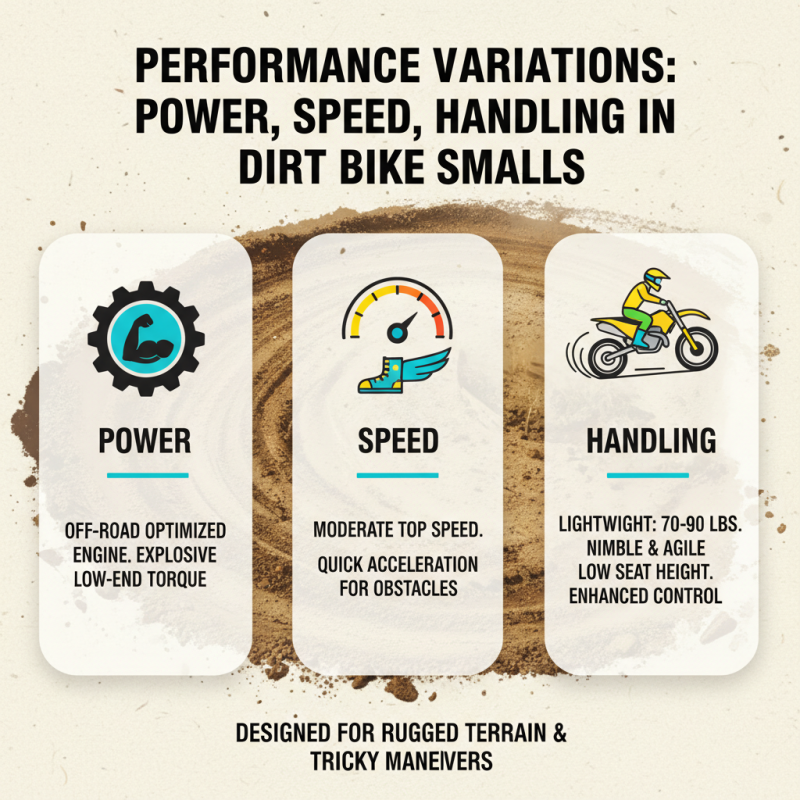
Dirt bike smalls are designed primarily for off-road adventures. Their performance varies significantly compared to regular bikes. These lightweight machines often weigh between 70 to 90 pounds, allowing for nimble handling on rugged terrain. The smaller frame and low seat height aid in controlling the bike during tricky maneuvers.
Power is another area where dirt bike smalls shine. Typically, they feature engines producing between 50cc to 110cc of displacement. This results in torque that makes climbing steep trails easier. However, their top speed is limited, usually capping around 30 to 40 mph. This is ideal for younger riders or those new to dirt biking.
Handling is crucial on uneven surfaces. Dirt bike smalls have longer suspensions, which absorb bumps effectively. Most models come with front forks that offer about 6 to 8 inches of travel, enhancing stability. While these features all contribute to a thrilling ride, they also require focus from the rider. Small flaws in technique can lead to spills, making practice essential. Many riders acknowledge this as a learning curve in mastering their skills.
Ideal Uses for Dirt Bike Small: Off-Road Adventures and Recreational Riding
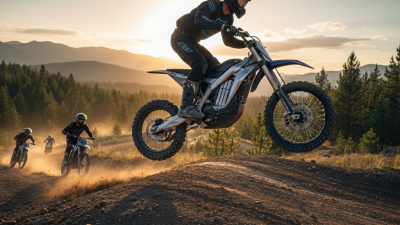
Dirt bike small offers unique opportunities for off-road adventures. These bikes are designed to tackle rugged terrains. They have a lightweight build and agile handling, making them perfect for challenging paths. Riders can easily maneuver through tight spots and jump over obstacles. This size allows for quick acceleration and playful tricks, enhancing the riding experience.
Recreational riding on a dirt bike small is exhilarating. Riders often find themselves exploring remote trails or scenic landscapes. The thrill of navigating dirt trails and rocky paths is unmatched. However, it’s essential to choose appropriate trails. Not every path is suitable for smaller bikes. Riders must consider their skill level and the bike's capabilities. Improper choices can lead to tough situations and regrets.
This type of bike invites riders to push their limits. It’s a way to enjoy nature and embrace outdoor fun. While excitement is a big part, safety should not be overlooked. Protective gear is crucial in ensuring a safe ride. Riders should assess their environments regularly. The journey can be rewarding, filled with challenges that require reflection and learning.
Choosing the Right Dirt Bike Small: Factors to Consider for Beginners
When choosing a dirt bike small, beginners should consider several factors. The bike's weight is crucial. Lighter bikes are easier to handle, especially for new riders. Think about engine size, too. Smaller engines can be less intimidating. They offer a gentle learning curve for those just starting out.
Another important aspect is seat height. A lower seat helps beginners touch the ground comfortably. This can boost confidence while riding. Also, check the bike’s suspension. Softer suspensions can absorb bumps better. They make rides smoother on rough terrains.
Don't overlook your budget. Entry-level models can vary widely in price. Aim for a balance between quality and affordability. Remember, it’s okay to feel unsure at first. Picking the perfect dirt bike takes time and practice. Explore different options, and trial rides if possible. Each experience will help you refine your choice.
What is a Dirt Bike Small and How is it Different from Regular Bikes? - Choosing the Right Dirt Bike Small: Factors to Consider for Beginners
| Feature |
Dirt Bike Small |
Regular Bike |
| Engine Size |
50cc - 110cc |
Up to 500cc |
| Weight |
Under 100 lbs |
Over 250 lbs |
| Seat Height |
26 - 34 inches |
30 - 36 inches |
| Usage |
Off-road, trails |
Road, touring |
| Tire Type |
Knobby |
Smooth |
| Brakes |
Disc |
Varies (disc or drum) |
| Skill Level Required |
Beginner to Intermediate |
Variable |