How to Choose the Best Power Bikes for Your Riding Needs?
Choosing the right Power Bikes can be challenging yet rewarding. There are numerous options available, each catering to specific riding needs. Understanding the key features allows riders to make informed choices.
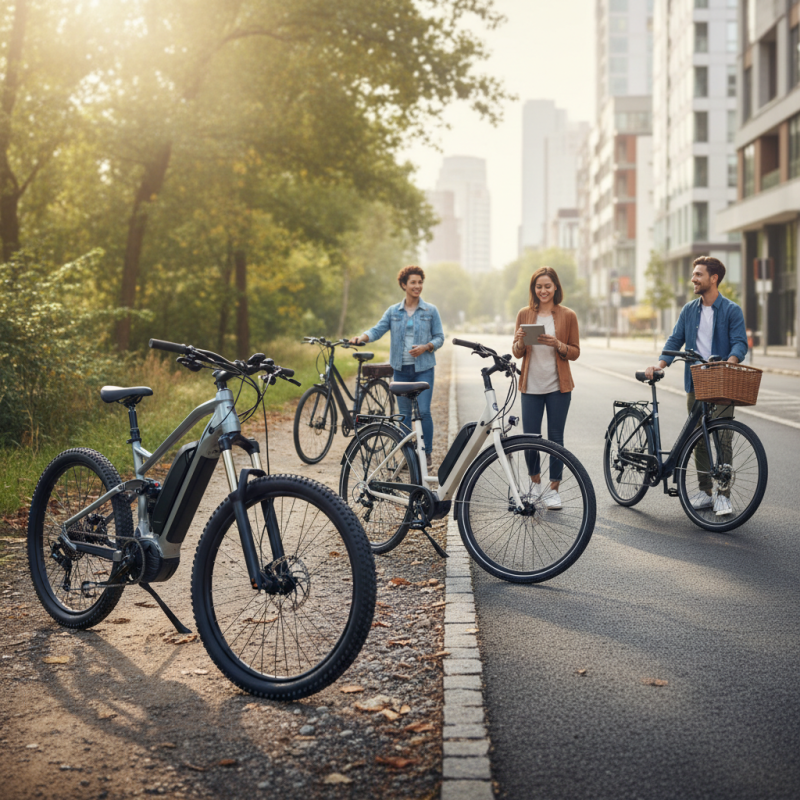
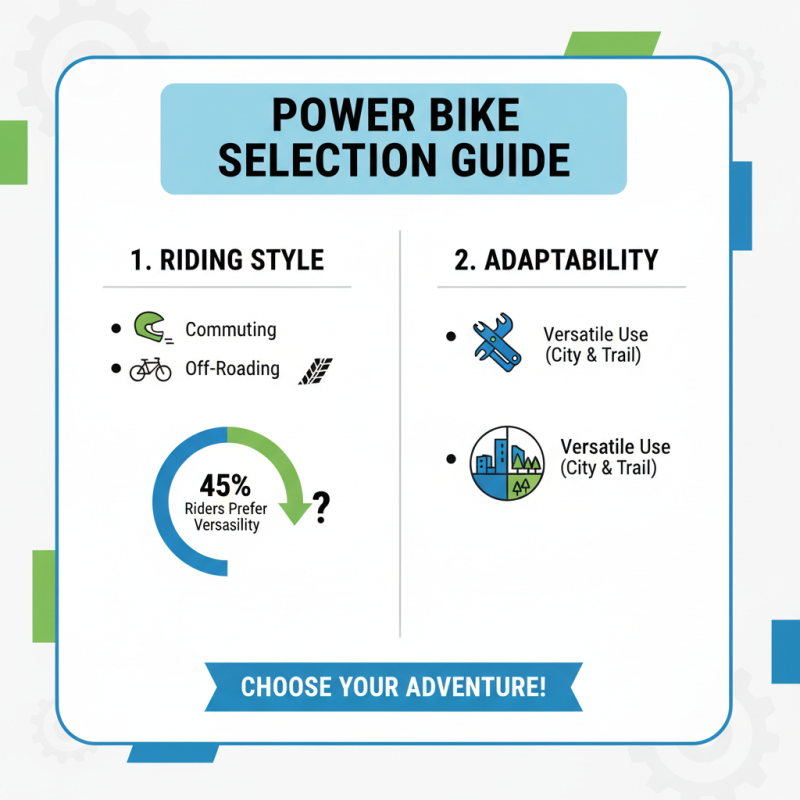
When selecting Power Bikes, consider your riding style. Do you prefer commuting, off-roading, or leisure rides? Each use case requires different specifications. For instance, mountain bikes need durable frames and robust tires. Meanwhile, city commuters might prioritize lightweight designs and comfort.
Investing time in research can unveil both the pros and cons of various models. Reviews often reveal insights that specifications may not indicate. Reflecting on personal experiences and seeking expert opinions enhances decision-making. The journey of finding the right Power Bikes is not merely about functionality, but also about connecting with your riding passion.
Factors to Consider When Choosing Power Bikes
When selecting a power bike, several critical factors come into play. Riding style is essential; choose a bike that matches your intended use, such as commuting or off-roading. According to a recent industry report, about 45% of riders prefer versatility in their bikes. This trend highlights the importance of adaptability in your choice.
Battery capacity is another significant consideration. Riders often underestimate this factor. A larger battery means longer ranges and less frequent charging. In fact, studies show that around 60% of users prioritize battery life to avoid interruptions during long rides. Tips: Always check the watt-hour rating of batteries. Higher ratings typically indicate better performance.
Weight is crucial too. Lighter bikes are easier to maneuver, especially for beginners. However, heavier bikes can provide more stability at high speeds. Finding a balance is essential. Many riders overlook comfort, too. The right bike should fit your body well for longer rides. Seek expert advice or test rides before purchasing to ensure a good fit. Tips: Assess seat height and handlebar position during your test ride for optimal comfort.
Types of Power Bikes and Their Specific Uses
When considering power bikes, it’s essential to understand the various types available. Electric mountain bikes are built for rugged trails and steep climbs. They offer significant torque, making challenging terrains easier to navigate. Riders can enjoy longer off-road adventures with less fatigue. These bikes typically feature robust frames and wide tires for stability.
Commuter power bikes are designed for urban riding. They often come equipped with features like fenders, lights, and racks. A commuter bike can make daily travel more efficient, helping riders avoid traffic. Many users appreciate the convenience they provide. However, riders need to consider battery life and charging options for their routes.
Hybrid power bikes combine the best of both worlds. They are suitable for city streets and light off-road paths. These bikes are versatile, attracting those who ride for pleasure and utility. However, selecting the right model can be challenging. It's crucial to evaluate comfort and ride quality. Features often vary significantly, and each rider's needs may differ. This diversity can lead to uncertainty about what bike best fits an individual's lifestyle.
How to Choose the Best Power Bikes for Your Riding Needs?
| Type of Power Bike |
Power Source |
Ideal Use |
Range (Miles) |
Top Speed (MPH) |
| Electric Mountain Bike |
Battery |
Off-road trails and mountainous terrain |
20-50 |
20-28 |
| Electric Road Bike |
Battery |
Paved roads and long-distance cycling |
30-80 |
28-35 |
| Commuter Electric Bike |
Battery |
Daily commuting and city riding |
20-50 |
20-28 |
| Hybrid Electric Bike |
Battery |
Mixed terrain and versatile riding |
30-60 |
20-28 |
| Folding Electric Bike |
Battery |
Easy storage and short commutes |
15-30 |
15-20 |
Assessing Your Riding Environment and Conditions
Assessing your riding environment is crucial when selecting the right power bike. Different terrains present unique challenges. For instance, if you plan to ride on rugged trails, you need a bike that can handle bumpy surfaces and steep inclines. Look for features like wide tires and robust suspension. These elements can greatly improve your comfort and safety on rough paths.
Weather conditions also play a significant role. Rain and mud can compromise traction and control. If you often ride in these conditions, consider bikes with weather-resistant components. They ensure reliability and reduce maintenance needs. Be mindful of how local climate affects your riding experience.
Lastly, think about your typical route. Commuting on city roads requires a different style of bike compared to mountain biking. Urban cyclists benefit from lightweight models and features like fenders or lights for visibility. Evaluate your surroundings honestly to ensure you choose a power bike that meets your specific riding needs. Reflect on your habits and preferences; they guide your decision-making process.
Riding Environment Assessment for Power Bikes
Understanding Power Bike Features and Specifications
When selecting a power bike, understanding features and specifications is crucial. Power bikes vary greatly in battery capacity, motor power, and overall design. Reports show that around 60% of riders prioritize battery life. A longer-lasting battery means more enjoyable rides without frequent charging interruptions. Look for bikes offering at least 400Wh for urban commuting, as higher capacities cater to longer distances.
Motor power is another critical factor. A bike with 250-750 watts of motor power tends to deliver better speed and hill-climbing ability. Data suggests that riders often struggle with low-powered motors in hilly terrains. Furthermore, weight plays a pivotal role. Lightweight bikes generally enhance maneuverability, making them ideal for city rides. However, some may find lightweight models less stable, particularly on rough terrains.
Don't overlook the bike's build quality. Many riders express concerns about durability over prolonged use. Materials such as aluminum or carbon fiber offer solid performance but might come with higher costs. A reliable frame ensures longevity, though some riders find it challenging to balance budget and quality. Customization options, like adjustable seats and handlebars, provide personalized comfort but can complicate buying decisions, leaving some unsure about the best fit for their needs.
Budgeting for Your Power Bike Investment
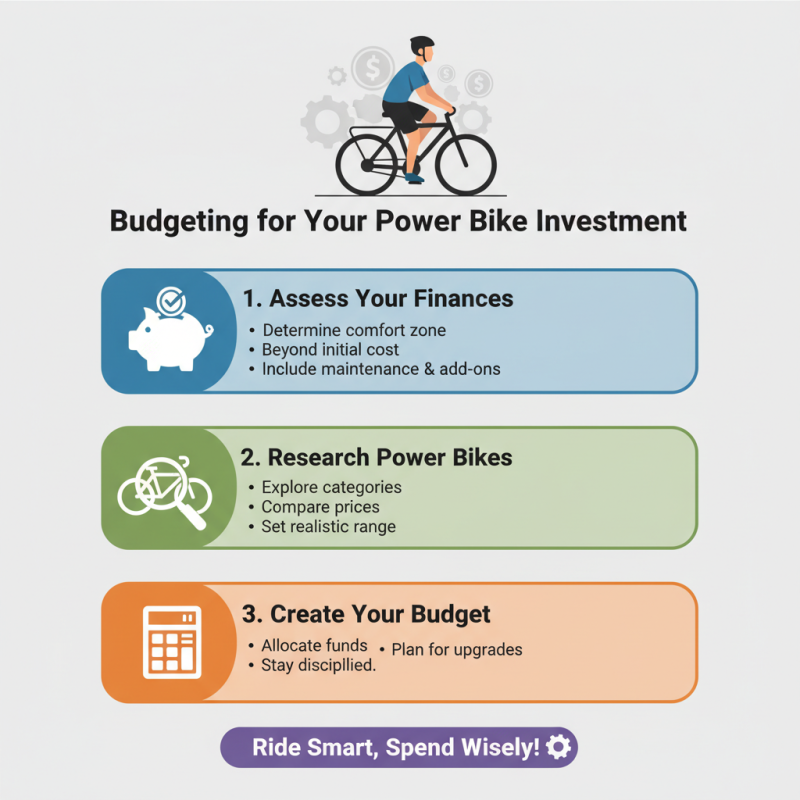
Budgeting for your power bike investment requires a clear understanding of your financial situation. Start by determining how much you can comfortably spend. This involves not just the bike’s initial cost but also maintenance and add-ons. Research typical prices for power bikes in various categories. This will help establish a realistic budget range.
Consider potential hidden costs. Insurance, gear, and tires can quickly add up. Make a list of all possible expenses. Factor in how often you plan to ride. If you ride frequently, investing more in a durable model makes sense. However, if you’re uncertain about your commitment, a more modest option may be wiser.
Evaluate financing options too. Some retailers offer payment plans, which can ease the financial burden. But beware of high-interest rates. It’s essential to read the fine print. Look for a balance between affordability and quality. Prioritize features that match your riding style to avoid overspending on unnecessary features.