Leave Your Message

How to Choose the Best Trail Motorcycle?

Choosing the right Trail Motorcycle is not simply a matter of engine size or brand reputation. It is a practical decision about terrain, rider skill, maintenance, and transport. A lightweight model may feel calm on a narrow forest path, yet become tiring on long gravel sections. A larger motorcycle may offer stability, but its weight can become a serious problem after a slow-speed fall.

Industry data supports a careful approach. The Motorcycle Industry Council’s 2023 Motorcycle Industry Economic Impact Study estimated that motorcycling contributes more than $50 billion annually to the U.S. economy. However, broad industry reports often group trail, dual-sport, and off-road motorcycles together. That classification can hide important differences in suspension travel, street equipment, fuel range, and service intervals. Market forecasts from Grand View Research also show continued growth in the global off-road motorcycle sector, but forecasts should not replace a real comparison.

Your riding environment matters more.

A useful evaluation begins with the ground beneath the tires. Loose sand demands different traction than wet roots or rocky climbs. Seat height, curb weight, wheel size, and low-speed control can matter more than peak horsepower. The Motorcycle Safety Foundation emphasizes training, protective equipment, and controlled practice, while manufacturers publish load limits and maintenance schedules that deserve close attention.

This guide will compare Trail Motorcycle categories through a realistic lens. It will examine engine sizes, suspension behavior, ergonomics, reliability, ownership costs, and beginner-friendly features. No single model fits every rider. Even experienced riders sometimes choose too much motorcycle, then regret it on the first difficult trail.

How to Choose the Best Trail Motorcycle?

Define Your Trail Riding Goals and Typical Terrain

How to Choose the Best Trail Motorcycle?

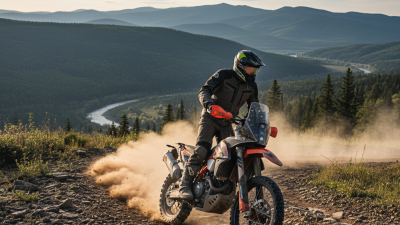
Choosing the best trail motorcycle starts with an honest description of your riding goals. Do you want relaxed forest rides, technical climbs, or long backcountry days? A lightweight motorcycle suits narrow paths and frequent balance corrections. A stronger model may carry luggage and handle open dirt roads more comfortably. Think about your experience, too. New riders often progress faster on a manageable motorcycle with predictable power. Be specific.

Your typical terrain should influence every major choice. Loose sand needs steady torque and controlled throttle response. Mud favors useful ground clearance and tires that shed debris. Rocky trails demand strong suspension, protective components, and precise low-speed control. Tight wooded paths reward a short wheelbase and low weight.

I once selected a motorcycle for engine power instead of trail width. It felt impressive on open ground, but tiring between trees. That mistake still shapes my recommendations.

Seat height matters when stopping on uneven ground. You should reach the surface confidently, even if one foot touches first. Check the motorcycle’s weight with a full fuel load, not only its advertised figure.

Suspension settings should match your body weight and riding pace. A softer setup may feel comfortable, but it can bottom out on repeated impacts. Inspect service access, lighting, cooling protection, and available adjustment range. A short test ride can reveal more than a specification sheet. Pay attention to wrist fatigue, clutch control, and how naturally the motorcycle turns.

Compare Motorcycle Types, Engine Sizes, and Off-Road Capabilities

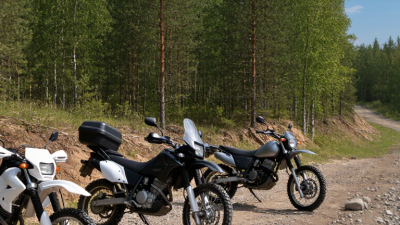
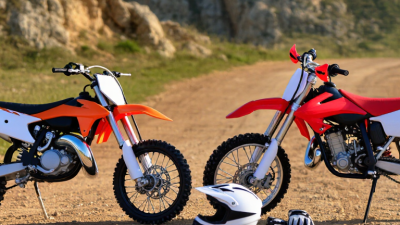
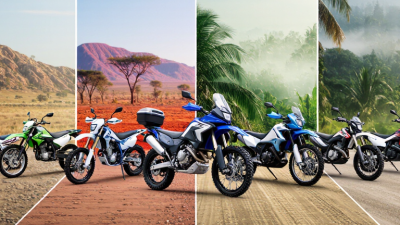
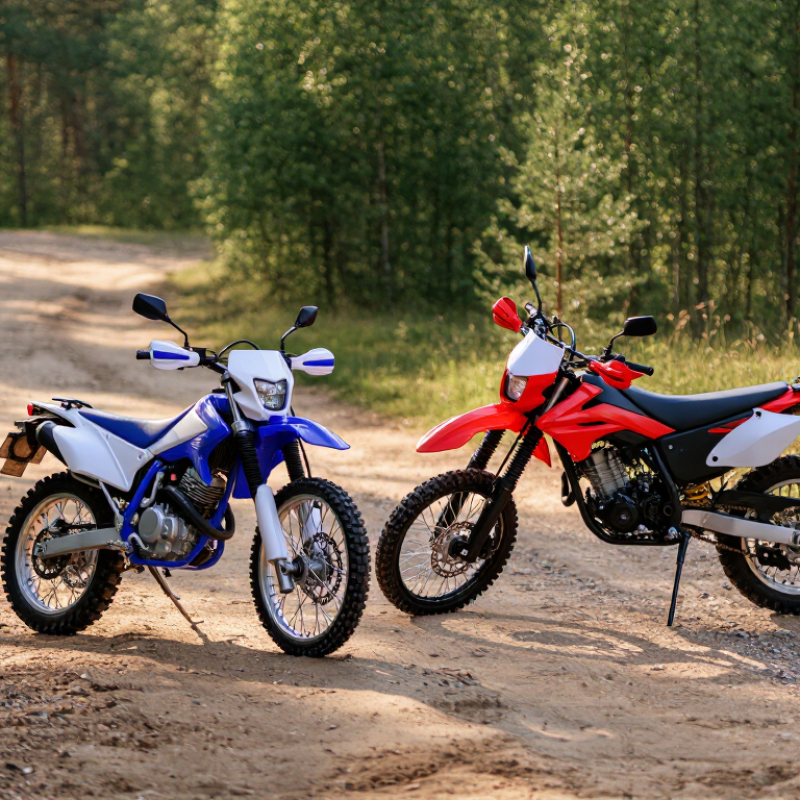
Choosing a trail motorcycle starts with terrain, not engine bragging rights. A lightweight dual-sport suits gravel roads, narrow tracks, and occasional pavement. Enduro motorcycles handle deeper ruts, loose stones, and steep climbs better. Larger adventure motorcycles carry luggage comfortably, but their weight becomes obvious in soft mud.

Engine size changes the riding experience. Engines below 300cc usually feel manageable on slippery climbs and technical trails. Mid-sized engines, around 400cc to 700cc, balance highway speed with reasonable control. Larger engines deliver strong acceleration, but they demand better throttle discipline. Grand View Research valued the global motorcycle market at about $106.8 billion in 2023, showing broad demand, not proof that bigger bikes perform better off-road.

Suspension travel, ground clearance, wheel size, and protection matter more than showroom power. A 21-inch front wheel can roll over roots more calmly than a smaller road-focused wheel. Check adjustable suspension, spoke wheels, sump protection, and tire availability. The Insurance Institute for Highway Safety reports that motorcycle ABS is associated with a 22% reduction in fatal crash involvement. That benefit matters on wet asphalt after a trail ride. I have also found that a tall seat can exhaust shorter riders quickly. Specs do not reveal everything. Sit on the motorcycle, lift it from the ground, and test slow-speed balance before deciding.

How to Choose the Best Trail Motorcycle?

Comparing motorcycle types, engine sizes, and off-road capabilities

Lightweight dual-sport and enduro motorcycles generally provide the strongest off-road performance because their lower mass, narrow profiles, and long-travel suspension are easier to control on technical terrain. Midweight dual-sport motorcycles offer a practical balance between trail handling and road comfort, while large adventure motorcycles provide stronger highway performance but are more demanding off-road. Engine figures shown are representative midpoints of commonly published specifications for each motorcycle class. The off-road capability index is a comparative 1–5 guide based on typical weight, wheel size, suspension travel, ground clearance, and chassis design.

Evaluate Suspension, Ergonomics, Weight, and Seat Height

How to Choose the Best Trail Motorcycle?

Suspension should match your real riding, not an impressive specification sheet. For rocky trails, inspect damping control, adjustability, and usable travel. Measure rider sag with your normal gear, because luggage changes the motorcycle’s balance. A practical target is about 25–30% of total travel for rider sag, although terrain and suspension design can alter that figure. I once set sag without wearing boots. That shortcut was wrong.

Ergonomics become obvious after several hours. Your knees should bend naturally, and your wrists should remain relaxed while standing. Check handlebar width, footpeg position, and control reach before judging comfort. A lower seat height helps confidence, but excessive padding reduction can create painful pressure points. Stand on the motorcycle. Move slowly.

Weight matters most when lifting the motorcycle, threading between trees, or correcting a slide. Compare ready-to-ride weight, not dry weight, because fuel, fluids, and tools add real mass. The National Highway Traffic Safety Administration’s Traffic Safety Facts 2022 reported 6,084 motorcycle fatalities in the United States. It also found motorcyclists were about 28 times more likely to die per mile traveled than passenger-vehicle occupants. That risk makes predictable handling valuable. A motorcycle that feels manageable at walking speed may be the better technical choice. My own preference still needs questioning, especially when a taller seat promises more suspension clearance.

Check Reliability, Maintenance Needs, and Ownership Costs

Choosing the best trail motorcycle starts with reliability, not impressive showroom figures. In my experience, ordinary details reveal the most. Cold-start the motorcycle after sitting overnight, if possible. Listen for an uneven idle, rattling, or smoke from the exhaust. Check the frame, wheel bearings, chain, cables, and suspension seals for damage. A clean appearance can hide hard use. Ask for service records, then compare their dates and mileage with the motorcycle’s condition. If the seller cannot explain a repair, treat that gap as a cost.

Maintenance needs often decide whether weekend riding stays enjoyable. Simple access to the air filter, oil drain, and valve-check points saves time in a small garage. After dusty rides, I inspect the filter and spokes before washing the motorcycle. That habit helps prevent grit and loose hardware from becoming expensive problems. Still, maintenance schedules are not promises. Deep mud, water crossings, and frequent high-rev riding can shorten service intervals. Use the owner’s manual as a baseline, then adjust it to your terrain and riding hours. Skipping one inspection feels harmless until a minor fault reaches the engine.

Ownership cost includes more than the purchase price. Estimate fuel, tires, tubes, chain kits, brake pads, fluids, insurance, storage, and protective equipment. Trail tires may wear quickly on rocky ground. Frequent punctures can change the budget. Compare two years of realistic upkeep, not only today’s cheapest listing. I once underestimated transport and small replacement parts. That mistake mattered. Leave room for surprises, because used motorcycles rarely follow a perfect spreadsheet.

Match Safety Equipment and Essential Features to Your Riding Plans

How to Choose the Best Trail Motorcycle?

Your riding plan should shape both the motorcycle and your safety equipment. A short forest ride needs different preparation from an all-day mountain route. I learned this after wearing a light jacket on a cold, wet trail. It offered little protection and became heavy with rain. Weather changes quickly, even under thick trees.

Choose a properly certified helmet with a secure fit and clear ventilation. Goggles help when dust, branches, or mud reduce visibility. Wear gloves with firm palm protection and boots that support your ankles. Knee protection and a chest protector can reduce injuries during slow falls. Check every strap before riding. Small gaps matter.

A hydration pack, basic tools, and a compact first-aid kit are also practical. I once carried too much gear, though, and fatigue affected my control.

The motorcycle should match your terrain and confidence. A manageable engine makes slippery climbs less stressful. Strong low-speed control is more useful than impressive top speed.

Look for protective hand guards, a sturdy skid plate, reliable brakes, and suspension clearance for rocks and roots. Tubeless or easily repairable tires can simplify remote travel.

Seat height deserves honest attention; touching the ground may help beginners, but it can limit suspension movement. My early choice was too tall, and stopping on uneven ground felt awkward. Test the controls while standing, not only while seated. Check fuel range against your planned distance, because estimates often change in deep sand, cold weather, or steep terrain.