Leave Your Message

How to Choose the Best Electric Sports Motorcycle?

Choosing among Electric Sports Motorcycles requires more than comparing battery size or top speed. A serious buyer should examine riding range, charging time, motor response, braking performance, suspension quality, and long-term service support. Numbers can look impressive on a showroom screen. Real roads are less forgiving.

Damon Motorcycles founder Jay Giraud has described the industry’s direction simply: “The future of motorcycling is electric.” That view matters, but it should not end the discussion. Electric power delivers instant torque, quiet acceleration, and fewer mechanical components. However, charging access, battery weight, tire wear, and cold-weather range still affect daily ownership. Some models feel agile through a tight corner. Others feel heavy when pushed into a garage.

This guide will help readers assess Electric Sports Motorcycles through practical evidence, not promotional claims. We will consider performance figures, rider ergonomics, safety technology, battery durability, and total ownership cost. A motorcycle with the highest peak power may not be the best choice for commuting or weekend touring. That is easy to forget.

Personal experience also matters. A tall rider may dislike an aggressive riding position. A new electric rider may need time to understand regenerative braking. Test rides can reveal details that specifications cannot. No model is perfect. The right decision depends on roads, charging habits, riding confidence, and honest expectations.
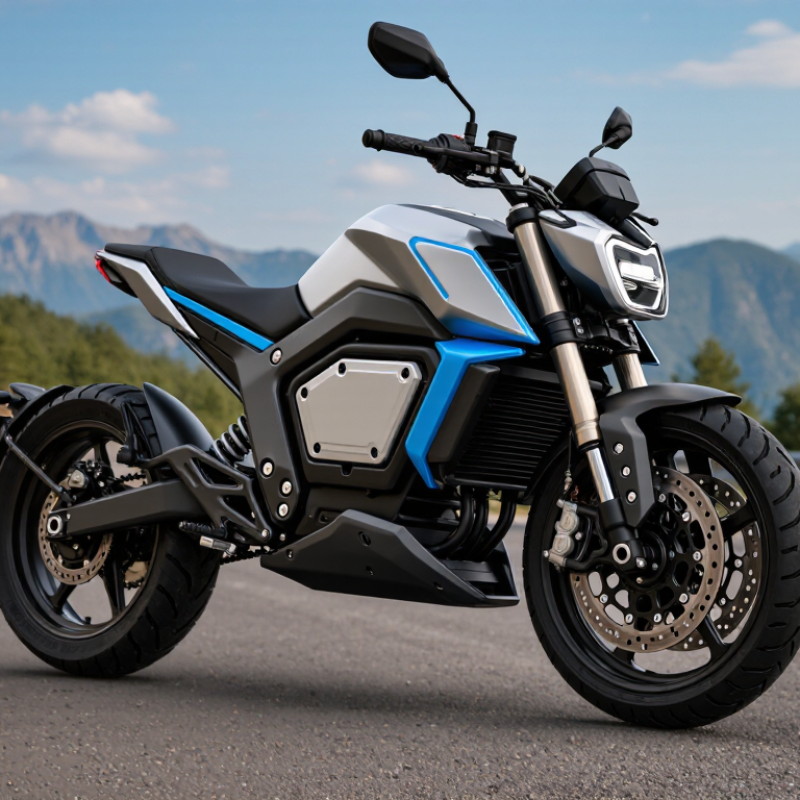
How to Choose the Best Electric Sports Motorcycle?

Define Your Electric Sports Motorcycle Riding Goals

How to Choose the Best Electric Sports Motorcycle?

Define Your Electric Sports Motorcycle Riding Goals

Start with the ride. Decide where, how, and why you will ride before comparing specifications. A short urban commute needs different performance than weekend mountain roads. Mark your usual route, average speed, traffic density, and available charging points. The International Energy Agency’s Global EV Outlook 2024 identifies electric two- and three-wheelers as the most electrified road segment, with roughly one quarter of global sales becoming electric in 2023. That growth does not make every model suitable for your routine.

For spirited riding, evaluate usable range rather than the advertised maximum. High speeds, cold weather, hills, and repeated acceleration can reduce it sharply. A 120-kilometre claim may feel much smaller on a fast, winding road. Check battery capacity, charging time, motor output, braking hardware, tire dimensions, and suspension adjustment. The U.S. Department of Energy notes that driving behavior, temperature, and terrain strongly influence electric-vehicle energy consumption. The same principle applies here.

Take a careful test ride. Feel the throttle response at low speed, then test stability during firm braking. Notice wrist pressure, seat support, mirror vibration, and battery weight when reversing. I would not trust a single showroom ride completely. It cannot reproduce rain, fatigue, or a crowded commute. Your priorities may also change after one month of ownership. Recheck your route, charging habits, and comfort before choosing maximum power.
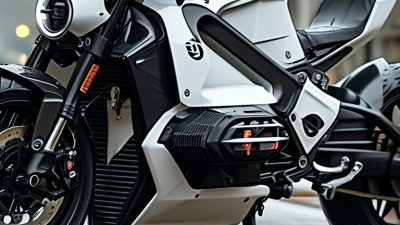
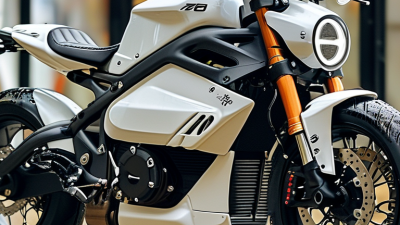
Compare Motor, Battery, Range, and Charging Performance

Choosing an electric sports motorcycle requires more than checking peak speed. Motor output affects acceleration, corner exit control, and highway performance. A 70-kilowatt motor may feel thrilling, but smooth throttle mapping matters more in daily riding. During a test ride, check low-speed balance and braking response. Aggressive power delivery can become tiring in traffic.

Battery capacity shows potential, not guaranteed distance. Look for usable capacity, thermal management, and charging limits. A larger battery may extend range, but it also adds weight. That extra mass can affect cornering and stopping distances. Real range changes with speed, temperature, passenger weight, and frequent acceleration. On a cool morning, a motorcycle may travel noticeably fewer kilometers than its published figure. Published figures are useful, but they are not promises.

Charging performance deserves equal attention. Check the connector type, maximum charging rate, and whether the onboard charger suits your home supply. A fast charger can restore meaningful range during a short break, while standard home charging may need several hours. Home charging overnight is convenient. Still, public charging access matters for longer rides. I prefer comparing independent road tests with technical specifications, because one source can miss practical weaknesses. My estimates can still be wrong in winter or heavy rain. That uncertainty deserves attention before purchase.

Evaluate Handling, Safety Systems, and Rider Ergonomics

How to Choose the Best Electric Sports Motorcycle?

Handling should be tested before power figures. A quick launch can hide poor balance. At low speed, check whether the motorcycle feels predictable, not nervous. On a test ride, I look for smooth steering near a tight parking-lot turn. The bars should not force my wrists outward. A low center of gravity helps, but battery weight can make direction changes feel slow. This is easy to underestimate.

Safety systems deserve measurable attention. The Insurance Institute for Highway Safety reported that motorcycle antilock braking systems were associated with a 22% lower fatal crash rate. That does not make ABS a substitute for skill. It can, however, reduce braking mistakes during sudden hazards.

NHTSA’s Traffic Safety Facts 2022 recorded 6,084 motorcyclist deaths in the United States.

Therefore, examine ABS behavior, traction control, brake feel, lighting, and warning displays. Test them calmly. A screen with many settings may still distract.

Rider
Ergonomics

Rider ergonomics decide whether performance remains usable after an hour. Sit naturally, then check knee bend, reach, seat pressure, and mirror visibility. Your hips should not slide forward under braking. Your hands should stay relaxed. I sometimes prefer a slightly taller bar, although that choice can reduce front-end feedback. That is a compromise, not a defect.

Check adjustable suspension, because an incorrect preload setting can make a capable motorcycle feel harsh or vague. Davis and colleagues’ motorcycle ergonomics research, published through SAE technical literature, links posture and control reach with rider comfort and workload. Small discomfort becomes a safety issue when attention fades.

Check Build Quality, Technology, Maintenance, and Warranty

How to Choose the Best Electric Sports Motorcycle?

Build quality should be your first physical inspection. Look closely at frame welds, fasteners, cable routing, and panel alignment. Uneven welds may signal rushed production. Lift the motorcycle slightly and check for unusual movement. The controls should feel firm, not loose. During a test ride, listen for rattles over rough pavement. A stable chassis matters more than aggressive styling. I once focused too much on acceleration and overlooked a poorly protected charging socket. That was a useful mistake.

Technology should improve control, not create distraction. Check battery data, riding modes, traction control, and regenerative braking settings. The display must remain readable in strong sunlight. Test whether the controls work with gloves. Ask how software updates are installed and whether diagnostic records can be accessed by authorized technicians. A large battery is not automatically better. Weight, cooling, and charging speed also affect daily performance.

Maintenance details often decide long-term value. Inspect brake-pad access, tire availability, belt or chain adjustment, and battery cooling vents. Ask for realistic service intervals, not optimistic estimates. Warranty terms deserve careful reading. Confirm coverage for the battery, motor, charger, and electronic controls. Check mileage limits, transfer conditions, and exclusions for water damage or track use. Keep receipts and service records. Small details matter. A generous warranty means little when its language is vague.

How to Choose the Best Electric Sports Motorcycle? - Check Build Quality, Technology, Maintenance, and Warranty

Evaluation Dimension Suggested Weight Reliable Evidence to Check Strong Target Warning Signs
Frame and chassis construction 15% Frame material, weld consistency, steering-head alignment, swingarm rigidity, fastener quality, and documented load rating. Even welds, no visible distortion, corrosion-resistant finishes, and a chassis tested for the intended road or track use. Uneven weld beads, unexplained frame repairs, loose hardware, exposed corrosion, or no published technical documentation.
Suspension and braking hardware 12% Fork and rear-shock adjustability, brake-disc condition, hydraulic leaks, pad thickness, ABS availability, and replacement-part access. Suspension settings suitable for rider weight and use, strong hydraulic brakes, and road-legal ABS where required. No adjustment range, spongy brake lever, leaking seals, warped discs, or unavailable wear parts.
Battery safety and usable capacity 15% Battery chemistry, nominal voltage, usable kWh, thermal management, protection circuitry, charging limits, and safety certifications. A clearly documented battery-management system, temperature monitoring, over-current protection, and a stated usable-energy figure rather than only a gross capacity. No battery specifications, no thermal protection information, unexplained range claims, or charging instructions that conflict with the manual.
Motor and power delivery 10% Continuous and peak power, torque measurement method, motor cooling, riding modes, traction control, and speed limitations. Clearly separated continuous and peak ratings, predictable throttle response, thermal derating protection, and configurable riding modes. Peak figures presented as continuous output, abrupt throttle response, overheating under repeated acceleration, or no temperature protection.
Charging performance 8% AC input rating, supplied charger output, charging connector, charge-time test conditions, charge scheduling, and public-charging compatibility. A published charge time from a defined state of charge, charger protections, and a connector supported by local infrastructure. Charge time quoted without starting and ending battery percentages, proprietary equipment with no replacement path, or frequent charger faults.
Control software and rider technology 10% Display readability, diagnostic codes, over-the-air update policy, smartphone functions, GPS features, traction control, and data privacy terms. Stable software, useful diagnostics, readable display in sunlight, secure updates, and essential riding functions available without a permanent subscription. Unresolved software bugs, mandatory connectivity for basic riding, unclear data collection, or updates that can disable the vehicle without support.
Real-world range and performance consistency 10% Independent test results, rider load, ambient temperature, speed, terrain, tire pressure, and performance after repeated acceleration. Range data reported under repeatable conditions, with a reserve suitable for the planned route and predictable output as charge decreases. Only ideal laboratory figures, large unexplained differences between tests, or severe power reduction at moderate battery levels.
Maintenance requirements 8% Service intervals, belt or chain inspection, brake-fluid schedule, tire specifications, software diagnostics, and high-voltage service procedures. Fewer drivetrain wear items than a combustion motorcycle, but with a clear schedule for tires, brakes, suspension, bearings, and high-voltage inspections. No service manual, no trained service location, inaccessible diagnostic tools, or unclear high-voltage safety procedures.
Warranty and battery coverage 7% Warranty duration, mileage or operating-hour limits, battery capacity threshold, exclusions, labor coverage, transferability, and claim procedure. Separate written coverage for the battery and vehicle, a defined capacity-retention threshold, transparent exclusions, and an accessible claim process. Verbal promises only, battery exclusions hidden in fine print, no capacity threshold, or warranty service available only in another region.
Parts, service network, and total ownership cost 5% Availability and prices of tires, brake components, chargers, body panels, battery modules, diagnostic work, insurance, and registration. Common wear parts available locally, documented labor rates, repairable components, and a realistic five-year cost estimate. Long parts lead times, battery replacement priced close to the vehicle value, or no local technician trained for high-voltage systems.
Recommended scoring method: Rate each dimension from 1 to 5, multiply the rating by the suggested weight, and compare the weighted totals. A score of 5 means the motorcycle provides verified, transparent evidence and meets the strong target; a score of 3 means the information or performance is adequate but has limitations; a score of 1 means the evidence is missing or presents a significant safety, reliability, or ownership risk.

Balance Purchase Cost, Ownership Expenses, and Future Value

Choosing an electric sports motorcycle requires more than comparing showroom prices. The cheaper model may need expensive charging equipment, specialist tyres, or frequent software servicing. Request a written ownership estimate covering electricity, insurance, maintenance, financing, and battery coverage. A home charger can reduce daily friction, but installation costs vary sharply by building and local wiring.

Battery economics matter. BloombergNEF reported an average lithium-ion battery pack price of $139 per kWh in 2023, down 14% from 2022. That trend supports lower replacement costs over time, but motorcycle packs remain smaller and less standardized than car batteries. Check the battery’s usable capacity, cooling system, warranty mileage, and replacement price. A ten-minute test ride will not reveal winter range loss or charging delays.

Future value is harder to predict. The International Energy Agency identifies electric two- and three-wheelers as a leading electrified road segment, especially in urban markets. That growing demand may support resale interest, yet rapid technical change can weaken older models. Service records, healthy battery diagnostics, available parts, and transferable warranty terms can matter more than acceleration figures. I would also inspect charging connectors and brake wear personally. I once underestimated insurance and registration costs; the purchase looked sensible until the annual bill arrived. Leave room for that mistake.