How to Choose the Best Sports Electric Bike for Your Adventure?
Choosing the right Sports Electric Bike can be challenging. Experts emphasize the importance of understanding your needs. John Smith, a renowned bike expert, states, "A great bike should match your adventure style." With numerous models available, it’s crucial to consider features that enhance your experience.
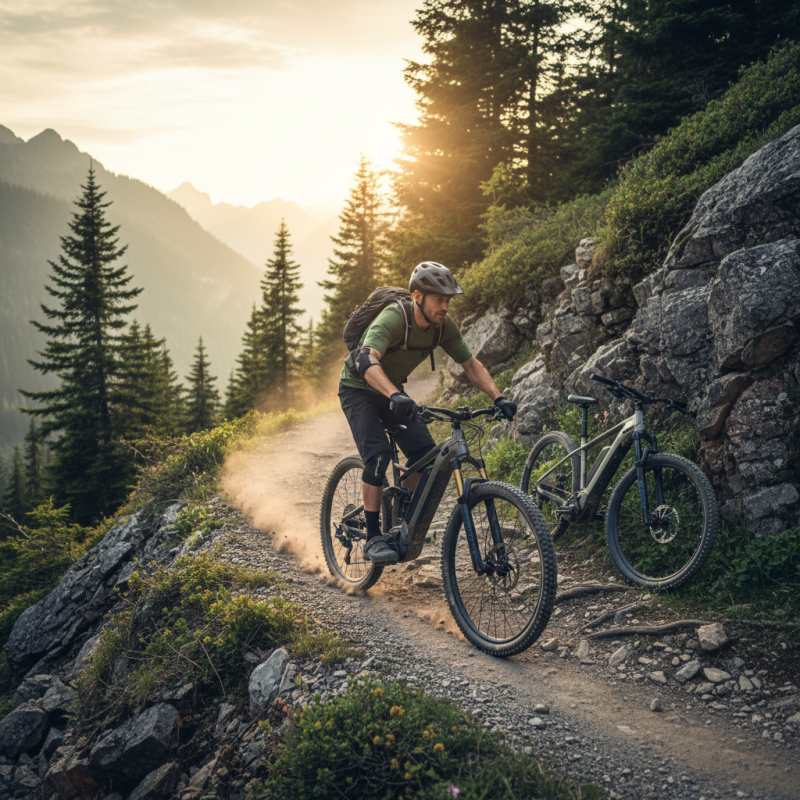
Think about where you’ll ride it. Will it be on steep trails or flat paths? Each bike serves different terrains. For instance, lightweight models are ideal for uphill rides. However, they might lack stability on rugged surfaces.
Also, consider battery life and motor power. These elements directly affect your ride’s quality. A bike with high torque can tackle tough hills better than a standard one. Reflect on how much speed you want. Finding the perfect balance is essential. In the end, a Sports Electric Bike should not only be a tool but also a companion for your adventures.
Understanding Your Adventure Needs for an Electric Bike
Choosing the right electric bike for your adventure requires understanding what you need. Think about where you’ll ride. Is it rugged off-road terrain or smooth city paths? The type of landscape will influence your decision significantly. For hills and tougher trails, a bike with a powerful motor might be essential. However, lighter models could suffice for flat areas.
Also, consider the distance you plan to cover. Longer rides demand better battery life and comfort features. Are you prepared for potential battery anxiety? When power runs low, will you be stranded or able to find a charging point? Think about weight, too. A heavier bike can be cumbersome when navigating tricky spots.
Finally, reflect on your riding style. Are you a thrill-seeker or someone who enjoys a leisurely pace? This can determine your choice of bike features. Don’t rush through the process. Take time to test models. There might be unexpected challenges; some bikes may not meet your comfort expectations. Riding should be enjoyable, not a source of frustration. Consider all these details carefully for a fulfilling adventure.
Key Features to Look for in Sports Electric Bikes
When choosing a sports electric bike, consider essential features that enhance your riding experience. Weight plays a crucial role. A lightweight frame can significantly improve maneuverability. Reports suggest that e-bikes weighing less than 50 pounds offer better agility on trails. It’s also crucial to consider battery life. Many high-end models provide 30 to 70 miles per charge. Make sure the battery fits your adventure needs.
Power is vital for various terrains. Look for motors with at least 500 watts for thrilling rides. This level of power ensures you can tackle steep inclines without hassle. Additionally, the bike's design should focus on comfort. Adjustable seats and shock-absorbing frames help during long rides. They can often prevent fatigue, letting you enjoy your journey.
Don't overlook the brake system. Hydraulic or disc brakes provide better real-time responsiveness. Experts recommend these brakes, especially for off-road conditions. The bike's suspension also affects performance. A quality suspension can absorb shocks effectively. Riders should think about how they plan to use the bike. Will it be for racing, leisure, or rough trails? Each purpose requires different specifications.
Key Features Comparison of Sports Electric Bikes
Comparing Different Types of Sports Electric Bikes
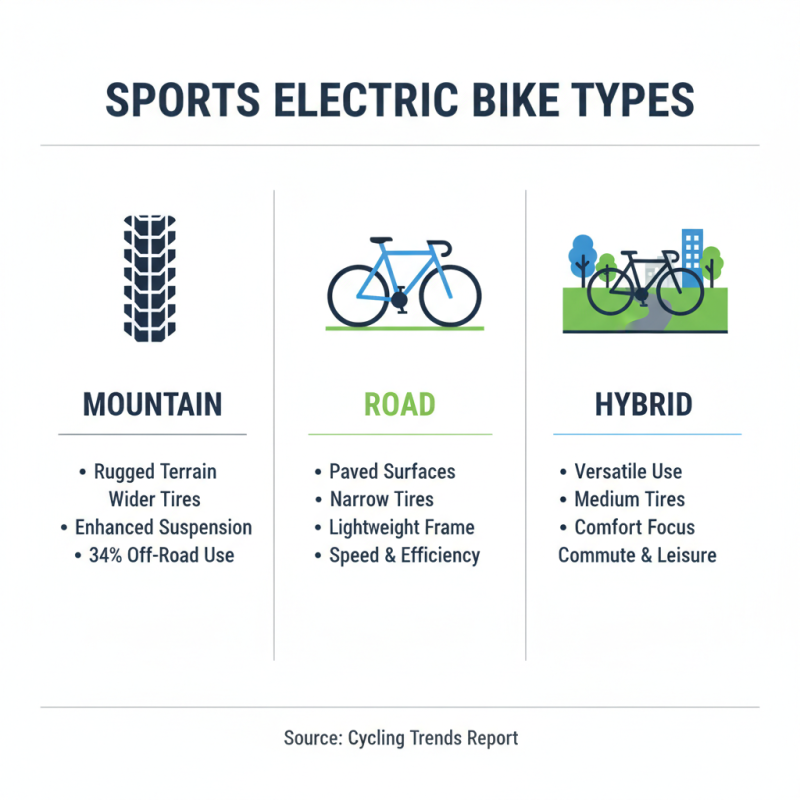
When choosing a sports electric bike, understanding the different types available is crucial. There are three main categories: mountain, road, and hybrid. Mountain bikes are designed for rugged terrains. They have wider tires and better suspension. Reports indicate that 34% of cyclists prefer these for off-road adventures. The durability and grip of mountain bikes are essential for challenging trails.
Road electric bikes focus on speed and efficiency. They are lighter and have narrower tires. Data shows that road bikes can reach speeds of up to 28 miles per hour. However, they may not perform well on rough surfaces. The weight limitation can impact performance on steep hills. It's vital to assess your comfort and skill level when considering these bikes.
Hybrid bikes combine features of both mountain and road types. They provide versatility for various terrains. Yet, some users find them lacking in specific capabilities. For example, hybrid bikes may not excel in steep climbs compared to dedicated mountain bikes. The choice often relies on personal preference and where you will primarily ride. Evaluating these factors is critical to making the right decision for your adventure.
Budget Considerations When Choosing an Electric Bike
When choosing an electric bike for your adventure, budget is a crucial factor. Reports indicate that most quality electric bikes range between $1,500 and $3,000. Keeping this in mind helps narrow down options. Also, spending less than $1,200 may lead to compromises in durability and performance.
Think about the bike's components. A good battery can cost around $800 on its own. Investing in a quality battery enhances your experience. A cheap bike may not last and could leave you stranded during your ride. Another aspect to consider is maintenance costs. E-bikes need regular servicing, and this adds up over time.
Lastly, remember that the initial cost isn’t the only expense. Accessories, insurance, and charging equipment also require budget allocation. Enthusiasts often overlook these additional expenses. Knowing the total cost can refine your choices and ensure your adventures remain enjoyable.
Maintaining and Upgrading Your Sports Electric Bike for Longevity
Maintaining and upgrading your sports electric bike is crucial for ensuring its long lifespan. Regular inspections help identify potential issues. Check the tire pressure and the condition of the brakes before every ride. Clean your bike after each adventure to remove dirt and grime. This simple step can prevent corrosion and preserve the bike’s appearance.
Upgrades can enhance the overall performance of your bike. Consider swapping out the stock seat for a more comfortable option. A good seat can significantly improve your ride quality. You might think the original parts are fine, but sometimes they just aren't enough for your needs. Battery upgrades might also be necessary as you ride more frequently. A more powerful battery can increase your range, but installation might be tricky.
Don’t overlook the importance of software updates if your bike has smart features. Ignoring updates could result in missing out on performance enhancements. Yet, it's not just about maintaining parts; it’s about knowing when to let go. Sometimes, a bike might be better off retired than pushed to its limits. Learning to assess your bike's wear and tear accurately can make all the difference.