Leave Your Message

China Top 10 Electric Streetbike Manufacturers for Buyers

China has become a major production center for Electric Streetbike models, from compact urban commuters to performance-focused road machines. The International Energy Agency’s Global EV Outlook 2024 estimates that more than 25 million electric two- and three-wheelers were operating worldwide in 2023. China represents the largest share of this expanding market. Its dense cities, mature battery supply chain, and extensive charging ecosystem support rapid product development.

However, production scale does not automatically guarantee buyer value. The China Association of Automobile Manufacturers continues to report strong growth across China’s new-energy vehicle sector, while motorcycle industry data shows growing interest in electric mobility. These figures provide useful context, but they do not replace careful model evaluation. Range claims can change with rider weight, temperature, speed, and traffic conditions. Real roads are less forgiving.

This guide examines China’s top 10 Electric Streetbike manufacturers through practical buyer criteria. These include battery chemistry, motor output, braking performance, water resistance, software support, warranty terms, and overseas service capacity. Safety certification and spare-parts availability also deserve close attention. A polished display may hide limited dealer support. That matters.

The selection draws on manufacturer specifications, industry reports, and market experience, while recognizing that public data is sometimes incomplete. Some brands publish impressive laboratory figures but provide little independent testing. Buyers should verify certification, charging compatibility, and local regulations before ordering. The ranking is therefore not absolute. It is a structured starting point for comparing suppliers, technologies, and real-world ownership risks.
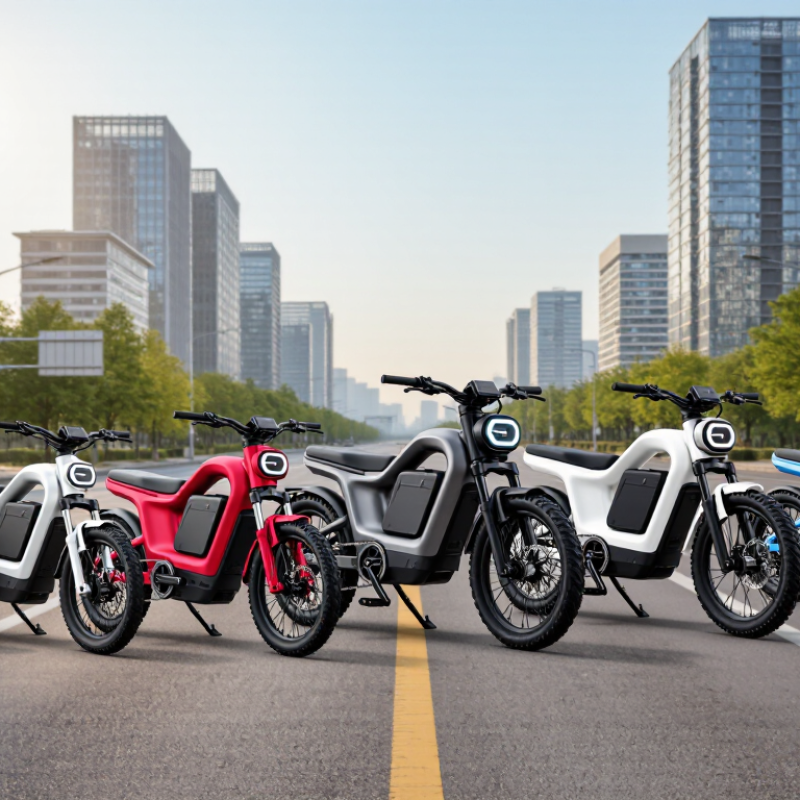
China Top 10 Electric Streetbike Manufacturers for Buyers

What Defines a High-Quality Electric Streetbike Manufacturer

A high-quality electric streetbike manufacturer begins with measurable engineering, not glossy range claims. The IEA’s Global EV Outlook 2024 identifies electric two- and three-wheelers as the most electrified road-transport segment, with roughly 280 million vehicles in use worldwide. That scale raises buyer expectations. Manufacturers should publish battery capacity, tested range, charging time, and performance conditions. A streetbike tested at 25°C behaves differently on a cold, steep commute.

Battery safety deserves close inspection. Production should include cell traceability, thermal monitoring, impact testing, and controlled charging systems. IEC 62133-2 provides a useful reference for rechargeable battery safety, while UN Regulation No. 136 addresses electric powertrain requirements for compatible vehicles. Compliance alone is not enough. Buyers should also ask for independent test records and clear recall procedures.

Manufacturing consistency matters on every ride. Inspectors should verify welds, brake performance, lighting, software updates, and water protection before shipment. A useful warranty covers the battery, controller, motor, and charger separately, with realistic repair timelines. The Global EV Outlook 2024 also shows how quickly electric mobility is expanding, but growth can hide weak after-sales networks. Some manufacturers still provide impressive prototypes and disappointing service. That gap deserves honest scrutiny. A reliable supplier shares failure rates, replacement-part availability, and service training details instead of promising perfection.
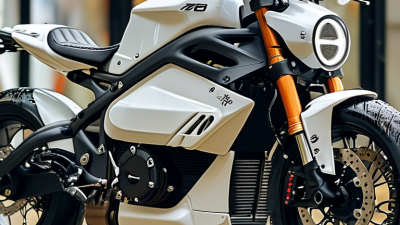
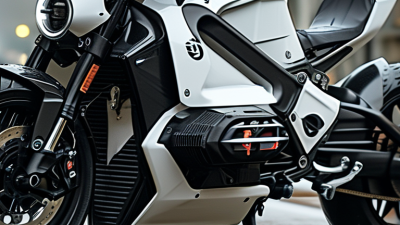
Key Criteria for Comparing Electric Streetbike Brands

Comparing China’s top electric streetbike manufacturers requires more than checking speed and styling. Buyers should examine battery chemistry, usable capacity, motor output, charging time, and real-world range. Published figures often use ideal conditions. Rain, hills, cold weather, and heavier riders can reduce distance noticeably.

Look for independent test data and clear technical documentation. A trustworthy manufacturer should provide battery warranty terms, waterproofing information, safety testing, and spare-parts availability. Service coverage matters too. A beautiful motorcycle becomes frustrating when a simple controller or brake component takes weeks to replace. During a test ride, check throttle response, braking stability, suspension comfort, display visibility, and low-speed balance. These details reveal more than a specification sheet. I once found a claimed range impressive, but daily traffic made it far less practical. That difference deserves honest attention.

Tips: Compare usable range, not only advertised range. Ask who repairs the battery. Check charging equipment compatibility before buying. Inspect welds, cable routing, tire quality, and fastener security. Record questions during a test ride, because small doubts are easy to forget. Also compare total ownership costs, including insurance, maintenance, charging, and replacement parts. The cheapest purchase may not remain the cheapest choice.

China’s Top 10 Electric Streetbike Manufacturers

China’s Top 10 Electric Streetbike Manufacturers deserve evaluation beyond showroom speed claims. For buyers, factory depth matters. I compare battery traceability, motor ratings, frame welding, controller protection, warranty response, and export documentation. The IEA’s Global EV Outlook 2024 reports that China remains the world’s largest electric two-wheeler market, with over 80% of global sales in 2023. That scale creates valuable experience, but it does not guarantee equal quality.

A practical top-ten shortlist should include manufacturers with repeatable testing and clear component specifications. Look for IP-rated electrical housings, thermal cutoffs, replaceable brake parts, and documented battery tests. The China Bicycle Association reported national electric-bicycle output above 40 million units in 2023, revealing the depth of China’s supply chain. This supports efficient access to motors, displays, chargers, and stamped frames. High volume can still hide uneven assembly. Inspect weld beads. Ask for sample data.

Real range requires careful comparison. Test results should state speed, rider weight, temperature, and road grade. A claimed 120-kilometer range may fall sharply in cold weather or heavy traffic. BloombergNEF’s 2024 battery survey reported an average global lithium-ion pack price of 115 dollars per kilowatt-hour. Small streetbike batteries may cost more at retail. Some rankings look too neat. Buyer checks remain essential.

Performance, Technology, Pricing, and Market Comparison

China’s top 10 electric streetbike manufacturers compete through motor output, battery capacity, software, and dealer support. Their products range from urban commuters to fast performance models.

Entry-level bikes often use 3–6 kW motors, while premium versions may reach 8–15 kW. A 72-volt battery can deliver smooth acceleration and practical city range. Claimed range is often optimistic. Cold weather, hills, passenger weight, and high-speed riding reduce it quickly. Look for removable battery options, efficient cooling, hydraulic brakes, ABS, LED lighting, and an IP rating.

Pricing usually spans roughly 1,800 to 6,000 US dollars before taxes and shipping. Lower prices may involve smaller batteries, basic displays, or limited suspension adjustment. Higher prices can add traction control, smartphone monitoring, fast charging, and stronger frames. Yet expensive technology does not always improve daily reliability. Check battery cell documentation, warranty length, spare-part availability, and local service response. A manufacturer with clear test reports deserves more trust than one offering impressive numbers alone.

Market comparison also requires attention to export experience and regional compliance. Some suppliers provide strong production capacity but weak after-sales communication. That difference becomes obvious after a damaged charger or delayed replacement part. Test seating position, braking feel, and low-speed balance when possible. Specifications matter, but real streets reveal the better motorcycle.

China Top 10 Electric Streetbike Manufacturers for Buyers

Performance, Technology, Pricing, and Market Comparison

This chart compares four representative electric streetbike market tiers sold by leading Chinese manufacturers. The index combines typical advertised pricing, real-world riding range, peak motor output, and top speed. A score of 100 represents the upper benchmark of the segment: approximately US$15,000, 300 km range, 60 kW peak power, or 200 km/h top speed. Values are indicative market benchmarks rather than individual company rankings.

Reference benchmarks: Entry commuter — about US$1,500–3,000, 70–100 km range, 5–10 kW, and 80–100 km/h; mid-range urban — about US$3,000–6,000, 100–180 km range, 10–25 kW, and 100–140 km/h; performance and premium models generally offer higher battery capacity, connectivity, rider assistance, and charging performance.

How Buyers Can Choose the Right Electric Streetbike Brand

Choosing among China’s top electric streetbike manufacturers requires more than comparing advertised range. A credible brand publishes battery capacity, motor output, charging time, payload, and warranty terms. Look for test evidence, not glossy claims. Ask whether range was measured with one rider, level roads, and mild weather. A 120-kilometer claim can shrink on hills, cold mornings, or with luggage. The details matter.

Inspect the motorcycle in person if possible. Check welds, cable routing, brake feel, tire markings, lighting, and display clarity. During a short ride, listen for unusual motor noise and test low-speed balance. Ask who handles repairs and how quickly common parts arrive. Battery replacement cost deserves a direct answer. Some sellers respond vaguely. Treat that as a warning, not a minor inconvenience. An established technical team should provide manuals, diagnostic support, and realistic service intervals.

Your choice should match your daily route. A lighter model may suit narrow streets, while stronger suspension helps on broken pavement. Confirm charging access before choosing a larger battery. Review independent owner reports, but separate repeated faults from one angry post. I would not trust a perfect rating; real products have small weaknesses. What matters is whether the manufacturer admits them and fixes them. Compare written promises with actual support, then choose the brand that makes ownership understandable.

China Top 10 Electric Streetbike Manufacturers for Buyers - How Buyers Can Choose the Right Electric Streetbike Brand

Anonymous buyer benchmark: figures show commonly available specification ranges and verification points for Chinese electric streetbikes. They are not attributed to individual companies or brands.
No. Buyer Priority Typical Specification Benchmark What Buyers Should Verify Best Use Case Selection Risk
1 Urban Commuting Efficiency 3–8 kW nominal motor; 72 V battery system; approximately 60–120 km practical riding range. Ask whether the range figure is measured under a stated test speed, rider weight, temperature, and road condition. Daily commuting, city streets, and short intercity trips. Range exaggeration
2 High-Performance Street Riding 8–15 kW peak motor output; hydraulic disc brakes; battery capacity commonly above 6 kWh. Confirm continuous motor output, controller current limit, thermal protection, and maximum safe operating speed. Open roads, hill routes, and performance-oriented riding. Peak-power marketing
3 Battery Safety Lithium-ion battery pack with a battery management system supporting over-charge, over-discharge, over-current, and thermal protection. Request battery-cell traceability, BMS specifications, pack protection design, and relevant market test reports. Buyers prioritizing long-term safety and stable daily use. Unverified battery origin
4 Charging Convenience Standard charging time commonly ranges from 4–10 hours; optional fast charging may reduce this depending on pack size and charger output. Check charger input voltage, connector type, charging temperature limits, and whether fast charging affects warranty coverage. Apartment users, fleet operators, and frequent riders. Incompatible charger
5 Weather Resistance Electrical components should have a documented ingress-protection rating; IP65 or higher is a useful benchmark for exposed components. Verify which parts are covered by the rating, especially the battery enclosure, motor, display, controller, and charging port. Rainy climates and outdoor parking conditions. IP-rating confusion
6 Braking and Chassis Control Front and rear hydraulic disc brakes, quality suspension, and tires suitable for the intended road surface. Review brake-disc size, brake-fluid specification, tire load rating, suspension adjustment, and emergency stopping performance. Heavy traffic, hilly areas, and mixed road surfaces. Under-specified brakes
7 Regulatory Readiness Road-legal configuration varies by destination; requirements may include lighting, mirrors, indicators, horn, reflectors, VIN, and speed compliance. Confirm conformity documents for the destination market, including applicable UNECE, national, or regional requirements. Importers and buyers who need legal road registration. Registration failure
8 After-Sales Support Preferred support structure includes a documented warranty, spare-parts availability, service manuals, and remote diagnostics. Obtain written warranty terms covering the battery, motor, controller, charger, frame, and labor separately. Overseas buyers, distributors, and commercial users. Parts shortage
9 Total Cost of Ownership Compare purchase price with battery replacement cost, shipping, import duty, insurance, tires, brake parts, and service labor. Request a complete spare-parts price list and calculate cost per kilometer over the expected ownership period. Budget-conscious private buyers and delivery fleets. Hidden ownership cost
10 Customization and Export Capability Common options include battery capacity, motor tuning, colors, displays, lighting, suspension, luggage racks, and packaging. Confirm minimum order quantity, sample approval process, production lead time, packaging dimensions, and export documentation. Dealers, fleet purchasers, and private-label importers. Specification mismatch
Buyer checklist: Compare independently verified specifications, destination-market compliance, battery documentation, warranty coverage, spare-parts support, and total ownership cost rather than relying only on advertised motor power or maximum range.