10 Best Electric Sports Motorcycles for 2026 Buyers
Electric Sports Motorcycles are no longer just futuristic showpieces. For 2026 buyers, they promise rapid acceleration, quiet operation, and fewer routine drivetrain tasks. Yet choosing one is not as simple as comparing peak power. Range, charging time, weight, riding position, and dealer support can matter more during everyday use.
This guide introduces ten electric sport models worth considering, from road-focused machines to sharper, track-inspired designs. It looks beyond headline figures to practical details: battery capacity, claimed range, charging options, braking equipment, and rider aids. Manufacturer range estimates can vary with speed, temperature, terrain, and riding style. A long number on a spec sheet may shrink on a cold, fast commute. It happens.
The right motorcycle depends on where and how you ride. A city rider may value manageable weight and convenient charging, while frequent highway travel makes usable range more important. Sporty geometry can feel precise through a corner, but less comfortable on a long ride. No model is perfect, and some trade-offs are easy to overlook in polished marketing. Where specifications differ by market or trim, buyers should confirm details with the manufacturer or local dealer. Use this overview as a starting point, then compare current pricing, warranty terms, and real-world owner feedback before making a decision.
Define Electric Sport Motorcycles and the Criteria for Comparing 2026 Models
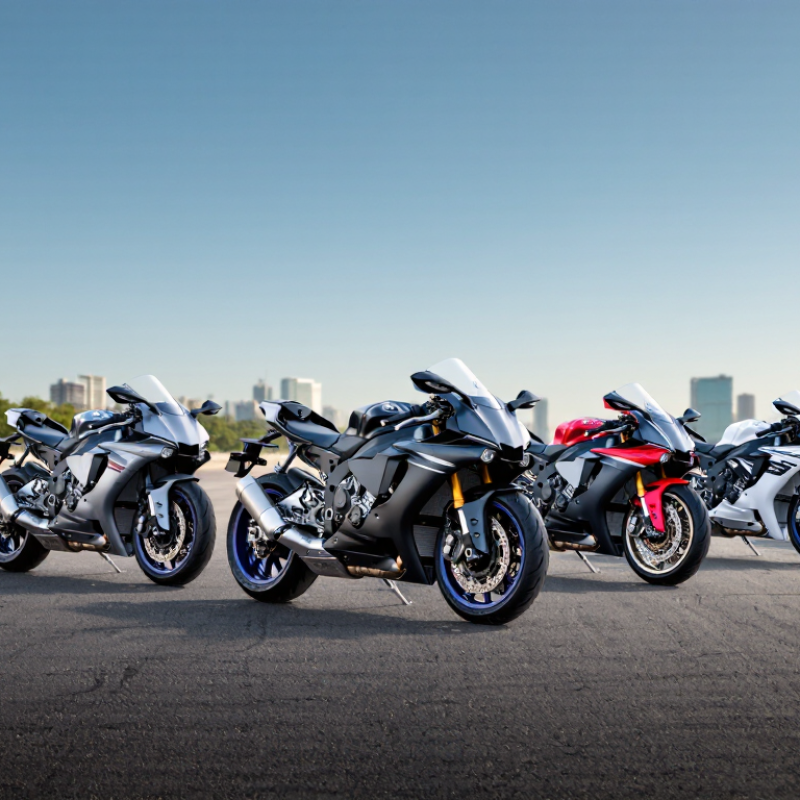
An electric sport motorcycle is a road-focused, battery-powered two-wheeler built for responsive acceleration, precise handling, and sustained performance. It differs from a commuter model through its chassis setup, riding position, braking capacity, and power delivery—not merely its top speed. The IEA’s Global EV Outlook 2024 estimates that nearly 10 million electric two- and three-wheelers were sold worldwide in 2023, about one-fifth of sales in that category. That figure shows a growing market, but it does not describe sport motorcycles alone.
Compare 2026 models using usable battery capacity, continuous power, weight, and repeatable real-world range. Range figures need context. Ask whether testing included cold weather, highway speeds, or aggressive acceleration; each can reduce distance between charges. Check charging time across the full charge, not just the quickest early minutes. A focused ride can expose heat-related power limits that a short showroom demonstration will miss.
Handling deserves equal attention. Look for stable braking, predictable suspension, tire grip, and a comfortable reach to the bars. ISO 13063 sets safety specifications for electrically propelled motorcycles and mopeds, offering a useful reference for electrical safety. It does not replace a road test. Small details matter. A heavy battery may lower the center of gravity, yet still make slow parking awkward. My comparison would also record seat comfort and charging access; those details are easy to overlook, and test conditions are rarely perfect.
Establish Market Context: IEA Reports Nearly 10 Million Electric 2/3-Wheeler Sales in 2023
The International Energy Agency reports nearly 10 million electric two- and three-wheelers were sold worldwide in 2023. That is a big signal. It shows electric riding has moved beyond a niche, though the figure includes many everyday scooters and utility vehicles, not just sports motorcycles. Buyers should treat it as market context, not proof that every electric sport model is mature or widely available.
For a 2026 shopping list, compare usable range, charging time, weight, and performance under real riding conditions. A short test ride can reveal more than a peak-power figure: notice low-speed balance, throttle response, and how the bike feels after repeated acceleration. Check whether the claimed range fits your commute and weekend routes. Cold weather, speed, and hills can reduce it. Specifications also vary by model and market, so verify current details with reliable product documentation.
Tips: Ask for the battery’s usable capacity and warranty terms, then confirm the charging connector and home-charging requirements. If possible, test the motorcycle on a route with a steep section and a rough surface. One limitation is easy to overlook: sales growth does not guarantee convenient service nearby. That part deserves a hard look.
Compare 10 Models by Peak Power (kW), Torque (Nm), and Battery Capacity (kWh)
Peak power, torque, and battery capacity make a useful first comparison across ten electric sport motorcycles, but each number answers a different question. Peak power, measured in kilowatts, hints at acceleration and high-speed performance. Torque, in newton-metres, helps describe forceful launches from a stop. Neither figure alone tells you how the bike feels after several hard accelerations.
Battery capacity, measured in kilowatt-hours, indicates stored energy, not guaranteed riding distance. A larger pack may add weight, while speed, temperature, hills, and riding style can quickly change real-world range. Check whether each listed capacity is usable or total, and compare figures measured on the same basis. Small details matter. A claimed peak-power figure may also be available only briefly.
For a fair ten-model comparison, place all three specifications side by side, then check charging time, vehicle weight, and range estimates. Those details put the headline numbers into context. A 90 kW motorcycle may sound stronger than an 80 kW rival, yet gearing and power delivery can shape the actual ride. I would not choose from a spec sheet alone. It is tempting, though. Confirm current figures in official technical documents, since model-year updates can change battery size or output.
Evaluate Range and Efficiency Using WMTC and Manufacturer-Tested Figures
A headline range figure can look convincing beside a sleek electric sports motorcycle, but the test method matters. WMTC provides a repeatable framework for comparing motorcycles under defined riding conditions. It is useful for screening options, not predicting every commute. A brisk ride on a cold morning, with a passenger or steep climbs, can reduce the distance between charges. Real roads are less tidy than test cycles.
Read manufacturer-tested figures with the same care. Check the stated speed, temperature, riding mode, load, and whether the result reflects a test track or a standardized cycle. If energy consumption is listed in kilowatt-hours per 100 kilometers, compare it alongside battery capacity and claimed range. These details help reveal whether one model uses energy efficiently or simply carries a larger battery. Small print matters.
Think about your own route. A 40-kilometer daily ride at steady speeds asks different questions than repeated high-speed runs. Leave a practical reserve rather than planning to arrive with the display at zero. Regenerative braking may help in stop-and-go traffic, but its effect varies with settings and riding style. No figure is perfect. Even careful comparisons need a little humility.
Assess Charging, Safety, Warranty, and Price for 2026 Buyers
For 2026 buyers, charging convenience can matter more than a headline range figure. Check whether each motorcycle supports ordinary home charging, faster public charging, or both. A garage outlet may be enough for overnight top-ups, but charging times vary with battery size and onboard charger capacity. Cold weather and fast riding can also reduce usable range. Range figures look tidy on paper. Real commutes are messier. Compare the stated range with your daily route, and leave room for detours.
Safety deserves a close look beyond peak power. Check for cornering-sensitive ABS, traction control, adjustable regenerative braking, and clear warnings about battery temperature. These features can help, but they cannot replace suitable tires, training, or careful speed choices. Ask how the bike’s weight feels at walking pace; a heavy machine can be awkward in a sloped driveway. Try before you decide. Even a short test ride may reveal an uncomfortable seat or hard-to-read display.
Warranty terms can change the real value of a seemingly affordable motorcycle. Read the battery coverage period, capacity-loss threshold, and exclusions, rather than relying on a general warranty headline. Confirm who handles repairs and whether replacement parts are readily available. Then compare the full price: charging equipment, installation, insurance, tires, and routine service all add up. I would resist treating low maintenance as no maintenance. That distinction is easy to miss.