Best Electric Bikes for Global Buyers in 2026?
As the world continues to embrace sustainable transportation, Electric Bikes are gaining momentum. According to a report by ResearchAndMarkets, the global electric bike market is projected to reach $38.6 billion by 2026. This growth is attributed to increasing urban congestion and environmental concerns. Industry expert Dr. Emily Chen states, “Electric Bikes are not just a trend; they represent the future of commuting.”
Electric Bikes offer unparalleled convenience, enabling users to cover longer distances with less effort. Many cities have improved infrastructure to support their use. However, potential buyers often struggle with choosing the best options available. The diverse range of designs, models, and features can overwhelm consumers. Industry reports indicate that decisions are often based on performance, price, and technology.
Despite the advancements, there are still challenges. Battery life and charging times can be inconsistent across brands. Furthermore, the average consumer may find it difficult to distinguish between quality products and subpar ones. As the market evolves, understanding these nuances will be essential for global buyers in 2026. The right Electric Bike can transform the way we navigate our daily lives, but informed choices are crucial.

Best Electric Bikes for Global Buyers in 2026
The electric bike market is rapidly evolving. In 2026, the focus on eco-friendly transportation is stronger than ever. A report from the International Energy Agency indicates that electric bike sales could grow by over 30% annually. This shift stems from rising environmental consciousness and urban congestion. More consumers are opting for electric bikes to navigate cities efficiently.
Range and battery life are key factors. Most electric bikes now offer ranges between 40 to 70 miles on a single charge. This makes them practical for daily commutes and weekend adventures. However, not all models deliver reliable performance, especially under harsh conditions. Buyers need to consider terrain and climate when choosing an electric bike.
Safety features are also increasingly important. Enhanced visibility and braking systems can greatly reduce accident risks. Unfortunately, many entry-level models skimp on these essential elements. Choosing a bike with proper safety features is crucial for a secure riding experience. Keeping these considerations in mind can help global buyers make informed decisions.
Key Features to Consider When Selecting Electric Bikes
When selecting electric bikes, several key features demand attention. Battery life stands at the forefront. According to a report by Global Market Insights, the average range of e-bikes has increased to about 60 miles due to advancements in battery technology. A longer range allows for extended rides, making them practical for daily commutes or longer journeys.
Another critical aspect is the motor power. The industry average for e-bike motors is around 250W to 750W. This range impacts speed and hill performance. It’s vital to consider local terrain and personal usage. A robust motor can enhance the overall riding experience, but it may also lead to heavier bikes, which could be cumbersome.
Lastly, safety features cannot be overlooked. A startling 30% of e-bike accidents are linked to poor braking systems. Riders should look for bikes equipped with disc brakes and advanced lighting systems. These systems enhance visibility and control, especially during night rides. Choosing the right e-bike is not just about speed; it’s also about ensuring a safe and comfortable ride.
Top Electric Bike Brands to Watch in 2026
As we look forward to 2026, several electric bike brands are making a name for themselves in the global marketplace. These brands are focusing on eco-friendly innovations, reliable performance, and user-centered designs. With the increasing demand for sustainable transport options, the competition in the electric bike industry has intensified.
One notable trend is the rise of brands emphasizing battery technology. Many are investing heavily in research to improve battery efficiency and lifespan. Lightweight frames combined with robust motors are becoming standard features. Intuitive controls and smart features enhance the riding experience. Yet, not all brands innovate equally. Some struggle with quality control and customer service, which can impact their growth.
Additionally, pricing remains a challenge for many consumers. Buyers want affordable options without sacrificing quality. While some brands offer great value, others focus on high-end products, making affordability a key consideration. As the market evolves, brands need to address concerns about accessibility. The goal should be to create bikes that appeal to a broader audience, ensuring that electric bikes become a viable option for everyone.
Best Electric Bikes for Global Buyers in 2026
Comparison of Electric Bike Models for Different Terrains
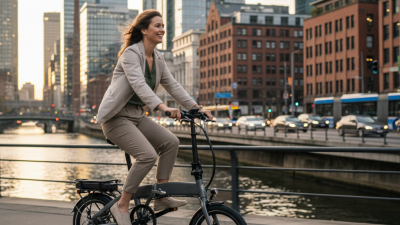
As electric bikes continue to gain popularity, choosing the right model for different terrains becomes crucial. For urban settings, lightweight e-bikes with decent battery range please city riders. They typically weigh between 40-50 pounds and can cover 20-40 miles on a single charge, according to industry reports. E-bikes designed for city commuting often feature narrower tires for agility on crowded streets.
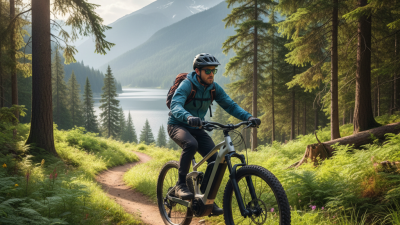
On mountainous terrains, robust e-mountain bikes are essential. These models usually have powerful motors, offering assistance up steep grades. Many e-mountain bikes provide a torque of up to 80 Nm, enabling better control and power on rugged paths. Battery life becomes a major concern, as some riders may find themselves stranded if underestimated. Industry research indicates that 70% of riders prioritize range when choosing an electric bike.
**Tips:** Always test ride various models. Each bike’s feel can vary significantly. Consider your weight and riding style. Tailor the bike choice to the terrain you frequent. Riders who plan weekend adventures should invest in high-capacity batteries.
Riding on mixed terrains poses a challenge. Some bikes may not handle transitions well, leaving riders frustrated. Feedback shows that a versatile all-terrain model can enhance the overall riding experience. However, these models may compromise features, leading to a less optimized ride on specific surfaces.
Pricing Trends for Electric Bikes in 2026 and Beyond
In 2026, the electric bike market is anticipated to experience significant pricing shifts. According to recent industry reports, the average price of electric bikes could rise by 15% compared to 2023. Factors contributing to this increase include rising raw material costs and enhanced technology integration. The demand for lightweight batteries and advanced sensors is driving prices higher.
Furthermore, regional differences will impact pricing trends. For instance, Europe may see higher costs due to stricter regulations. In contrast, emerging markets might benefit from lower-tech options, creating a diverse pricing landscape. Market analysts suggest that these dynamics will influence buyer choices and shape future innovations.
Additionally, customer preferences are evolving. Many buyers now focus on durability and performance. These features often come at a premium. However, affordability remains a crucial concern for many consumers. As the market matures, balancing quality and cost will continue to challenge manufacturers. Keeping an eye on these trends is vital for anyone interested in electric mobility.
Best Electric Bikes for Global Buyers in 2026? - Pricing Trends for Electric Bikes in 2026 and Beyond
| Model |
Type |
Price Range (USD) |
Range per Charge (miles) |
Max Speed (mph) |
| Urban Commuter |
City |
$1,200 - $2,000 |
30 |
20 |
| Mountain Explorer |
Mountain |
$1,800 - $3,000 |
40 |
25 |
| Road Racer |
Road |
$2,200 - $4,000 |
50 |
28 |
| Folding Companion |
Folding |
$800 - $1,500 |
25 |
15 |
| Cargo Hauler |
Cargo |
$1,500 - $2,800 |
35 |
20 |
Conclusion
As we look ahead to 2026, the landscape of electric bikes is rapidly evolving, offering an array of options for global buyers. When selecting the best electric bikes, it's crucial to consider key features such as battery life, motor power, and frame design, which can significantly impact performance across different terrains. With advancements in technology, new models are emerging that cater to diverse riding preferences, ensuring a suitable choice for every cyclist.
Moreover, pricing trends indicate a shift towards more affordable electric bikes without compromising quality, making them accessible to a wider audience. Sustainability remains at the forefront, with innovations focusing on environmentally friendly materials and manufacturing processes. As the electric bike market continues to grow, consumers can expect a thrilling combination of performance, cost-effectiveness, and eco-conscious design in their future rides.