2026 Top Street Moto Trends Every Global Buyer Should Know?
As the global market for Street Moto evolves, understanding upcoming trends is essential for buyers. Expert Lucy Zhang, a noted industry analyst with over a decade of experience, emphasizes, "Street Moto is not just about speed; it's a lifestyle." Her insight underscores the need for buyers to adapt to changing consumer demands.
In 2026, Street Moto trends will reflect a fusion of technology and design. Electric motorcycles are becoming increasingly popular, highlighting the industry's shift toward sustainability. Additionally, lightweight materials are changing how bikes are constructed, leading to improved performance. Buyers must be aware of such innovations to stay competitive.
However, the challenge lies in balancing style and functionality. Many new models may prioritize aesthetics over practical use. As buyers consider their options, they should reflect on their needs. Understanding the blend of performance and design will shape the future of Street Moto for years to come.
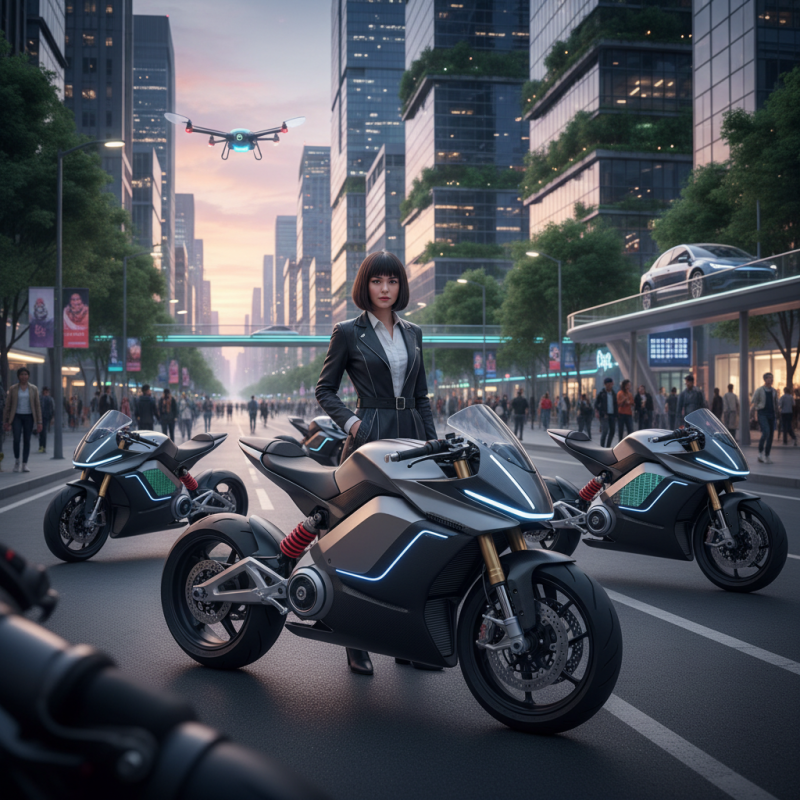
Emerging Technologies in Street Moto Design for 2026
As street motorcycle design evolves, emerging technologies are crucial for 2026. Lightweight materials gain prominence, enhancing performance without sacrificing safety. According to a recent market report, the use of carbon fiber and advanced alloys can reduce weight by 20% to 30%. This shift improves fuel efficiency and handling, appealing to buyers seeking agility.
Connectivity features also emerge as key trends. Integration of smart technologies enables seamless communication between riders and their bikes. Features like navigation assistance and real-time diagnostics enhance the riding experience. A survey indicated that 70% of motorcycle owners value these innovations. However, this reliance on technology raises concerns about user privacy and data security.
Battery technology continues to advance, particularly with electric models. Reports show that battery efficiency has improved by up to 40% over the last five years. As charging times decrease, electric motorcycles may become more mainstream. Challenges remain in charging infrastructure development, which is not keeping pace with demand. Adopting these technologies will require collaboration across the industry to ensure reliability and accessibility.
Sustainability Practices Shaping the Future of Street Motorcycles
The street motorcycle industry is rapidly evolving, with sustainability becoming a key focus. A recent report from the Motorcycle Industry Council highlights that over 30% of riders prioritize eco-friendly practices when choosing bikes. Manufacturers are now exploring alternative materials and eco-conscious production methods. This shift not only attracts environmentally aware consumers but also addresses regulatory challenges.
Recycling programs are becoming a norm in the motorcycle sector. Some companies report that they have reduced their carbon footprints by up to 25%. This has been possible through initiatives like reusing metal and plastics in production. However, the challenge remains in the full lifecycle management of motorcycles. Many consumers stay unaware of what happens to their bikes after disposal. Education is crucial here.
Tips: Consider buying used bikes instead of new ones. This can significantly reduce waste and production impact. Engage with local recycling programs to support sustainable practices. Awareness plays a vital role in shaping a greener industry. The road to sustainability is not without bumps, but every effort counts.
2026 Top Street Moto Trends: Sustainability Practices
Key Aesthetic Trends in Street Moto Styling for Global Markets
The street moto styling landscape is evolving rapidly, influenced by consumer preferences and global trends. According to a recent report by Market Research Future, the global motorcycle market is projected to grow at a compound annual growth rate (CAGR) of 6% from 2021 to 2026. This growth opens opportunities for innovative designs and unique aesthetics in street motorcycles.
One of the key aesthetic trends is the move towards minimalism. Riders today favor sleek, uncluttered designs that reflect individuality. The rise of customization options allows buyers to personalize their bikes, tailoring them to unique tastes. Color palettes have also shifted, with muted tones gaining popularity over vibrant shades. This trend signals a desire for sophistication and sophistication over loud expression.
Tip: Keep an eye on color trends in art and fashion. These can inspire new ideas for bike aesthetics.
Additionally, retro styles are making a comeback. Combining vintage elements with modern technology appeals to nostalgia. Many buyers seek a balance between classic looks and contemporary features. However, some manufacturers struggle to perfect this blend, resulting in designs that may not resonate with the target audience. It highlights the need for continual market research.
Tip: Engage with rider communities online. Feedback can help identify successful design elements.
2026 Top Street Moto Trends Every Global Buyer Should Know
| Trend |
Description |
Impact on Styling |
Target Audience |
| Minimalist Designs |
Simplicity in design with fewer components and cleaner lines. |
Emphasizes sleek and modern aesthetics preferred by urban riders. |
Young professionals and city commuters. |
| Retro Revivals |
Incorporating classic elements from past motorcycle styles. |
Appeals to nostalgia and timeless fashion. |
Classic bike lovers and older demographics. |
| Electric Integration |
Emphasis on electric motorcycles with eco-friendly designs. |
Promotes sustainability while retaining modern appeal. |
Eco-conscious consumers and tech enthusiasts. |
| Bold Color Palettes |
Vibrant colors and personalized paint jobs. |
Encourages individual expression in motorcycle aesthetics. |
Fashion-forward riders and custom enthusiasts. |
| Adventure Styling |
Designs inspired by off-road biking and adventure touring. |
Creates a rugged and adventurous appeal. |
Adventure seekers and off-road enthusiasts. |
Safety Innovations Addressing Rider Concerns in the Street Moto Industry
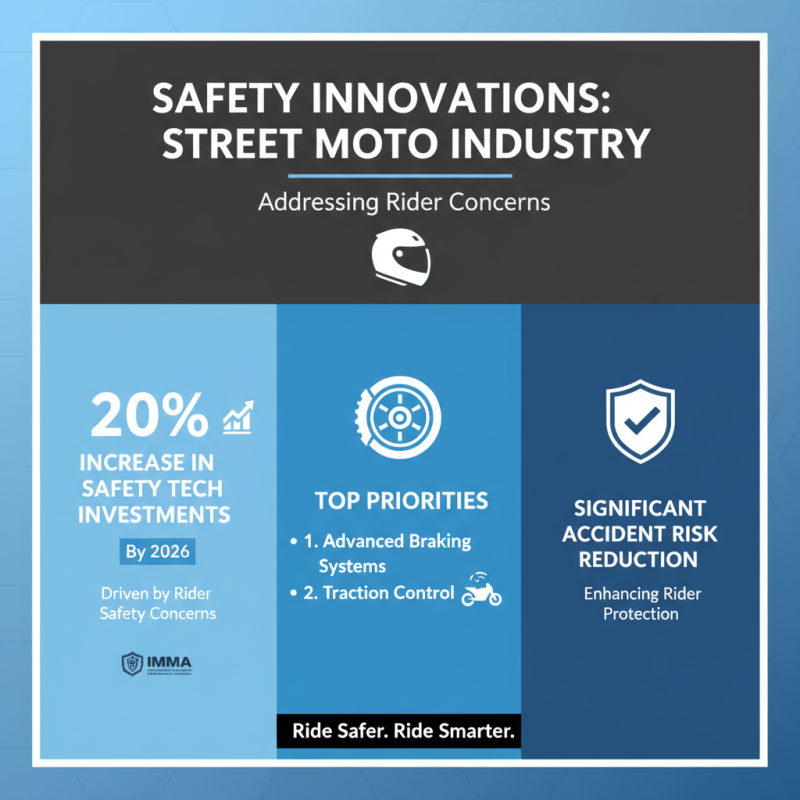
The street moto industry is undergoing significant changes, particularly regarding rider safety. Reports from the International Motorcycle Manufacturers Association (IMMA) reveal that rider safety concerns drive innovations, contributing to a projected 20% increase in safety technology investments by 2026. Industry experts note that features like advanced braking systems and traction control are top priorities for manufacturers. These technologies can reduce accident risks significantly.
One prominent concern is visibility. Numerous studies indicate that nearly 30% of motorcycle accidents occur due to visibility issues. Consequently, many producers are focusing on improving headlights and using reflective materials. Some bikes are now equipped with dynamic lighting systems that adapt to surroundings, providing better visibility at night. Such innovations are essential for reducing rider vulnerability.
Furthermore, data shows that rider education and training are getting more emphasis. In many regions, courses emphasize the importance of safety gear. Helmets and protective clothing can reduce injuries by up to 50%. However, not all riders utilize these safety measures consistently. This gap indicates a need for continuous awareness campaigns within the community. Future developments will likely address these issues for a safer riding experience.