2026 Top Sports Electric Bike Trends You Should Know?
As we look towards 2026, the world of Sports Electric Bikes is evolving rapidly. Industry expert Dr. Emily Carter, a well-known figure in sustainable transportation, states, "Sports Electric Bikes are not just a trend; they're a lifestyle choice that promotes health and innovation." This perspective captures the essence of the ongoing transformation in this niche market.
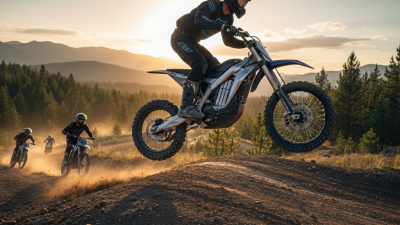
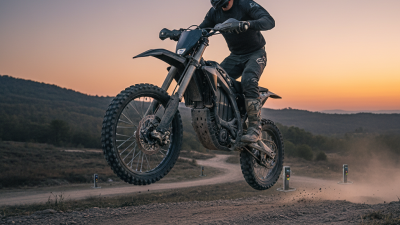
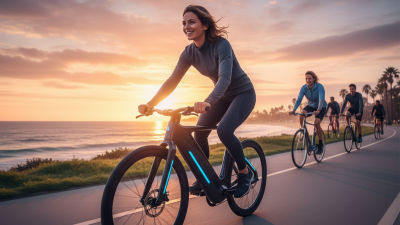
Electric bicycles are not merely a means of transportation. They provide athletes and fitness enthusiasts with new challenges and experiences. The integration of advanced technology into Sports Electric Bikes is allowing riders to push their limits. With improvements in battery life, design, and performance, these bikes are becoming more accessible to a wider audience.
However, not all innovations are perfect. Some models may struggle with durability or usability in varied conditions. Consumers need to weigh their options carefully. By staying informed and understanding market trends, riders can make choices that align with their needs. Sports Electric Bikes have the potential to enhance fitness routines while reducing carbon footprints. As the market develops, staying updated on trends is essential for making informed decisions.
Emerging Technologies Fueling Electric Bike Innovation in 2026
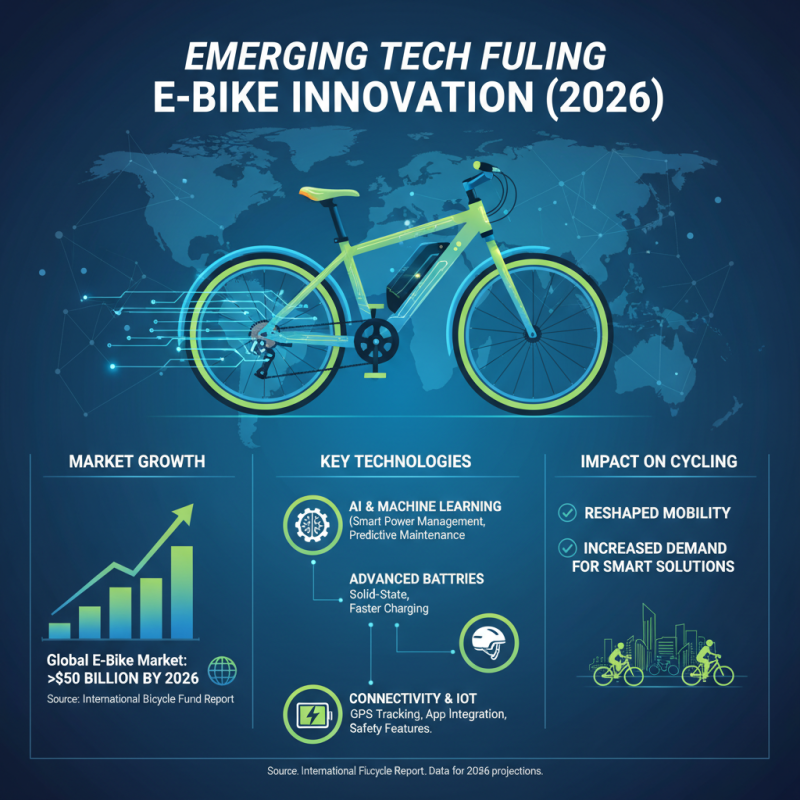
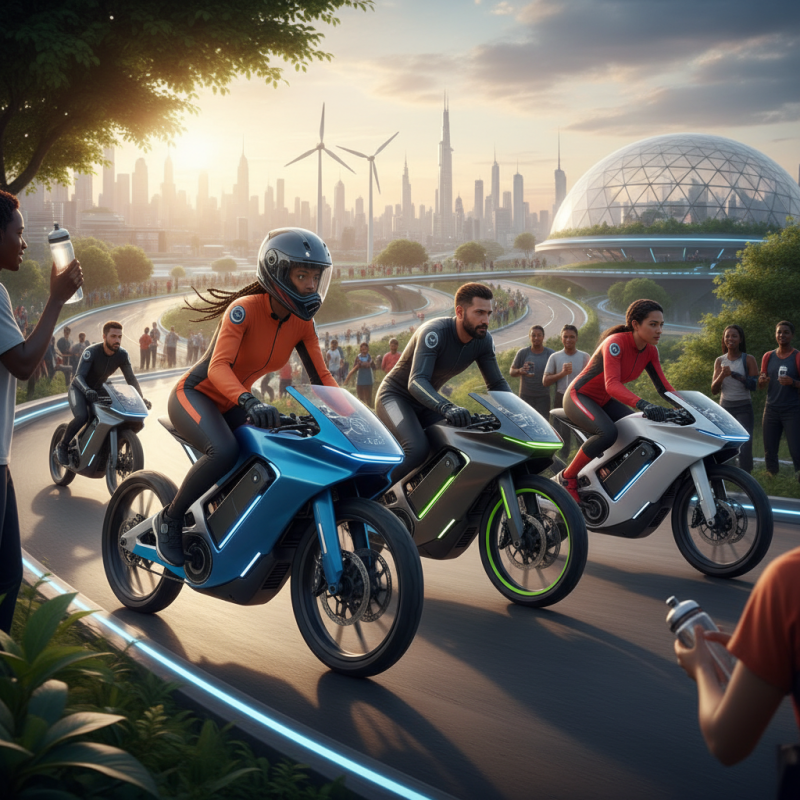
The electric bike market is evolving rapidly. By 2026, several emerging technologies will reshape the cycling experience. According to a recent report by the International Bicycle Fund, the global e-bike market is projected to reach over $50 billion by 2026. This growth showcases the rising demand for smart mobility solutions.
Artificial intelligence (AI) is enhancing user experiences in electric bikes. Smart sensors provide real-time data on battery life, speed, and terrain. Users can adjust settings for optimal performance. This technology increases safety and efficiency. Additionally, advances in battery technology are notable. By 2026, solid-state batteries are expected to dominate. They promise higher energy density and faster charging times, according to research from the Electric Vehicle Association.
Despite these advancements, challenges remain. Not all consumers prioritize the latest features. Some worry about maintenance and repair costs. As the market expands, consumer education becomes essential. Companies must reassure potential buyers about reliability and sustainability. As innovations unfold, the industry must balance technology with real-world usability.
Sustainability Trends Shaping the Future of Sports Electric Bikes
The rise of electric bikes in sports is closely tied to sustainability. Consumers are increasingly seeking eco-friendly options. This trend encourages manufacturers to prioritize renewable materials. More brands are focusing on lightweight, durable designs. These materials often have a lower environmental footprint.
Power sources for these bikes are also evolving. Lithium-ion batteries are being replaced in some cases by solid-state technology. This new approach offers increased efficiency and safety. Additionally, energy recovery systems are becoming popular. Riders can charge their bikes while cycling downhill. This innovation reduces reliance on charging stations.
Designs are adapting to urban needs as well. E-bikes now feature versatile accessories for commuters. Storage solutions and weather-resistant options are common. However, challenges remain, such as battery disposal and recycling. The industry must address these issues. Sustainable practices aren't always easy to implement. Balancing performance and eco-friendliness is a complex task.
Top Features to Look for in 2026 Sports Electric Bikes
When exploring the top features of 2026 sports electric bikes, understanding power and performance is crucial. New models will likely include improved battery capacity. This ensures longer rides without frequent recharges. Riders can expect to enjoy distances over 100 miles on a single charge. This advancement makes electric biking more appealing for sport enthusiasts and casual riders alike.
Another significant feature is smart technology integration. Many bikes may include advanced connectivity options. These can provide real-time performance data and navigation assistance. Users will benefit from tailored workouts based on their preferences. Safety features such as integrated lights and enhanced braking systems will also be a priority. However, not all users might feel comfortable with a multitude of tech features. Some riders prefer a simpler experience, focusing on basic functionality.
Lastly, frame design is vital. Lightweight materials will dominate, allowing for better speed and maneuverability. But finding the right balance between weight and strength can be challenging. As manufacturers push for lighter bikes, durability may suffer. Riders should reflect on their priorities: speed versus dependability. Awareness of these trends will better prepare buyers for the evolving landscape of sports electric bikes.
2026 Top Sports Electric Bike Trends You Should Know? - Top Features to Look for in 2026 Sports Electric Bikes
| Feature |
Description |
Trend Level (1-10) |
User Benefit |
| Lightweight Frame |
Made from durable materials like carbon fiber for ease of handling. |
9 |
Improved maneuverability and speed. |
| Long Battery Life |
Batteries designed to last up to 100 miles on a single charge. |
10 |
Extended rides without frequent recharging. |
| Advanced Suspension Systems |
Feature enhanced suspension for better shock absorption. |
8 |
Increased comfort on rough terrain. |
| Smart Connectivity |
Integration with mobile apps for tracking performance and navigation. |
7 |
Enhanced user experience and safety features. |
| Aerodynamic Design |
Sleeker shapes to reduce drag during rides. |
8 |
Higher speeds and improved efficiency. |
Popular Brands Leading the Sports Electric Bike Market in 2026
The sports electric bike market is evolving rapidly. Several popular brands are making significant strides in 2026. Their innovations are reshaping user experience. Enhanced battery life and improved motor efficiency are key trends. Riders can now travel longer distances with less effort.
Many brands are focusing on lightweight materials for better performance. This shift aims to provide agility and speed. In 2026, brands are also emphasizing customization options. Riders can personalize features to enhance their comfort and riding style. Such developments invite reflection on how personal preferences influence purchasing choices.
Sustainability is another important factor. More brands are adopting eco-friendly manufacturing practices. This approach aligns with the growing environmental awareness among consumers. However, while progress is notable, some areas still require improvement. Ongoing quality control remains a challenge for many manufacturers. As competition heats up, consistency in quality will be crucial.
Consumer Preferences and Market Demands for Electric Bikes in 2026
In 2026, the electric bike market is expected to see significant shifts driven by consumer preferences. According to the Global Electric Bike Market Report, demand is surging, with projected growth rates of over 15% annually. This rise reflects a growing interest in eco-friendly transportation options. Many consumers are prioritizing sustainability, indicating a shift in how bikes are perceived, not just as recreational vehicles but as essential commuting tools.
Furthermore, features like battery life and charging speed will play a vital role in purchasing decisions. Recent surveys show 75% of potential buyers are concerned about the duration of a single charge. Additionally, integration with smart technology is becoming increasingly important, as 55% of consumers express interest in electric bikes that offer connectivity with their smartphones. However, concerns about durability and maintenance remain. Many users report frustrations with bike breakdowns, indicating that manufacturers need to focus more on reliability to capture the growing market.
The rising popularity of electric bikes is also reflected in urban planning initiatives. Cities are investing in bike lanes, making it easier for riders. However, access to charging stations still poses a challenge, with only 30% of urban areas equipped with sufficient infrastructure. This discrepancy highlights the need for improvement. Addressing these issues will be crucial for manufacturers aiming to meet market demands in the near future.