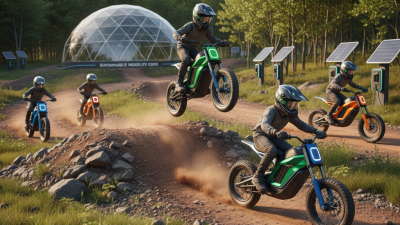
Choosing the 2026 best trail motorcycles requires more than comparing engine sizes or showroom prices. Global buyers face different roads, climates, fuel quality, import rules, and service networks. A lightweight Trail Motorcycle may feel perfect on Spanish gravel, yet struggle with long distances in remote Australia. A larger adventure model may carry luggage comfortably, but its weight becomes serious on wet clay or steep single-track.
Chris Birch, a respected adventure riding coach and off-road expert, offers a practical standard: “The best adventure bike is the one you can pick up.” That sentence remains useful for everyday decisions. Buyers should examine seat height, wet weight, suspension travel, ground clearance, fuel range, and repair access. A reliable motorcycle matters more than impressive specifications. Sometimes, less power is better.
This guide compares leading 2026 models for riders across Europe, North America, Asia, Africa, and other markets. It considers real-world comfort, beginner friendliness, touring ability, maintenance demands, and dealer support. It also recognizes an uncomfortable truth: no motorcycle is perfect everywhere. A bike designed for rocky trails may feel tiring on highways. A polished commuter may disappoint in deep sand.
The strongest choice depends on your route, body size, budget, and mechanical confidence. Check local certification requirements before purchasing. Confirm parts availability before crossing borders. Test the motorcycle when possible. Numbers help, but experience decides.
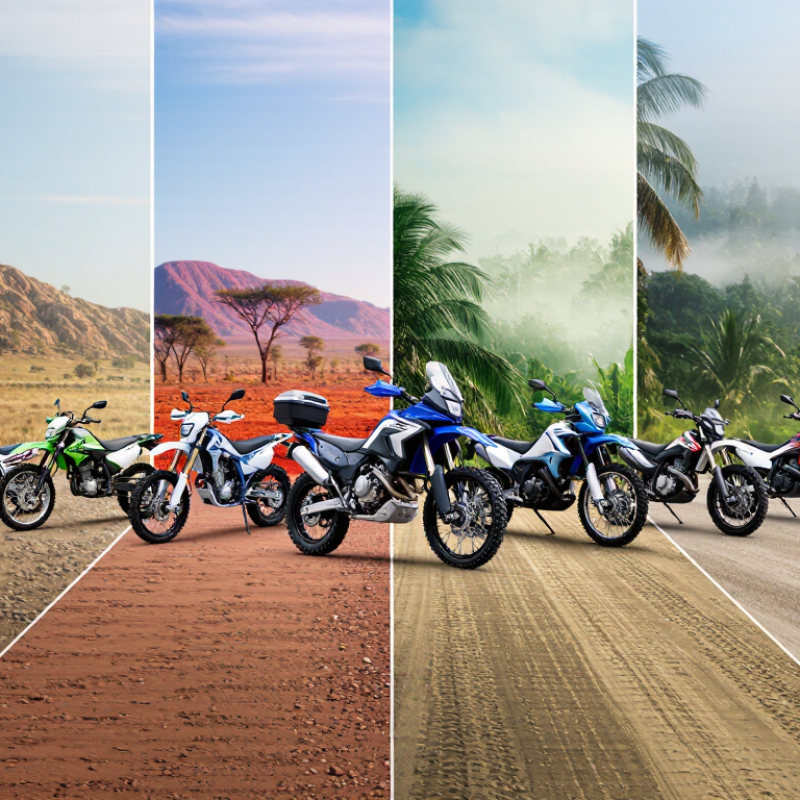
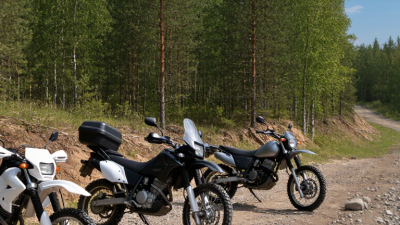
Trail motorcycles are built for mixed surfaces, from paved roads to gravel tracks and forest paths. Their upright seating improves visibility and reduces wrist pressure during long rides. Moderate ground clearance helps the wheels pass over stones, ruts, and shallow erosion. However, more clearance can make shorter riders feel less confident at stops. That trade-off is easy to underestimate.
Global buyers should compare engine size, wet weight, seat height, fuel range, and service access. A compact engine may be easier to control in muddy terrain and cheaper to maintain. A larger engine can carry luggage more comfortably, but it may feel tiring on narrow trails. Check local registration rules, noise limits, insurance requirements, and approved equipment before purchasing. Parts availability matters too. A reliable motorcycle is less useful if a basic filter takes weeks to arrive.
Sit on the motorcycle while wearing your real riding boots. Measure whether both feet, or one secure foot, can reach the ground. Inspect the handlebar position, brake feel, lighting, and luggage mounts. Ask a qualified technician about maintenance intervals and regional support. Test ride on uneven surfaces if possible, not only inside a showroom. I would avoid choosing by engine size alone. Personal comfort, local terrain, and repair access often matter more.
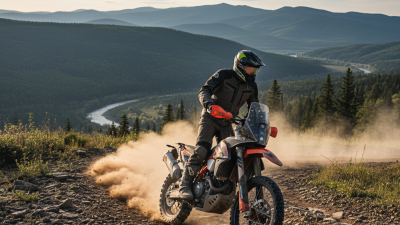
A 2026 trail motorcycle should feel controlled when the road disappears. Its suspension needs enough travel for rocks, roots, and broken pavement. Ground clearance matters too, especially when a loaded skid plate meets a sharp ledge. A narrow seat and manageable wet weight help riders balance at walking speed. These details matter more than headline horsepower.
Modern traction control can reduce wheelspin on loose climbs, while switchable engine modes improve control on wet clay. Anti-lock braking is also valuable for mixed routes. An IIHS analysis found motorcycles with ABS had a 22% lower fatal-crash involvement rate. NHTSA reported 6,084 motorcyclist deaths in the United States during 2022. Those figures describe road use, not remote trails, but they still support careful braking technology. Global buyers should check regional equipment rules and service support before purchasing.
Tips: Test the motorcycle standing on the pegs. Your knees should grip the tank without strain. Check spoke tension, air-filter access, radiator protection, and fuel range. A quick fuel stop is useful; an awkward filter change is not. Reports cannot measure every trail. Personal fit still decides more than specifications. I would not trust claimed range without testing it with luggage, wind, and steep terrain.
| Trail Motorcycle Profile | Best Use | Engine | Cooling & Fuel System | Approx. Power | Wet Weight | Seat Height | Fuel Capacity | Wheel Configuration | Suspension Travel | Key 2026 Features |
|---|---|---|---|---|---|---|---|---|---|---|
| Lightweight 125 Trail | Urban riding, farm tracks and beginner-friendly trails | 124–125 cc, single-cylinder, four-stroke | Air-cooled; electronic fuel injection | Approximately 10–12 hp | Approximately 118–130 kg | Approximately 830–880 mm | Approximately 7–9 litres | 21-inch front / 18-inch rear | Approximately 180–220 mm front and rear | Low running costs, simple controls, manageable weight, fuel-efficient engine and widely available basic service parts |
| Accessible 250 Trail | Mixed road and off-road touring for new and intermediate riders | 230–250 cc, single-cylinder, four-stroke | Air- or liquid-cooled; electronic fuel injection | Approximately 20–25 hp | Approximately 135–150 kg | Approximately 850–890 mm | Approximately 9–12 litres | 21-inch front / 18-inch rear | Approximately 210–250 mm front and rear | Balanced torque, six-speed transmission, rear luggage compatibility, protective engine hardware and moderate highway capability |
| Versatile 300 Trail | Daily commuting, gravel roads and extended weekend trips | 286–300 cc, single-cylinder, four-stroke | Liquid-cooled; electronic fuel injection | Approximately 25–32 hp | Approximately 140–155 kg | Approximately 875–910 mm | Approximately 10–13 litres | 21-inch front / 18-inch rear | Approximately 220–260 mm front and rear | Strong power-to-weight ratio, six-speed gearbox, improved cooling for hot climates, optional traction management and practical wind protection |
| Performance 450 Trail | Fast off-road travel, competition-style trails and experienced riders | 449–450 cc, single-cylinder, four-stroke | Liquid-cooled; electronic fuel injection | Approximately 40–50 hp | Approximately 145–160 kg | Approximately 930–965 mm | Approximately 8–12 litres | 21-inch front / 18-inch rear | Approximately 280–310 mm front and rear | High ground clearance, adjustable long-travel suspension, selectable engine maps, strong braking hardware and advanced off-road traction control |
| 650 Adventure Trail | Long-distance travel, paved highways and remote gravel routes | 645–660 cc, single-cylinder or parallel-twin, four-stroke | Liquid-cooled; electronic fuel injection | Approximately 45–75 hp | Approximately 185–215 kg | Approximately 830–890 mm | Approximately 15–21 litres | 19- or 21-inch front / 17- or 18-inch rear | Approximately 190–230 mm front and rear | Highway stability, larger fuel range, dual-channel ABS with off-road mode, luggage mounting points and improved wind protection |
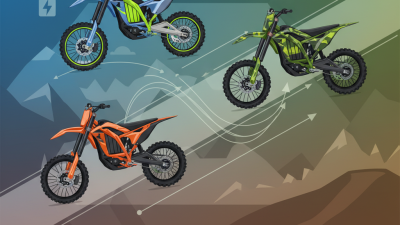
| Electric Trail Motorcycle | Short-distance trails, urban mobility and low-noise riding areas | Mid-mounted electric motor | Rechargeable lithium-ion battery; liquid- or air-cooled system | Approximately 15–40 hp equivalent | Approximately 105–155 kg | Approximately 820–930 mm | Battery capacity of approximately 5–15 kWh | 21-inch front / 18-inch rear or 19-inch front / 17-inch rear | Approximately 200–280 mm front and rear | Near-silent operation, instant torque, selectable ride modes, regenerative braking and low routine drivetrain maintenance |
Specifications are representative ranges for 2026 trail-motorcycle categories rather than brand-specific claims. Actual figures may vary by market, emissions requirements, equipment level, battery configuration and homologation package.
2026 Best Trail Motorcycles for Global Buyers
Top 2026 trail motorcycles should match riding style and regional conditions. For technical singletrack, choose a light machine with narrow bodywork, manageable seat height, and strong low-speed control. Mixed-terrain riders need balanced suspension, protective equipment, and enough fuel for remote sections. Long-distance trail touring favors wind protection, luggage capacity, and stable handling.
Regional demand changes the best choice. Statista’s 2024 Motorcycle Market Outlook estimates that Asia-Pacific generates more than half of global motorcycle revenue. Dense traffic and smaller trails often reward compact, efficient trail motorcycles there. In North America, longer distances make larger fuel capacity and highway comfort more valuable. Europe demands careful attention to wet grip, emissions rules, and restricted rural access. Australia adds heat, dust, and scarce fuel stops. A specification sheet cannot fully predict these conditions.
Tips: Test the standing position before buying. Your knees should stay relaxed, and your hands should not carry your weight. Check local noise, registration, and trail-access rules with an authorized riding organization. The Motorcycle Industry Council’s recent U.S. statistics report records millions of motorcycle households, but ownership numbers do not measure trail skill. I still overestimate my endurance on rocky climbs. That mistake makes suspension setup, hydration, and training more important than a few extra horsepower. Carry tire repair tools, but practice using them before traveling.
Typical trail-motorcycle displacement classes by riding style and region
The chart uses common engine-displacement classes found in current global trail-motorcycle markets: lightweight models around 125–250cc, midweight models around 300–500cc, and long-distance adventure trail models around 650–900cc. Regional figures represent typical class midpoints rather than brand-specific sales data.
Choosing a trail motorcycle in 2026 requires more than comparing engine size.
Global riders face heat, altitude, rough roads, and different service networks. A balanced engine should deliver predictable torque at low speeds, not just impressive peak power. Fuel injection helps control response, while manageable compression reduces fatigue during long, remote rides.
Suspension quality becomes obvious on broken ground.
Adjustable front and rear units let riders adapt damping to luggage, passengers, and changing surfaces. Sufficient travel helps absorb rocks, but excessive height can reduce confidence during slow maneuvers. I have found that stable steering matters more than dramatic suspension numbers. Still, setup errors are common. Even an advanced system performs poorly when sag and rebound are ignored.
Safety technology should support judgment, not replace it.
Cornering-sensitive braking, traction control, and selectable riding modes can improve control on wet gravel. They may also distract inexperienced riders if their purpose is unclear. Strong lighting, a clear display, hand protection, and reliable engine protection deserve equal attention. Connectivity can provide navigation and maintenance reminders, but signal loss remains a real concern. Carry a simple map. Electronic systems need regular updates and secure wiring, especially after repeated vibration, dust, and water exposure. A careful test ride should include standing posture, brake feel, heat management, and low-speed balance.
Choosing a trail motorcycle for worldwide use requires more than comparing engine size. Start with your riding environment, travel distance, luggage needs, and local road rules. A manageable seat height helps on rocky paths and crowded streets. Fit matters.
For an overseas purchase, verify the frame number, ownership documents, service history, and import eligibility before paying. Ask the seller for clear photographs and a cold-start video. My first buying checklist was too optimistic; I underestimated shipping delays and document translations. Confirm customs charges, safety certification, emissions standards, and registration requirements with the destination authority. Some countries require an inspection before issuing plates. Others may reject motorcycles lacking approved lighting or noise equipment. Keep every invoice.
Registration usually needs proof of identity, insurance, customs clearance, and a valid sale contract. Requirements can change between provinces and neighboring countries, so official government portals remain the safest reference. Avoid informal shortcuts. A small paperwork error can delay riding for weeks.
Maintenance becomes more important when traveling far from familiar workshops. Choose a model with accessible filters, durable suspension components, and replacement parts available across your route. Carry basic tools, spare levers, tubes, fuses, and a printed service schedule. Check chain tension, tire condition, brake fluid, and spoke tightness before each long ride. Clean mud from cooling areas after wet trails. Keep digital and paper records. They prove care during resale and help technicians understand previous work. Perfect preparation is impossible. Regular inspection is not.